Park's Land 37-The Dissolution of the Hero
2024 Oil on canvas 162.2 x 130.3 cm
Provenance
Artist Collection, 2026
Exhibitions
2024-2025《Myth: The Beginning Story》, Museum1, Busan
About The Work
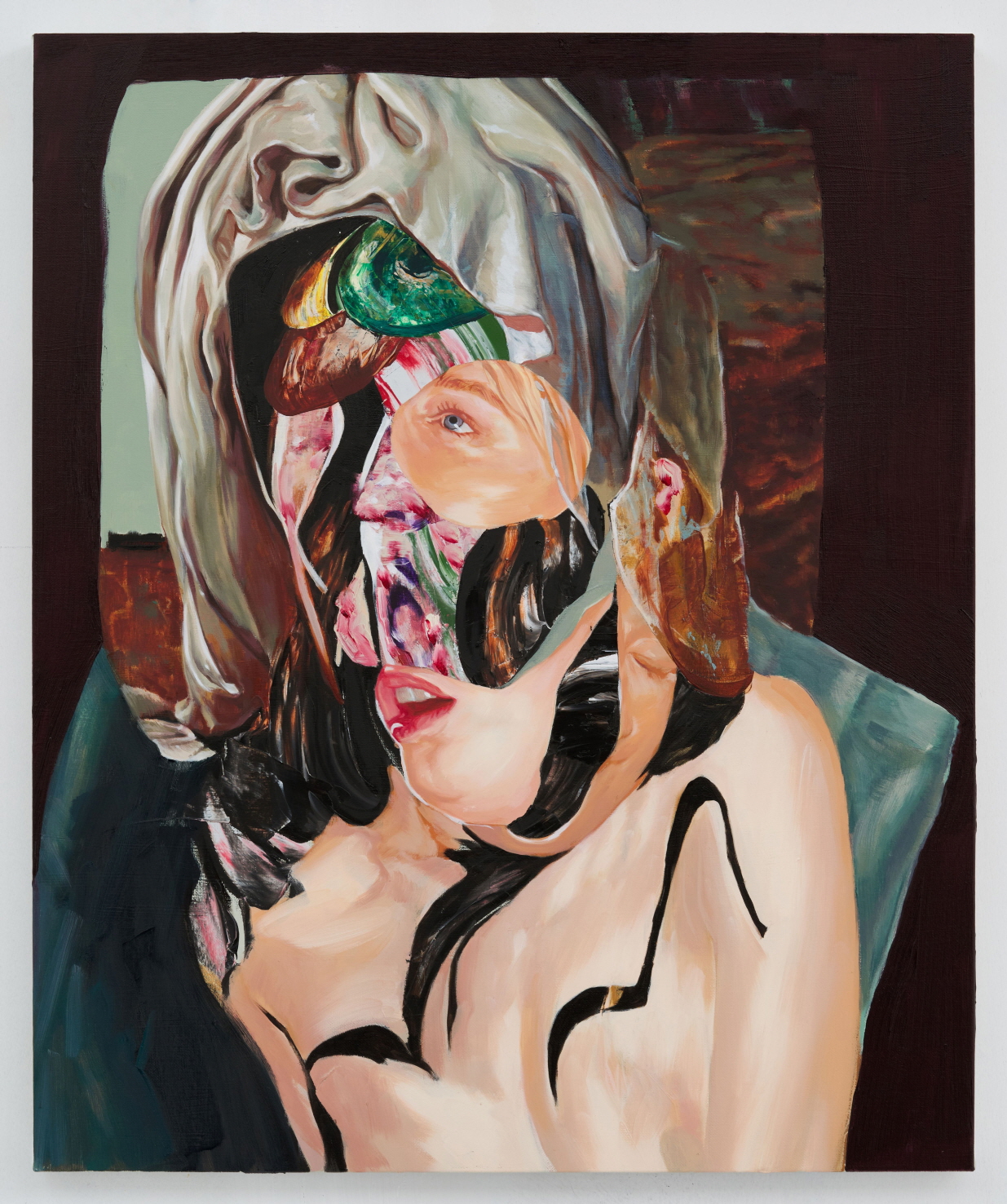
This work draws its motif from the episode “Metamorphoses – The Calydonian Boar Hunt” by Ovid. As Part 3 of this series, Park’s Land 37 narrates the hunting process of the heroes, focusing on the horrific consequences of the boar hunt.
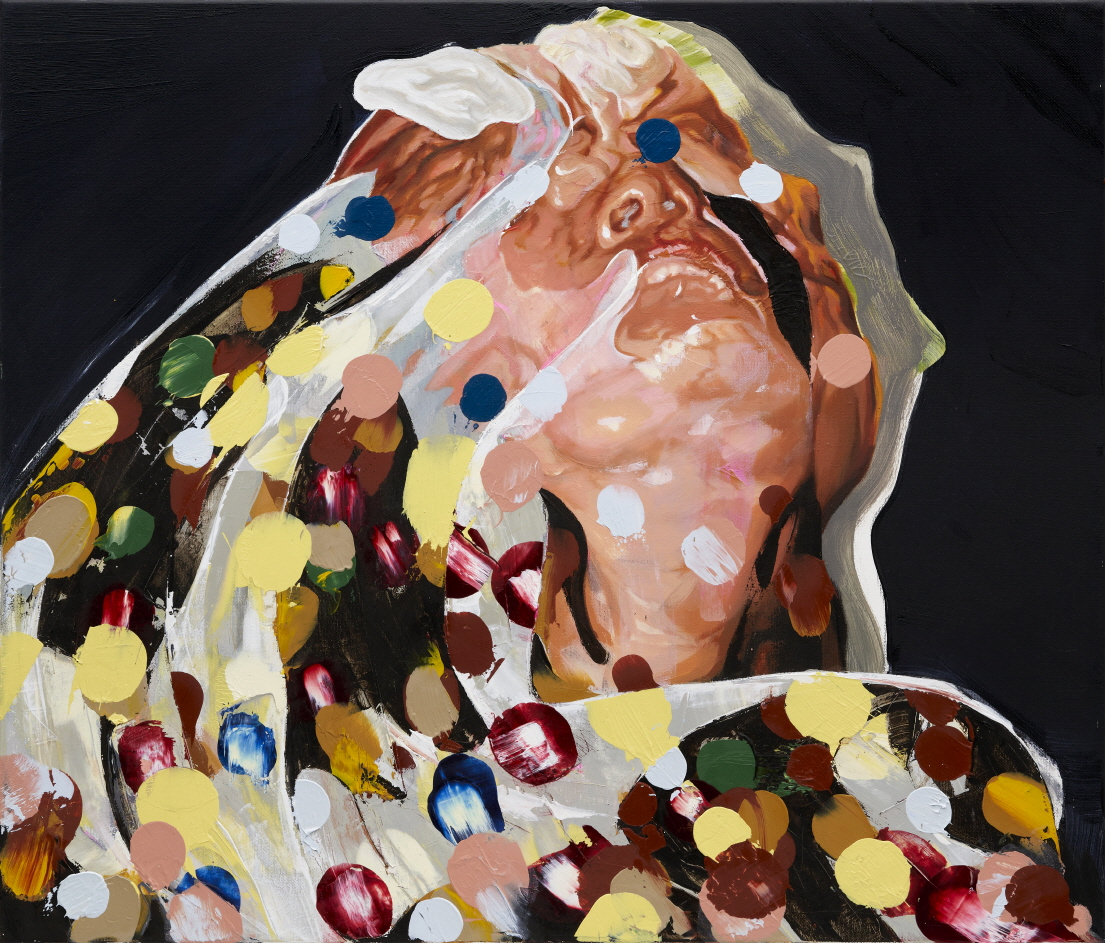
Rather than reenacting a heroic scene of the hunt, this work concentrates on the traces of destruction and disintegration revealed throughout the process. The remnants of violence left in the aftermath of the hunt expose the cruelty and catastrophic dimensions inherent in heroic myth, and the figures that exist within this context no longer retain a singular identity.
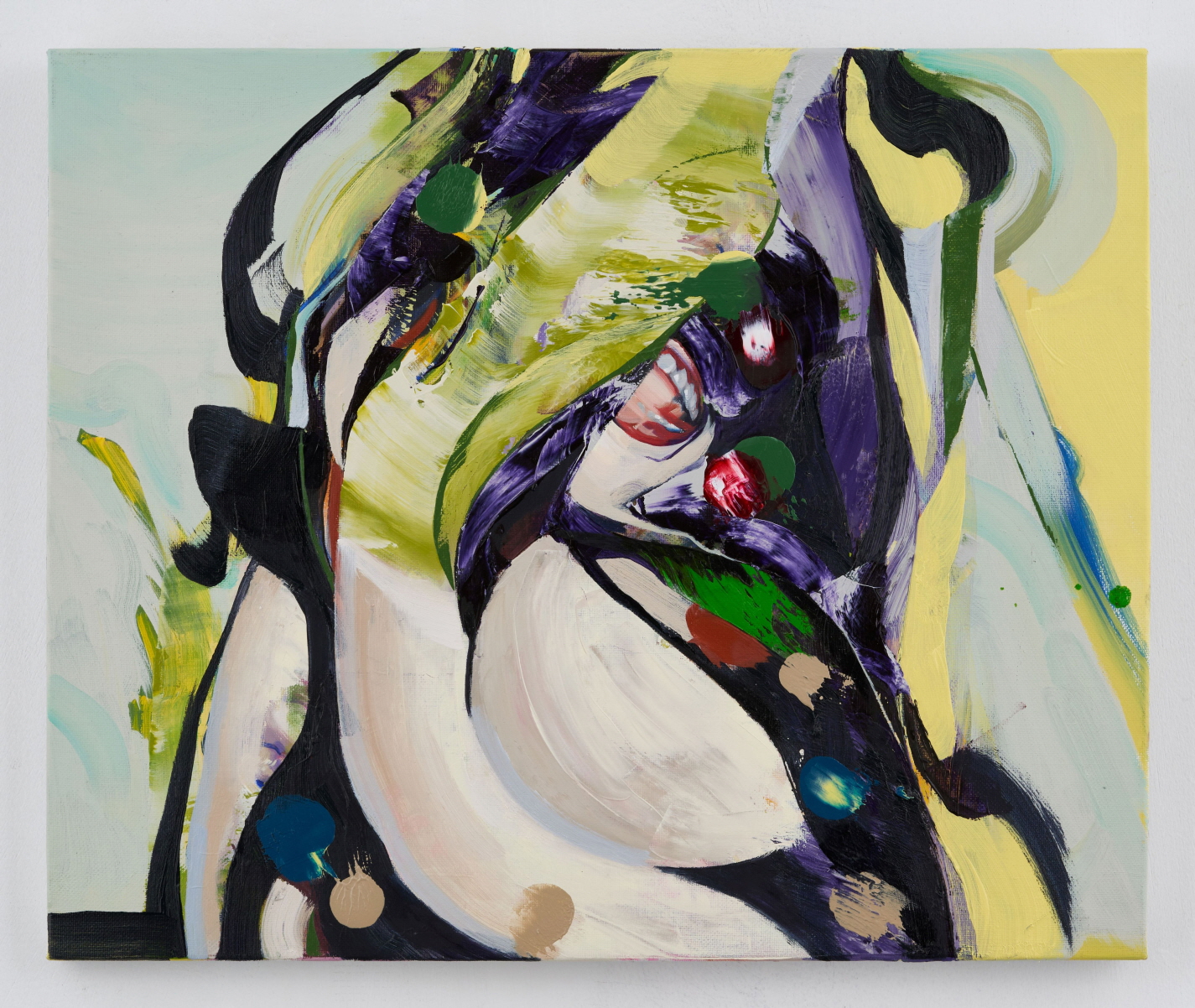
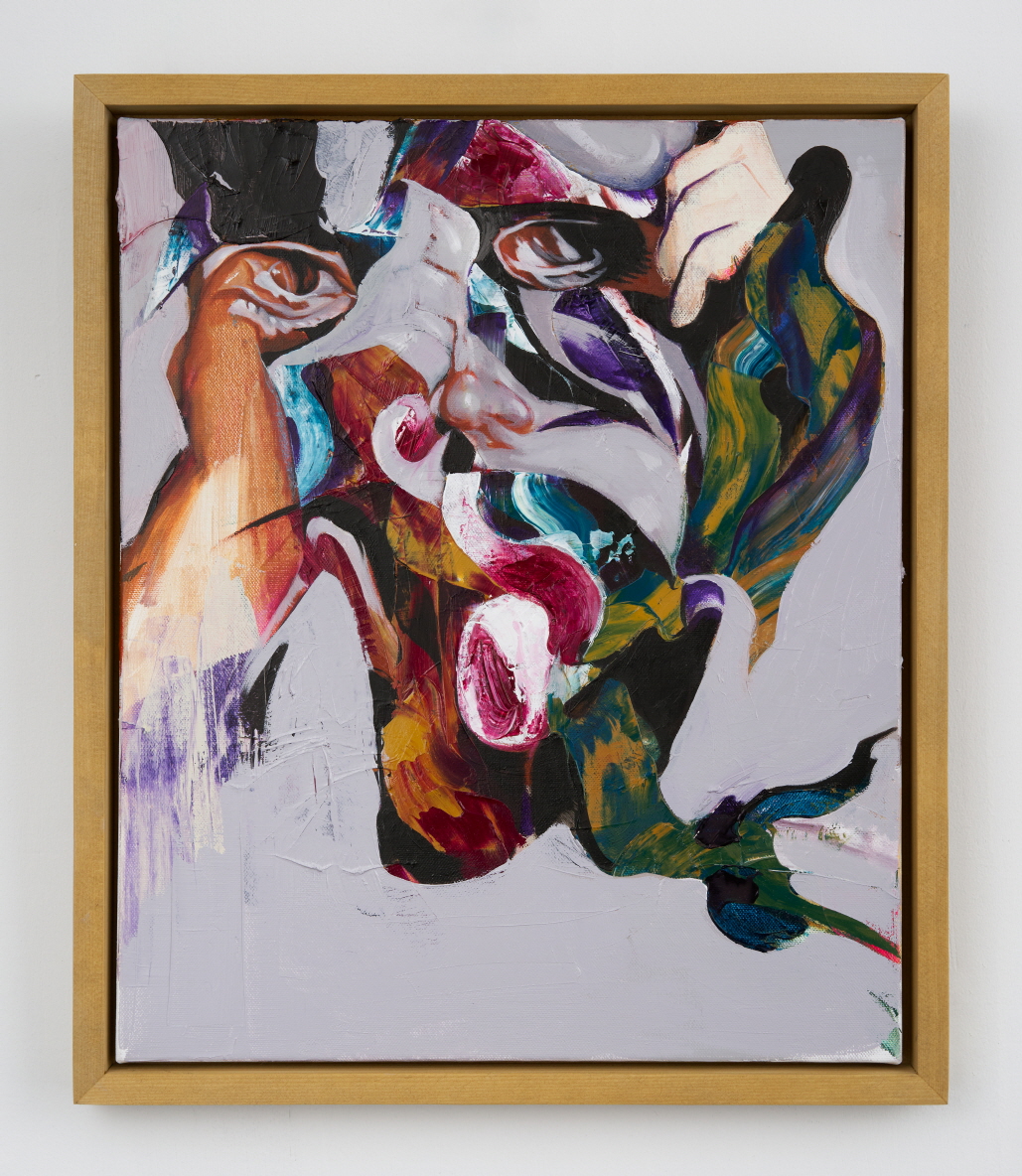
The bodies of monsters and heroes layered across the pictorial field form images of fragmented selves, resembling contemporary alter egos or avatars. Identity is no longer understood as a fixed essence, but as a virtual existence that explores new possibilities through processes of disassembly and recombination.
Through this process of transformation, the work seeks to reveal that mythological figures do not simply perform a singular narrative of the ‘hero’, but are instead placed within a continual process of disintegration and transformation into other beings. As a result, transformation in this work does not remain as the endpoint of destruction, but persists as one state within a process of transition toward new forms of existence.
Park Jung Hyuk’s third painting series, ‘Park’s Land’, unfolds around the idea of “transformation.” When beginning this body of work, the artist was interested in exploring a sense of possibility, and transformation became the theme through which that notion could be articulated. Here, transformation does not refer to a simple shift from A to B, as in familiar mythic or cinematic narratives.
Instead, it encompasses a broader spectrum of states—what something could become, how roles shift according to circumstance, and the latent conditions inherent within a subject.
Figures and forms in the paintings appear structurally dismantled, blurred, or distorted through layered brushwork. These visual disruptions are less about depicting physical change and more about revealing multiple potential states at once.
Ultimately, ‘Park’s Land’ considers the conditions that allow transformation to occur rather than the moment of change itself. Through overlapping imagery and fluid gestures, the series presents a world defined not by what is changing, but by what can change—an expanded terrain for the artist’s ongoing exploration of painterly imagination.