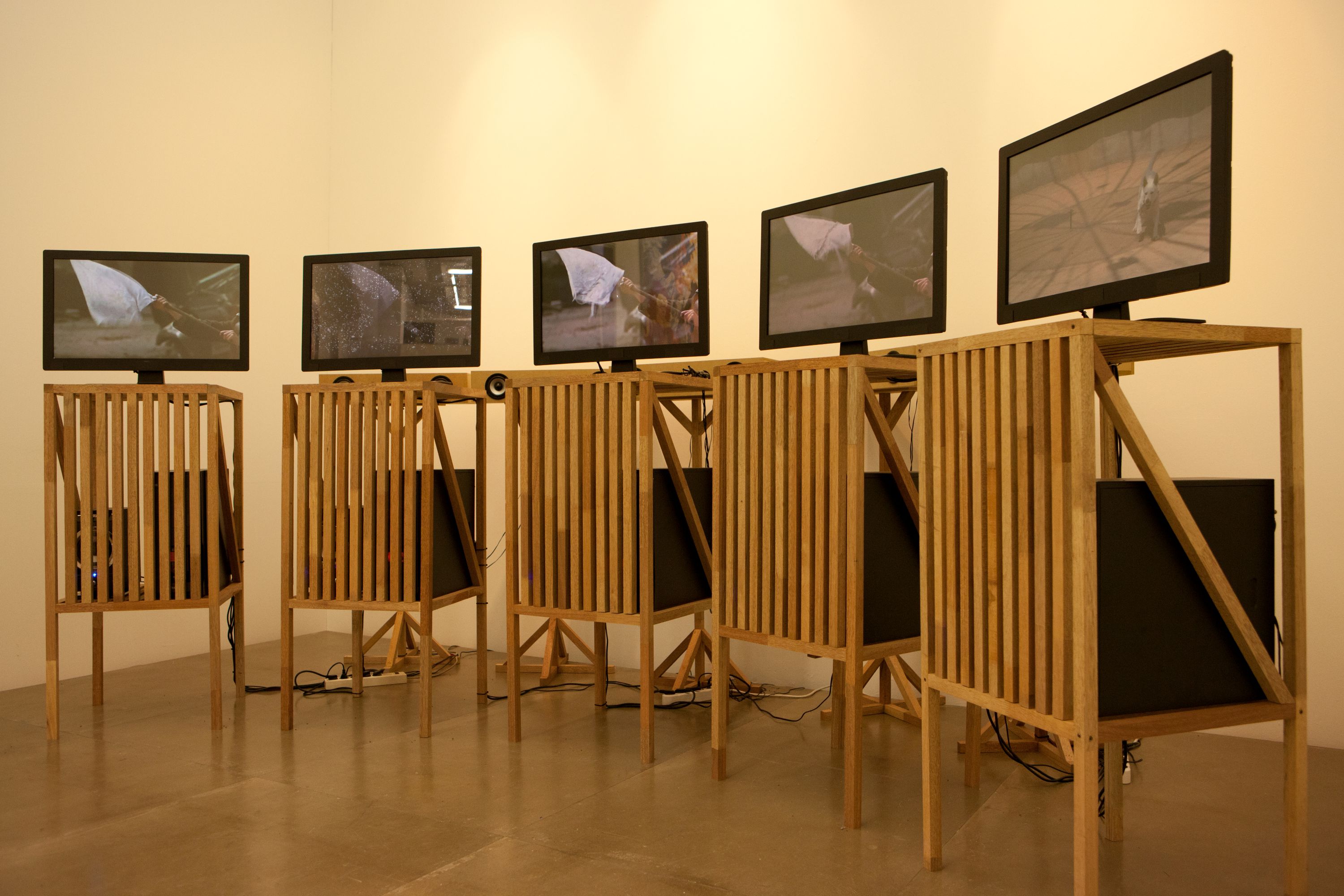
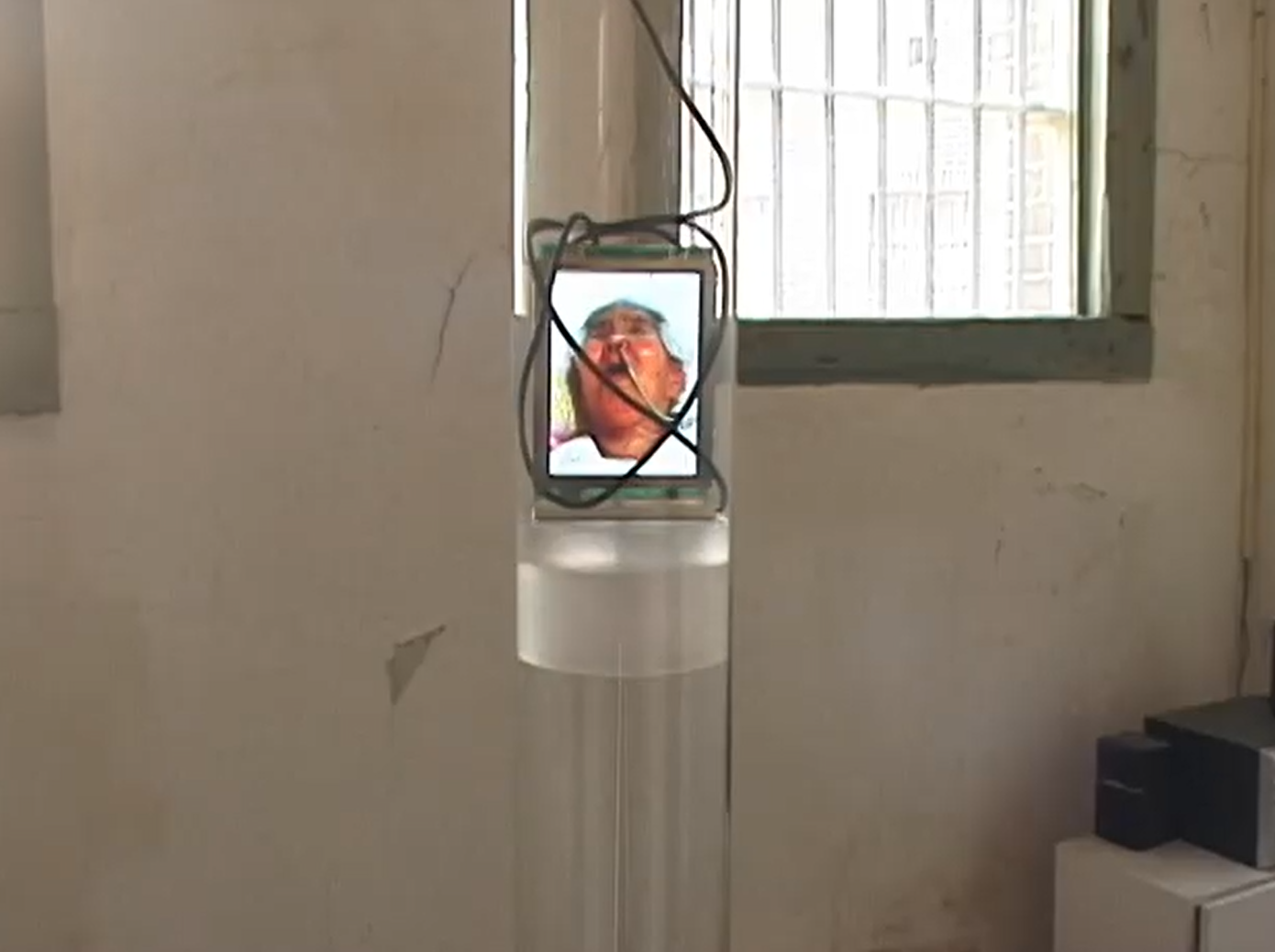
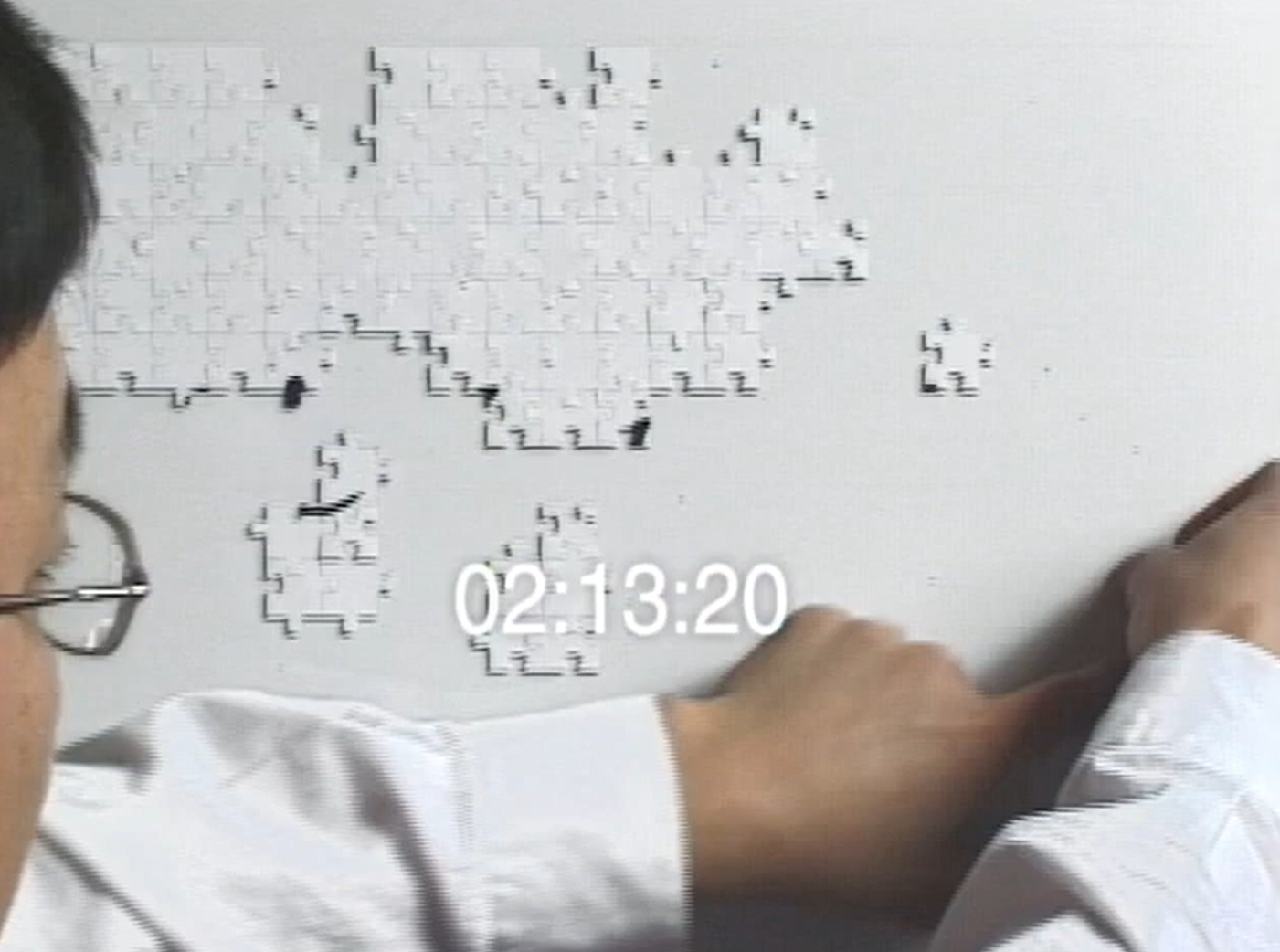
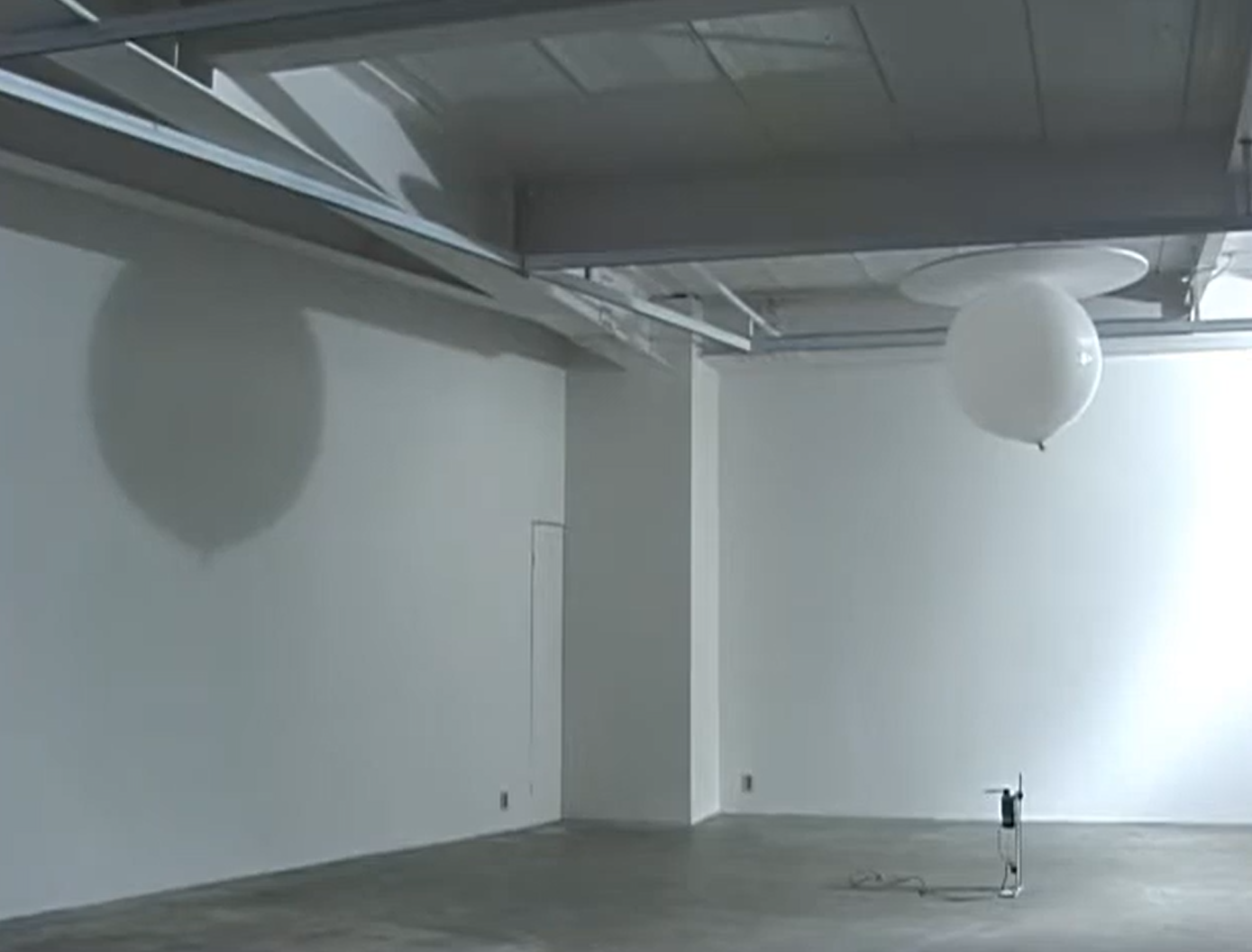
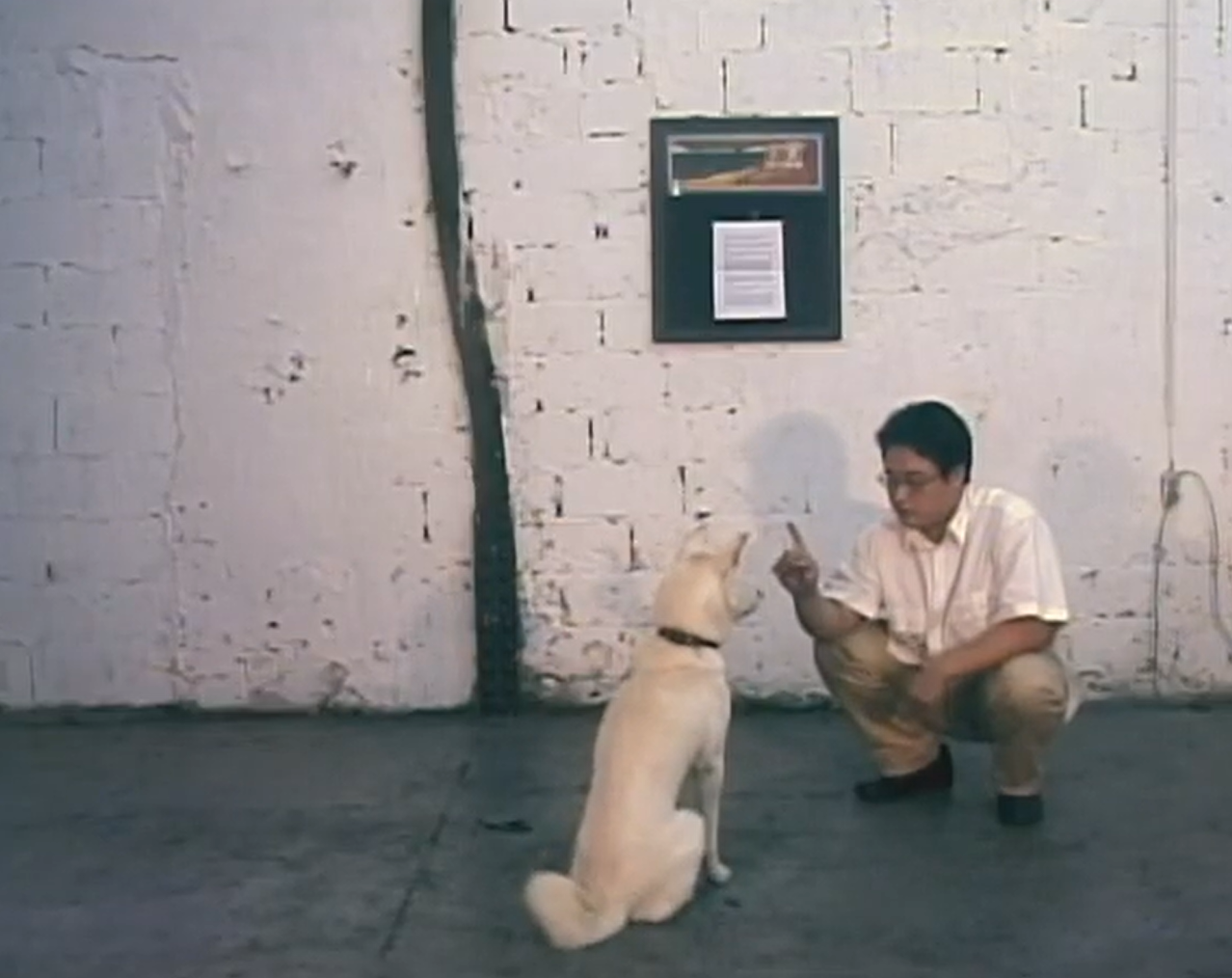
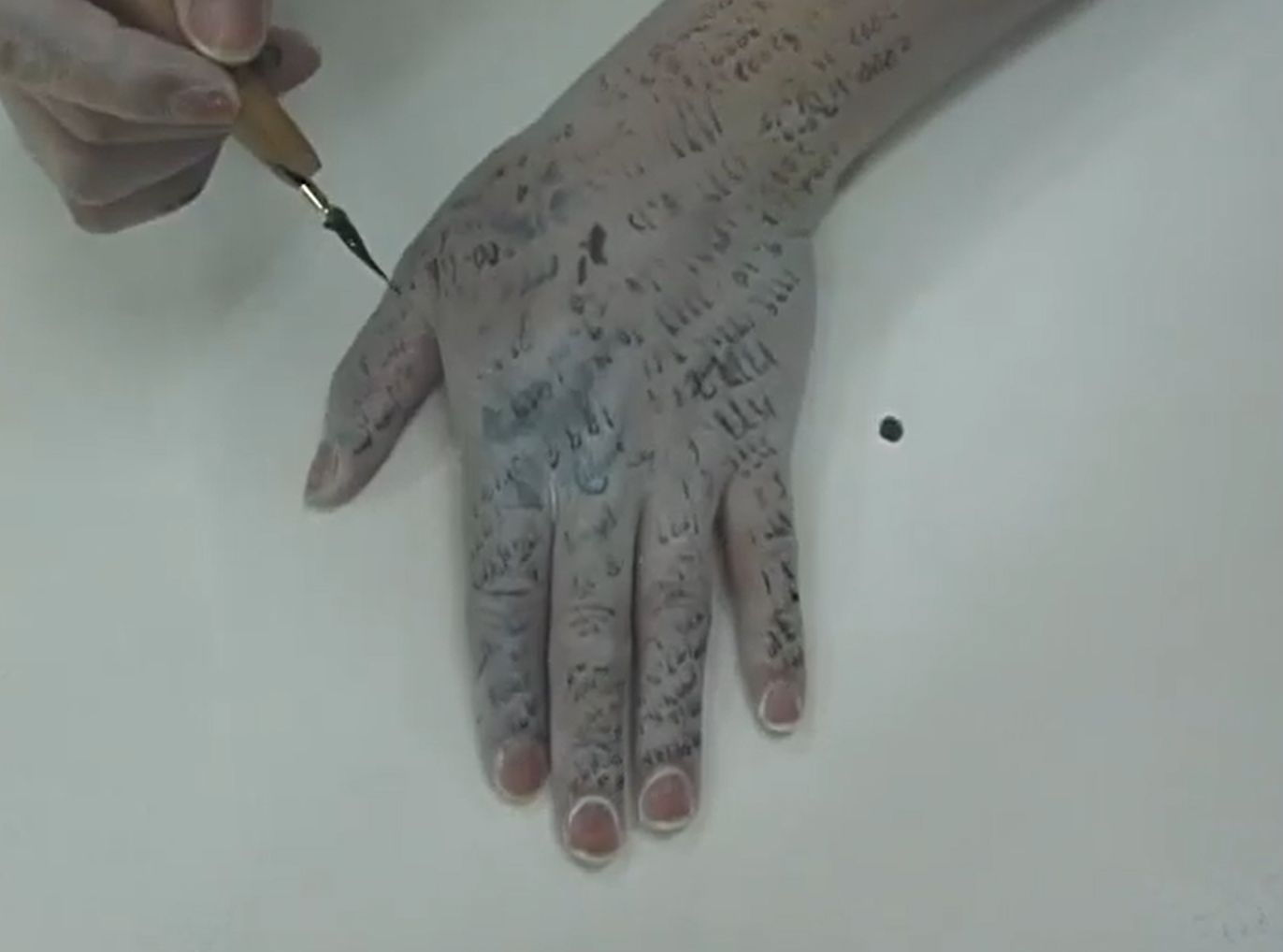
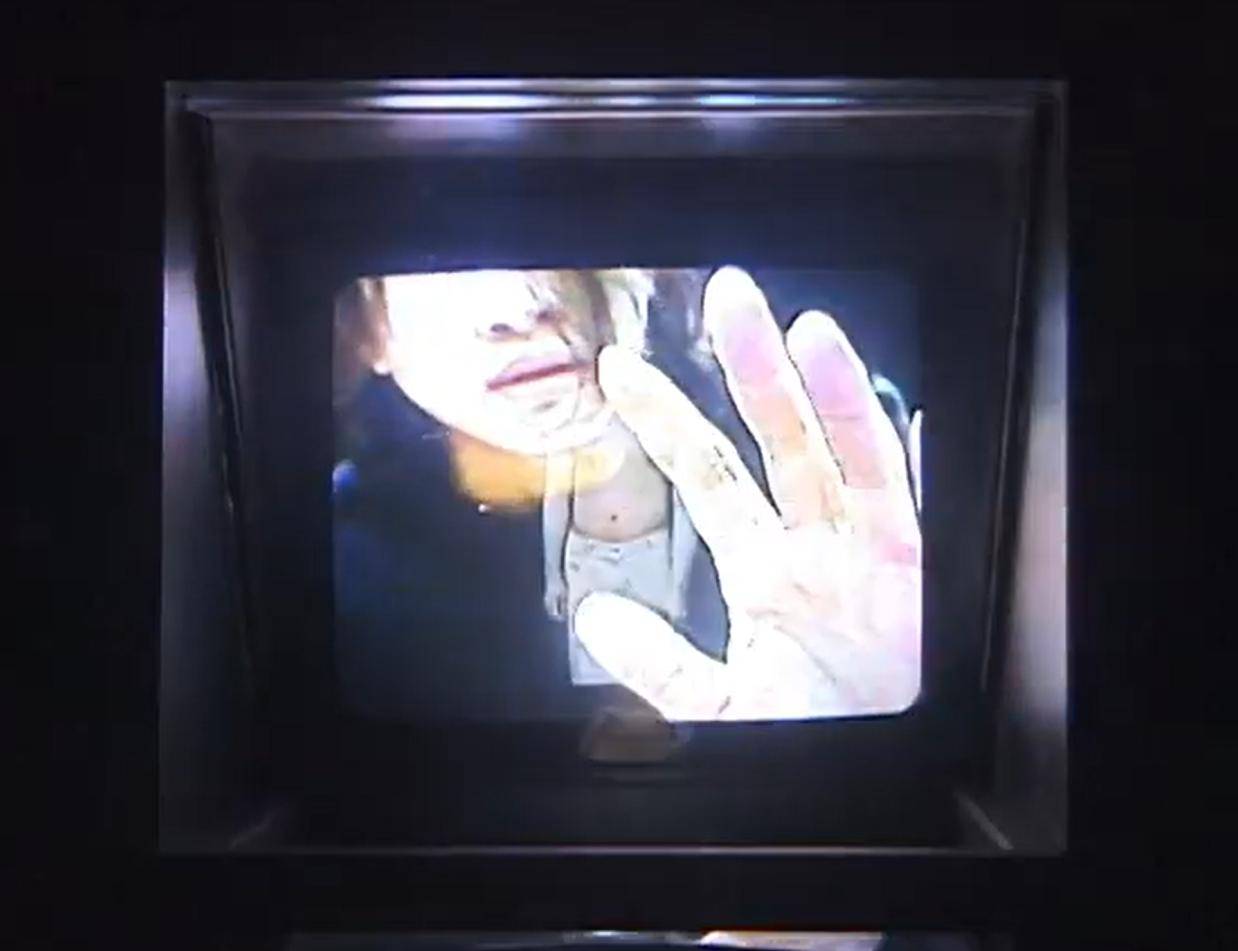
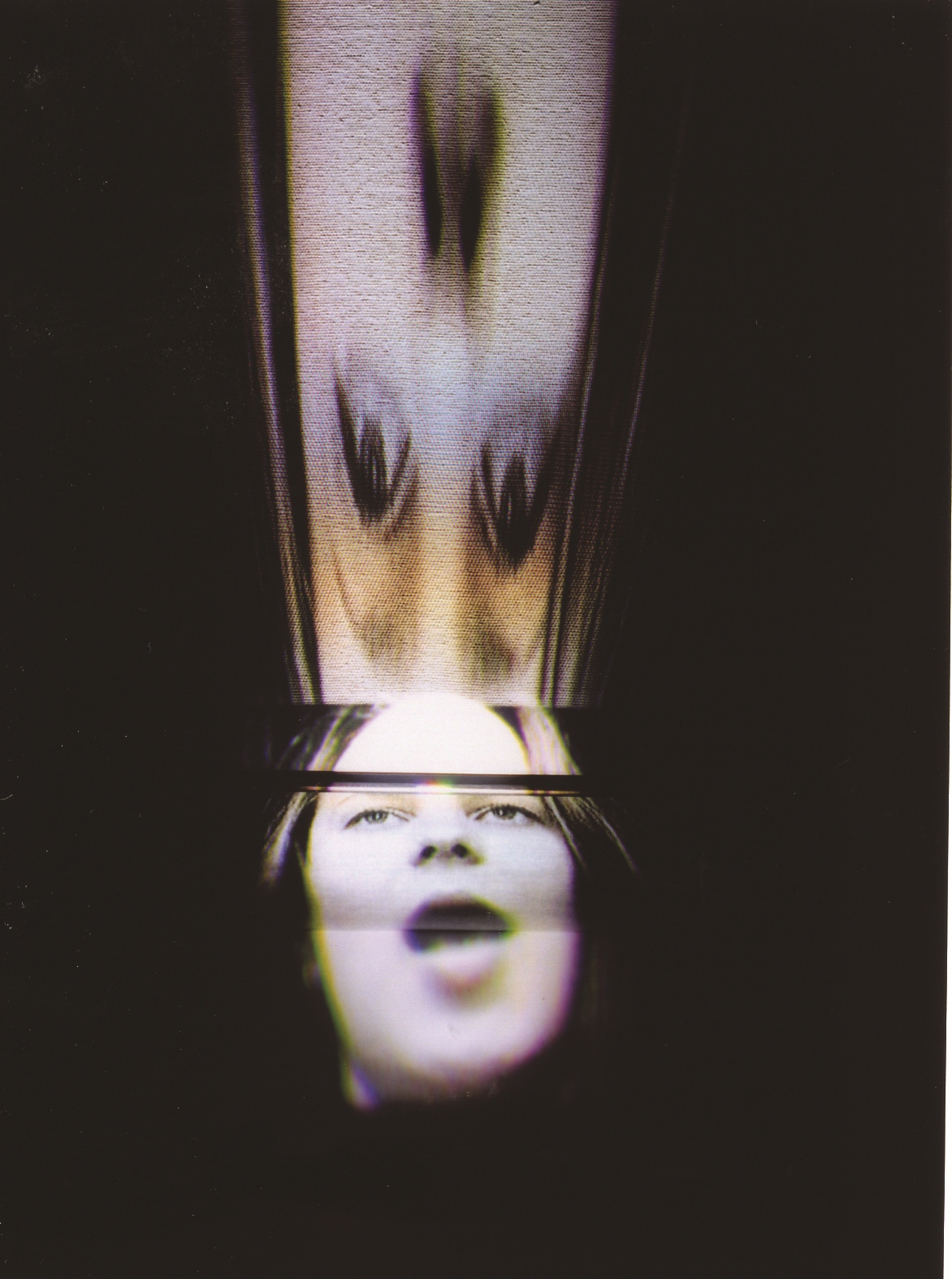
Theater Series-3min 54sec
2009 HD video 3min 54sec
Provenance
Seoul Museum of Art, 2009
Exhibitions
2009《Jung-Hyuk Park, Yongbaek Lee, Hoon Cho – IMAGENATION》, Opening Exhibition, Salon de H, Seoul
About The Work
[Collection of the Seoul Museum of Art]
“From observer to participant: are you a bystander to this invisible violence, or its agent?”
This work was first presented in 2009 at the exhibition《Imagination》at Salon de H. It is one of Park Jung Hyuk’s representative media works, included in the Korean contemporary art publication《Korean Eye: Fantastic Ordinary》launched by the Saatchi Gallery, and introduced internationally at the Bains Numériques in France.
■ The reversal of perspective: summoning the viewer onto the stage
The video initially follows, from a third-person perspective, the resistant gestures of a figure dressed as a salaried office worker. Here, the “salaryman” symbolizes the standardized modern subject shaped and disciplined by social structures.
Midway through the video, however, the camera abruptly shifts into a first-person perspective. The viewer, who had remained in the position of detached observer, is suddenly placed in confrontation with the on-screen figure and thrust into a subjective position implicated in an unseen violence.
■ Technical apparatus: cross-cutting and temporal segmentation
To grasp the work more deeply, attention must be paid to two key strategies of editing: cross-cutting and temporal segmentation.
Cross-cutting and temporal segmentation: in order to translate lingering afterimages in the mind into narrative form, the artist deliberately repeats the concealment and exposure of images.
Camouflage and performance: through the ambiguity of whether the boxing gestures performed by the figure are “truth” or “falsehood,” the viewer becomes immersed in a technologically constructed camouflage, ultimately led to question the very ontology of the medium.
■ Transition toward subjectivity
The crucial question posed by Park Jung Hyuk through this theater series emerges at the very moment when the viewer abandons the attitude of passively consuming the image as an object and instead recognizes oneself as a subject implicated in the scene of violence. It is within that fleeting shift of awareness that the core inquiry of the work resides.

Edge series-Actor Park Kwangil, 2009, C-print, 150 x 130 cm
Edge series – Actor Park Kwangil is a photographic work documenting scenes filmed at the beginning and the end of the video piece Theater Series – 3min 54sec. At both the start and conclusion of filming, I, as the director, presented personal props (a medicine case, an umbrella) and asked the actor to perform the emotion that arose in that precise moment. The photographs capture Actor Park Kwang Il enacting the feelings that surfaced in response.
In the first image, the actor immediately performs an expression of pain upon receiving the medicine case. This was not the result of explicit direction.
Rather, it emerged naturally from the socially constructed definition that associates a medicine case with pain, and from the internalized compulsion — as an actor — to reproduce such conventions. It is a quintessential example of a human behavioral pattern shaped by education and social conditioning. That learned reflex is framed and completed here as a theatrical photographic work.

Edge series-Actor Park Kwangil, 2009, C-print, 150 x 130 cm
However, the second photograph presents a radically different situation. After more than ten hours of filming, the actor received the second object — an umbrella — yet was unable to access or perform any socially coded emotion associated with it. In a state close to collapse, he fell into near-unconsciousness, and that moment was transferred directly into the photographic image.
This resonates with the video work Training, in which disciplined dogs, when suddenly exposed to an unexpected external situation, break from their internalized training. Likewise, this work reveals how any learned system can fracture when confronted with unforeseen circumstances, demonstrating that conditioned responses are never absolute.
– The strategy whereby “process” itself becomes the “work” remains effective here. In order to expose the reality that pure art operates under the influence of capital, I have previously presented every intermediate stage involved in producing a single painting as independent works (photo collage → drawing → painting).
Similarly, the photographic work Edge series – Actor Park Kwangil, which records the beginning and the end of the video Theater Series – 3min 54sec, functions not as a by-product but as an autonomous articulation within the overall structure of production.

Edge series-Actor Park Kwangil, 2009, C-print, each 150 x 130 cm
[Work Introduction]
This photographic series captures the threshold — the Edge — between the beginning and the end of the production process of the video installation Theater Series-3min 54sec. Before and after filming, the artist, acting as director, presented specific props to the actor and asked him to perform, in that very moment, whatever emotion arose in response. The resulting images record two distinctly contrasting psychological states that unfolded under this simple yet revealing condition.
[Artist’s Intention: Disciplined Response vs. Instinctive Deconstruction]
Internalized Discipline (Medicine Case): In the first photograph, Park Kwangil immediately forms an expression of pain upon receiving a medicine case. This reaction was not prompted by detailed instruction.
Rather, it emerged almost automatically from the socially embedded association of “medicine case = pain,” along with the actor’s internalized sense of responsibility to embody such conventions. The image reflects a familiar human tendency: we respond as we have been taught to respond. Framed within a theatrical structure, this learned reflex becomes visible and tangible.
Uncontrollable Truth (Umbrella): The second photograph was taken after more than ten hours of intensive filming. In a state of extreme fatigue, the actor found himself unable to summon any socially coded emotion in response to the umbrella. Instead of performing, he drifted toward near collapse.
This moment echoes the video work Training, in which disciplined dogs, when unexpectedly exposed to an unfamiliar external situation, break from their internalized patterns of obedience. In the same way, this work reveals how conditioned systems can falter when confronted with the unforeseen, exposing the fragile boundary between control and vulnerability.
[Critical Perspective: When Process Becomes the Work Itself]
In Park Jung Hyuk’s practice, “process” is not subordinate to a final result but holds its own independent sovereignty. Just as photographic collages and drawings created in the making of a painting are presented as autonomous works, this photographic documentation of the “Edge” of Theater Series-3min 54sec stands not as a by-product, but as an essential articulation within the overall structure of production. It brings forward fragments of lived reality that the moving image alone cannot fully contain.
Artist’s Note
“We live by automatically performing according to codes implanted by society. The actor who enacts pain before a medicine case is, in many ways, a reflection of ourselves. Yet in moments that escape control, when exhaustion dismantles discipline, we finally set aside the trained self and encounter something raw and unfiltered. These photographs, positioned at the beginning and the end of Theater Series-3min 54sec, are records of the human existential Edge that exists beyond theatrical illusion.”