Park's Land 28
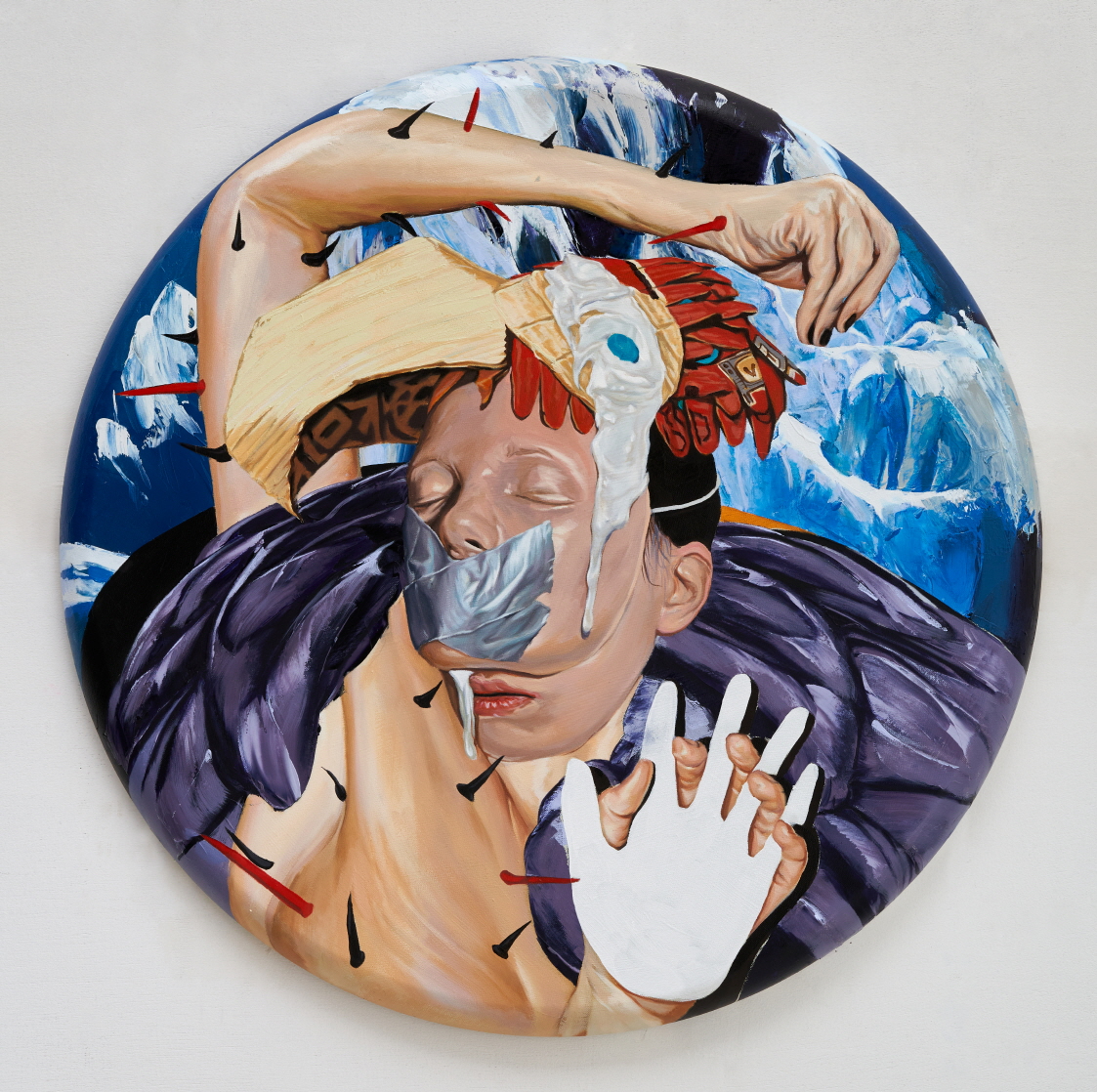
2023 Oil on canvas 60.6 x 50 cm
Provenance
Private Collection, 2026
Exhibitions
2023《When Ero·Gro·Nonsense Combines Nonlinearly》, Arting Gallery, Seoul
About The Work
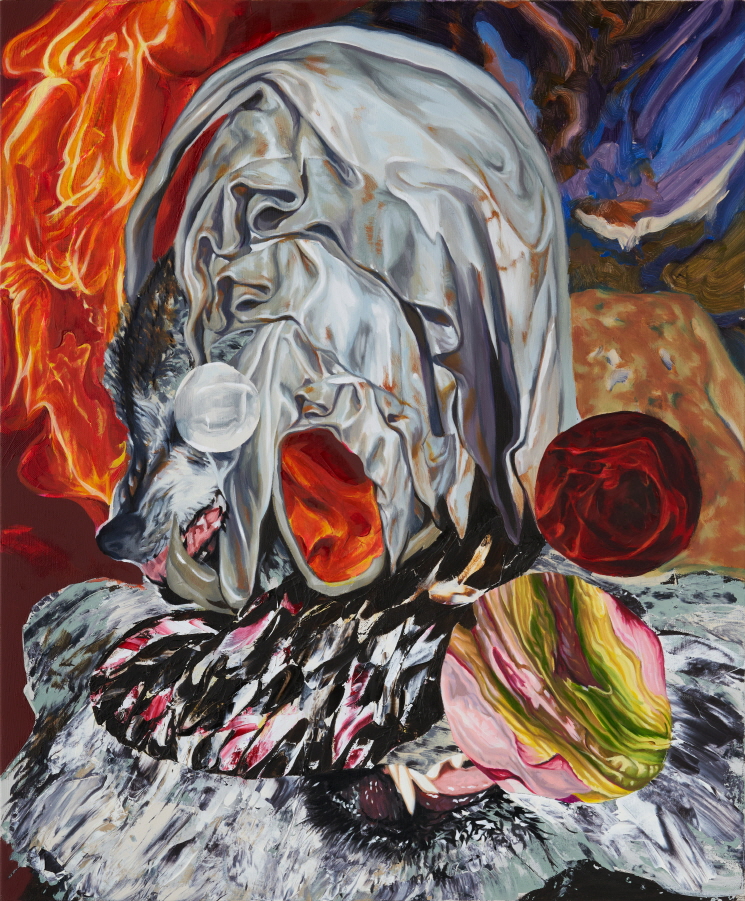
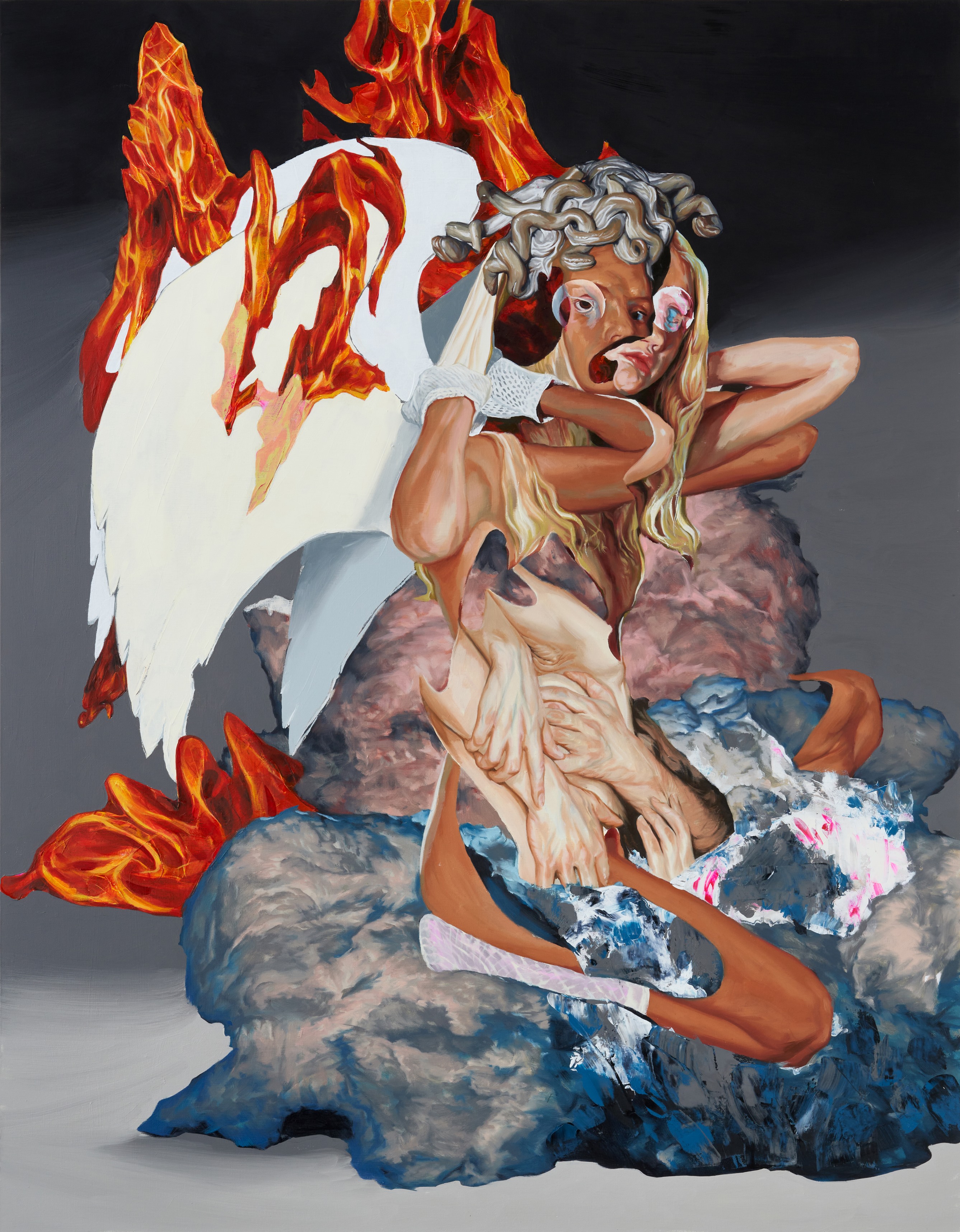
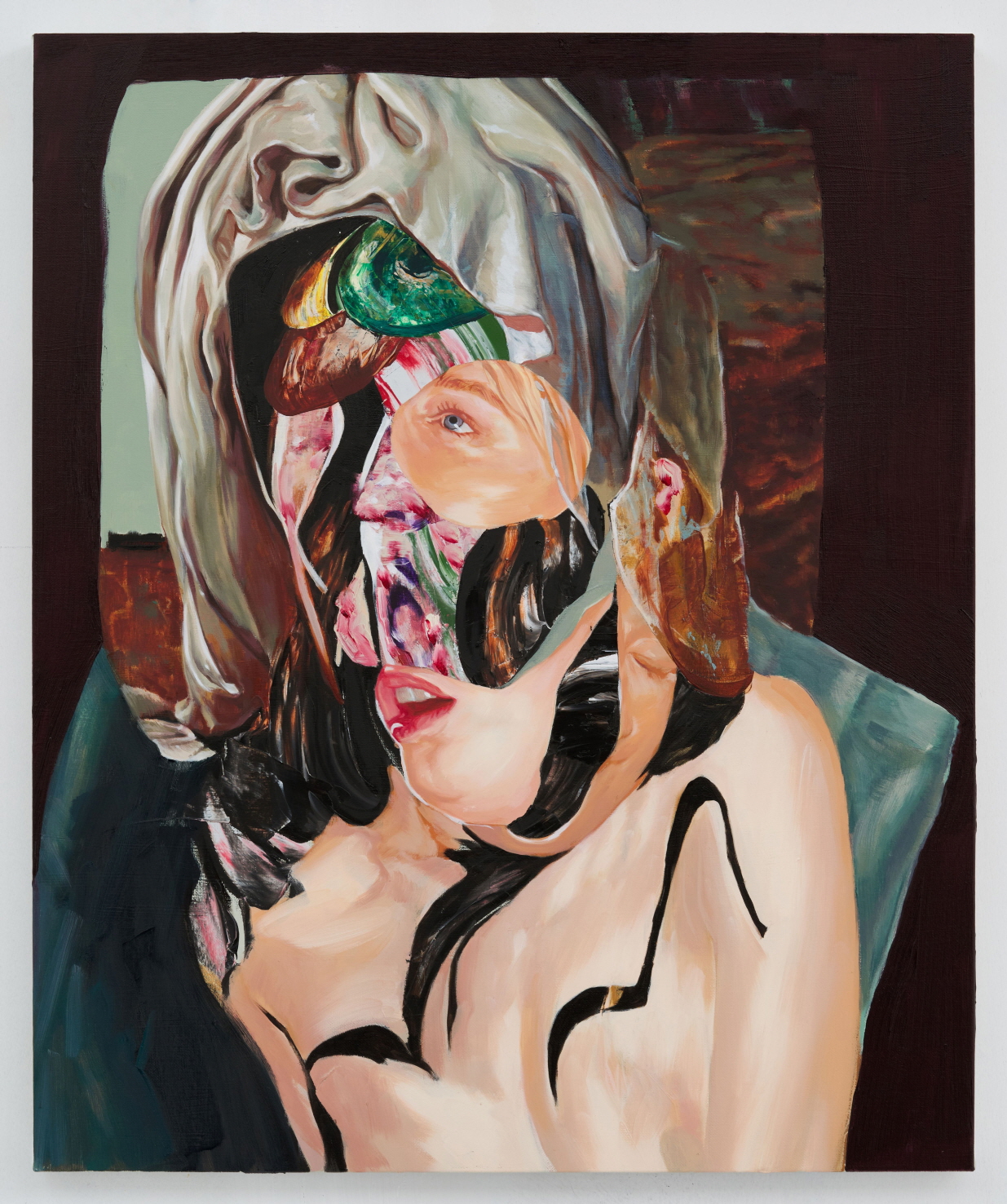
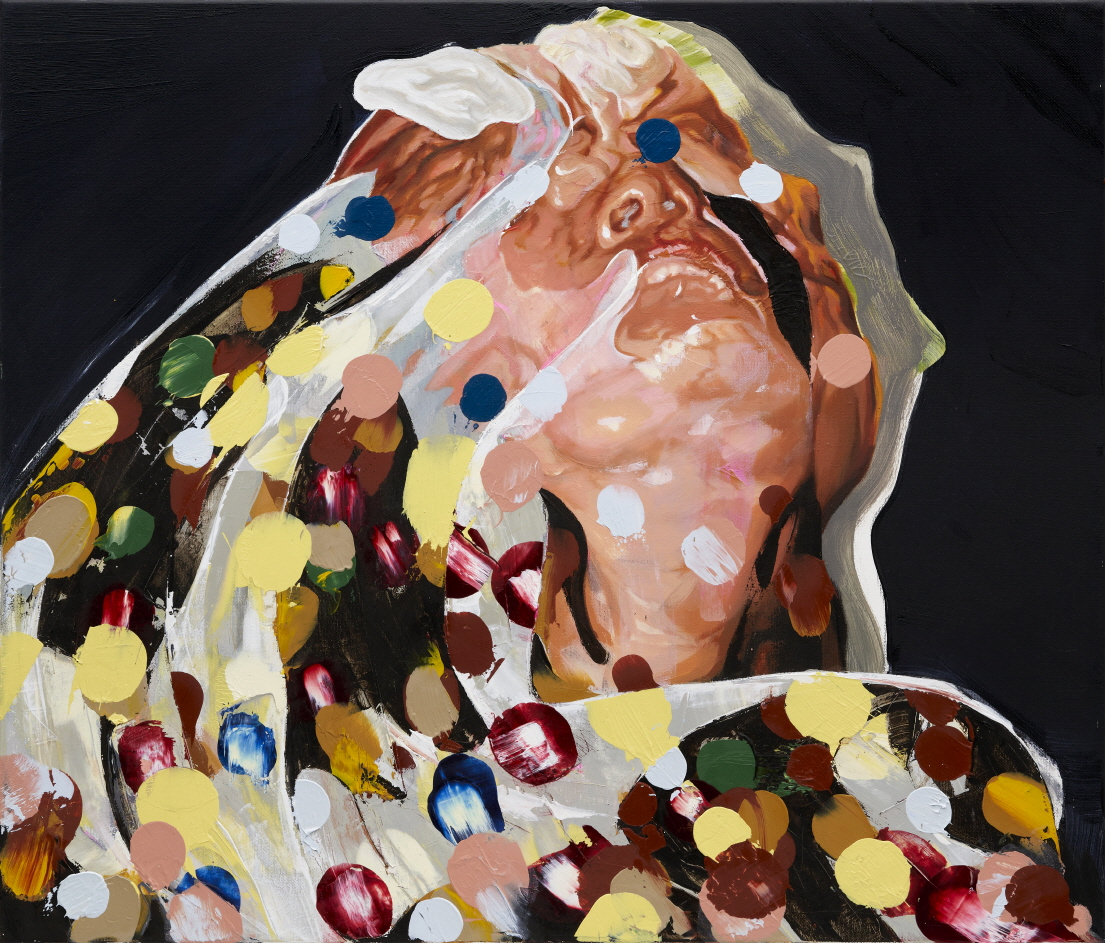
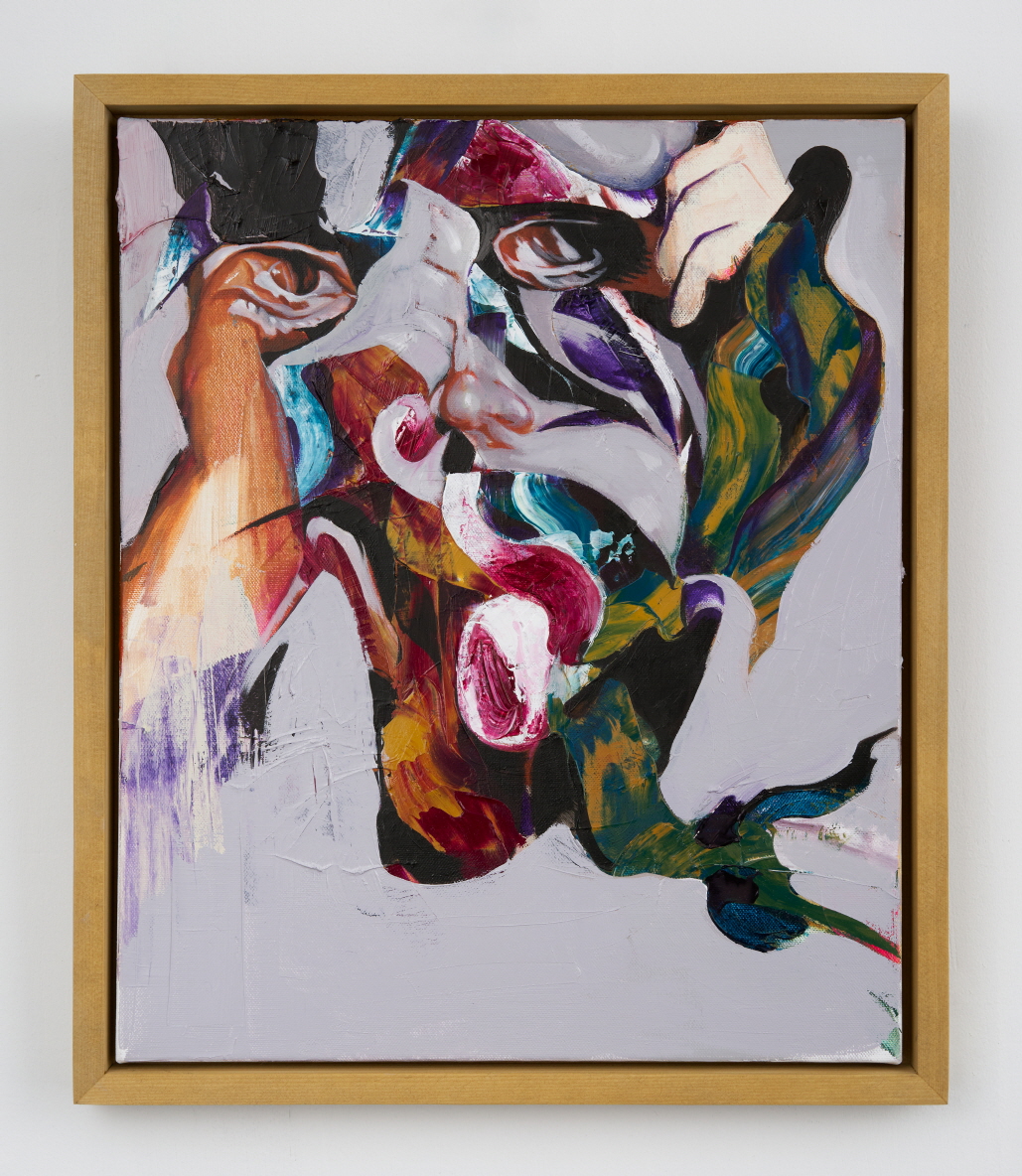
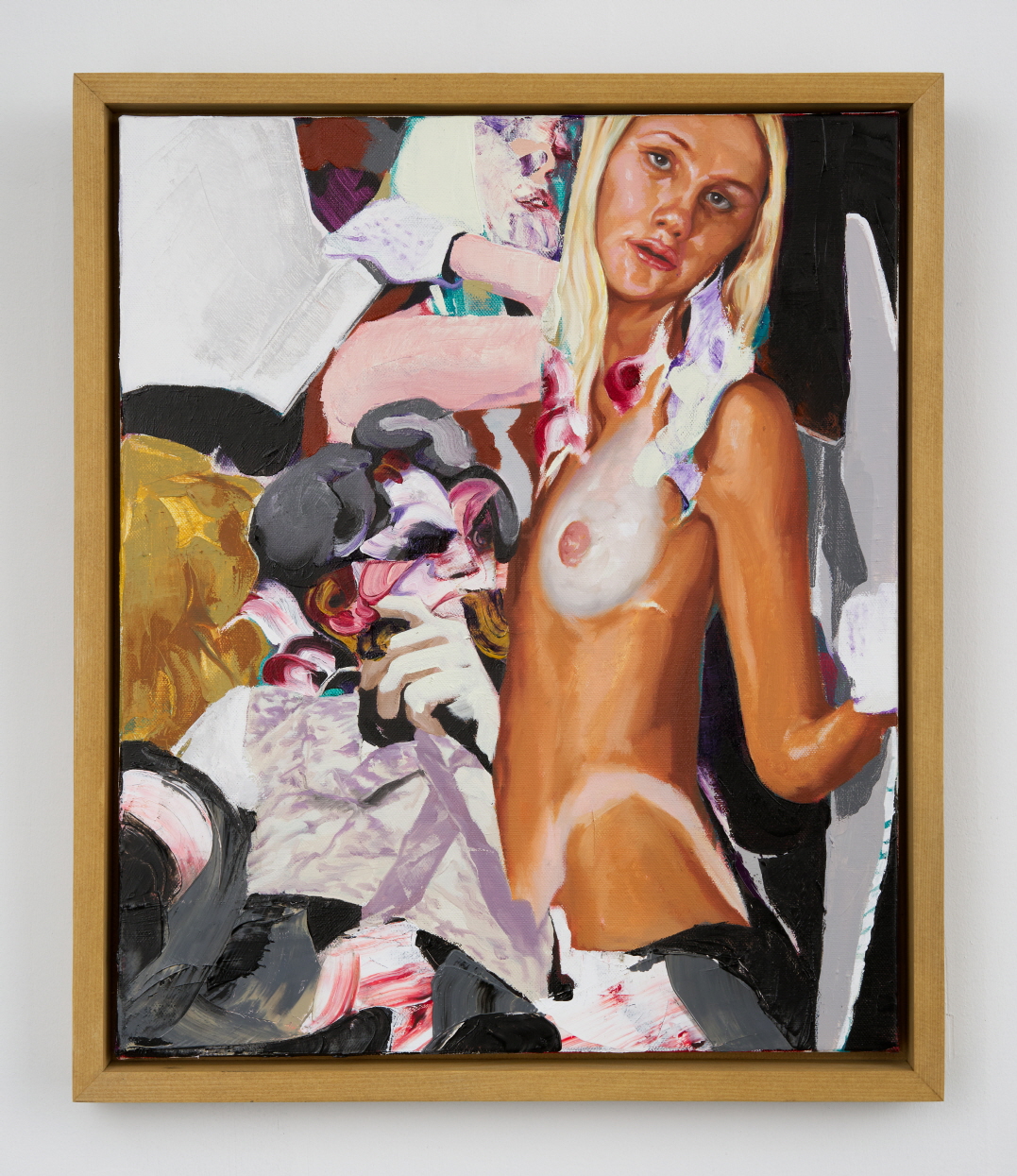
In this work, the intention is to reveal that desire does not exist in a fixed form, but is something that continuously changes according to its state. Although the figure within the pictorial field has its sensory organs responsible for sight and language obscured, desire does not disappear or become suppressed; rather, it is shown to be converted and revealed through other means. The material form of the face, appearing to melt away, does not signify the extinction of desire, but visualizes the moment in which desire is transformed into another substance. Even in a condition where the mouth is sealed, the work constructs a scene in which desire reappears through the hand.
The striped shadows cast across the face indicate a state positioned at the boundary where one desire is converted into another form. Much like in Eric Fischl’s paintings, where the shadows of blinds create stripes across the body to visualize the boundary between exposure and concealment, ethics and transgression, the shadows in this work signify a liminal zone in which desire shifts, transforms, and takes on a different configuration.
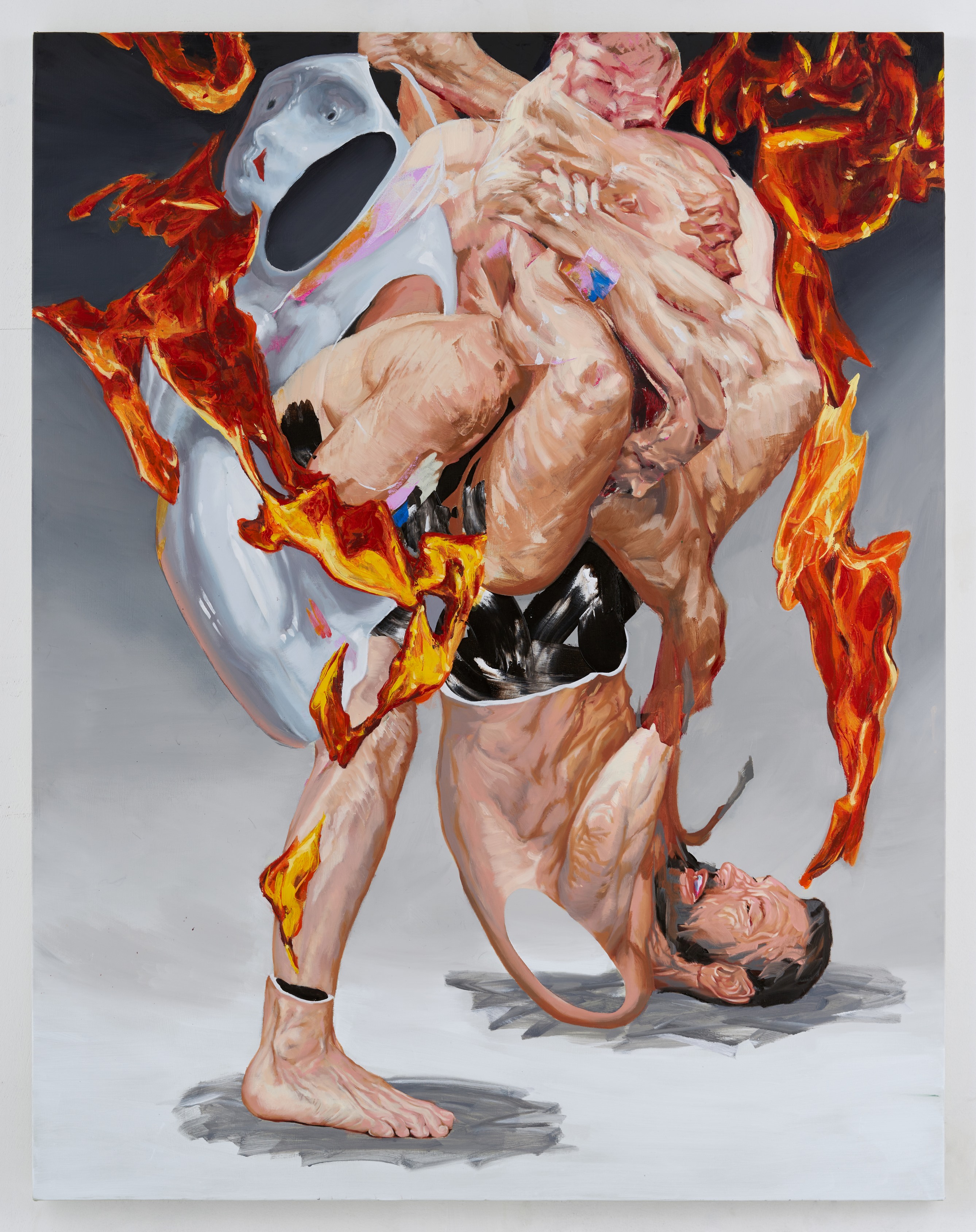
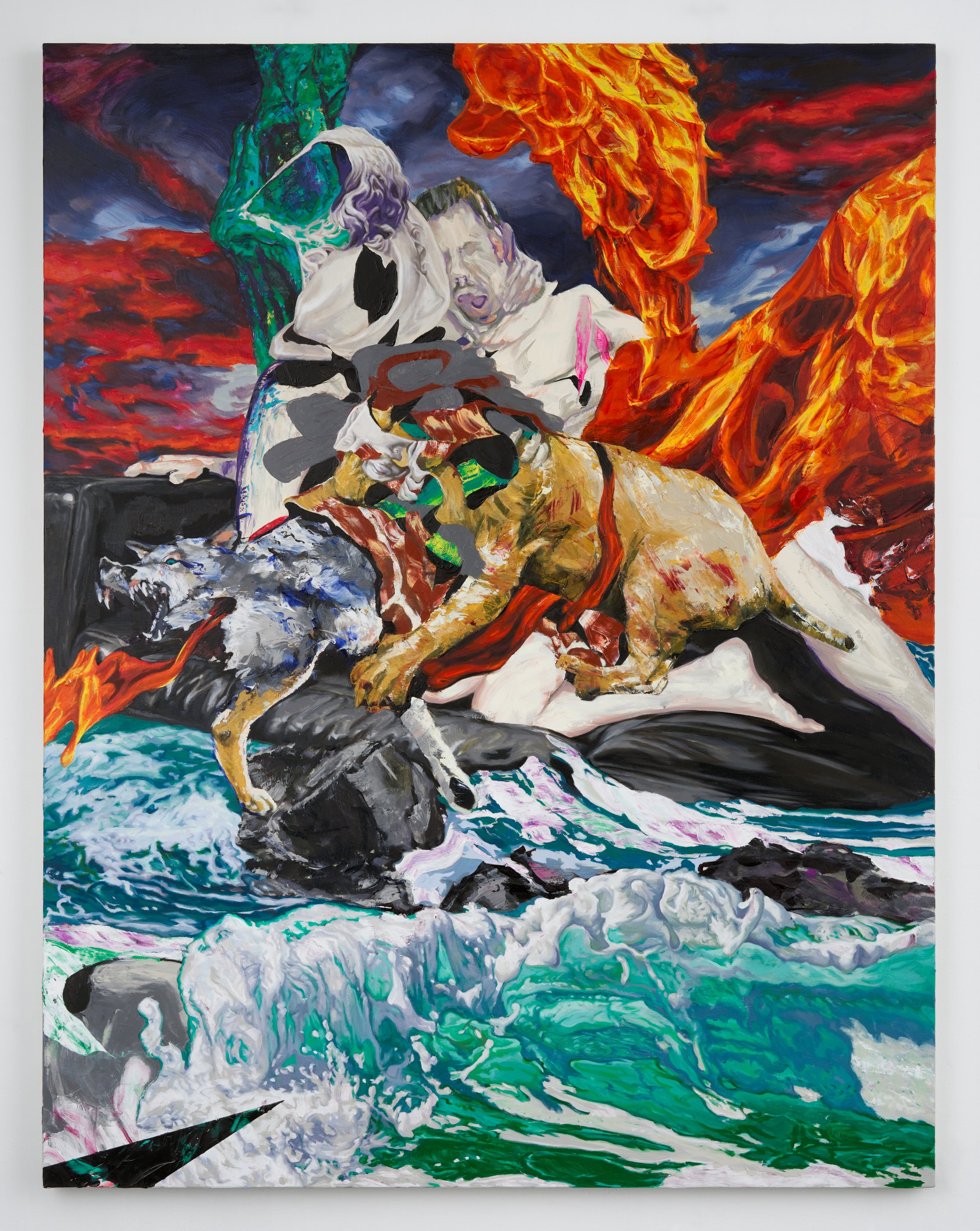
The flames function not as an image of destruction, but as a heat of transformation. The burning fire does not extinguish desire; instead, it operates as a driving force that generates new forms of desire through the process in which sensation and form are altered. This work seeks to pictorially explore the fact that desire is not expressed in a single direction, and the paradox that moments of repression or blockage may instead give rise to alternative forms of desire.
Ultimately, this work addresses not the end of desire, but its rebirth. In the place where the face disappears, a hand emerges, and within the flames, traces of another desire remain. These traces are understood as visual records that reveal desire as an entity that is constantly shifting and transforming.
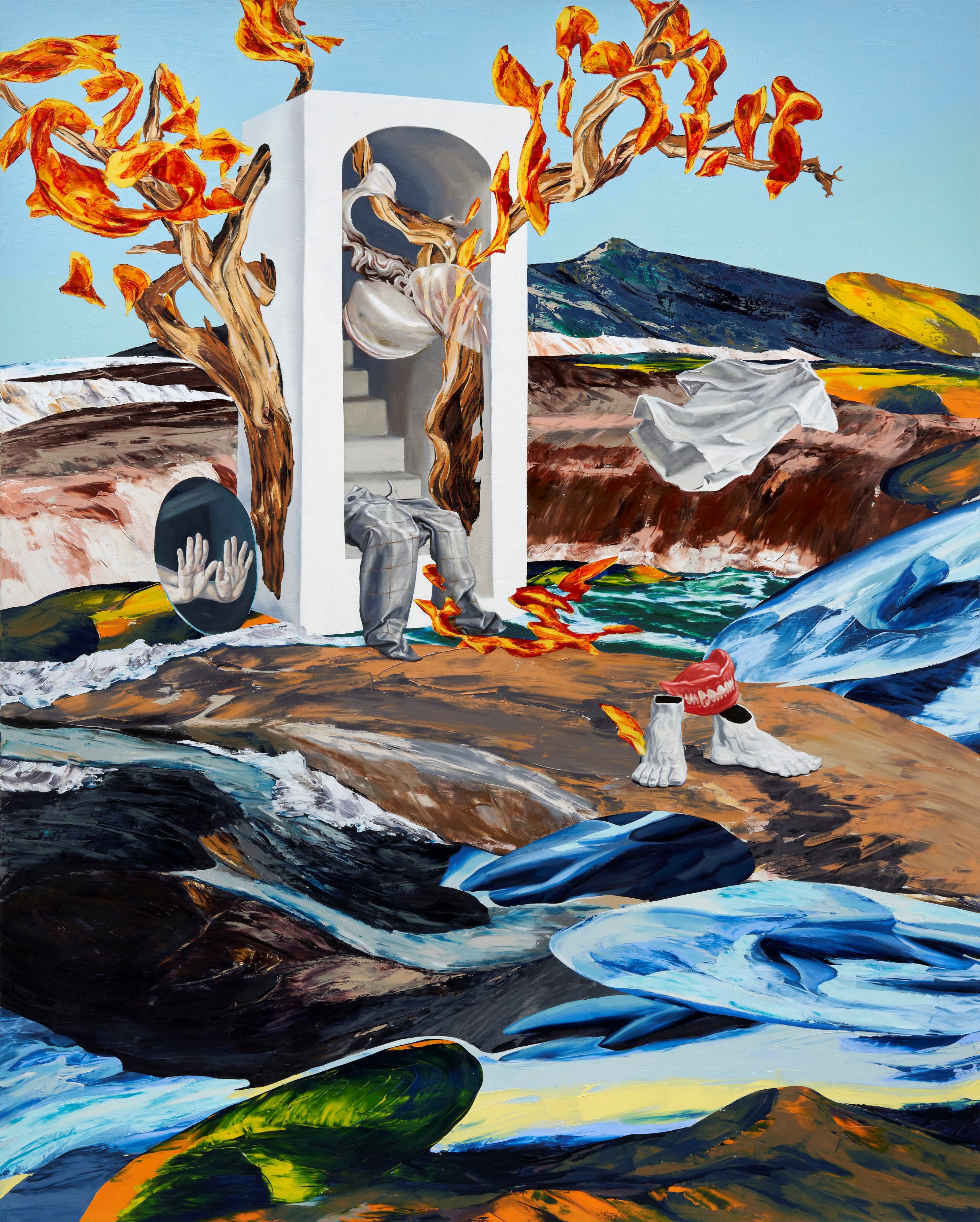
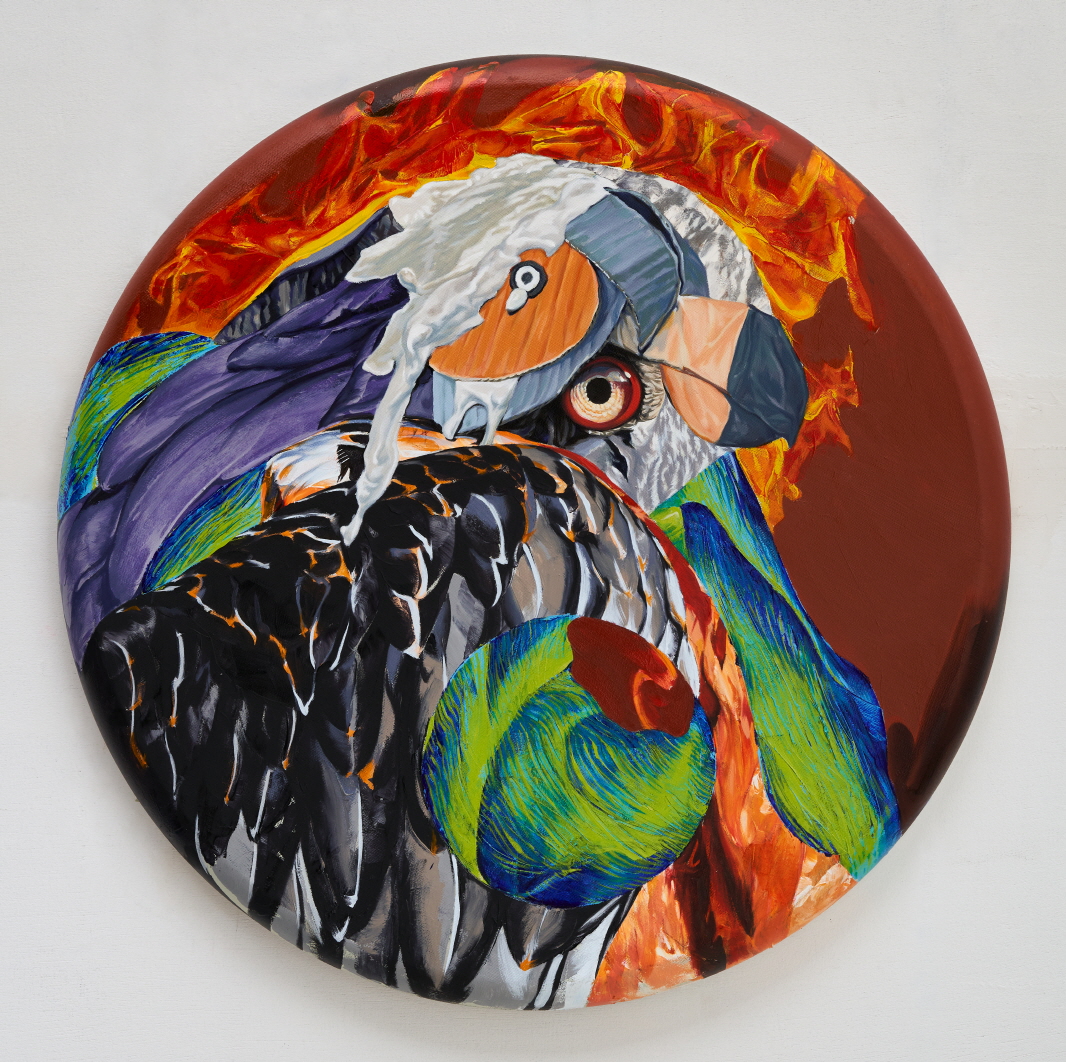
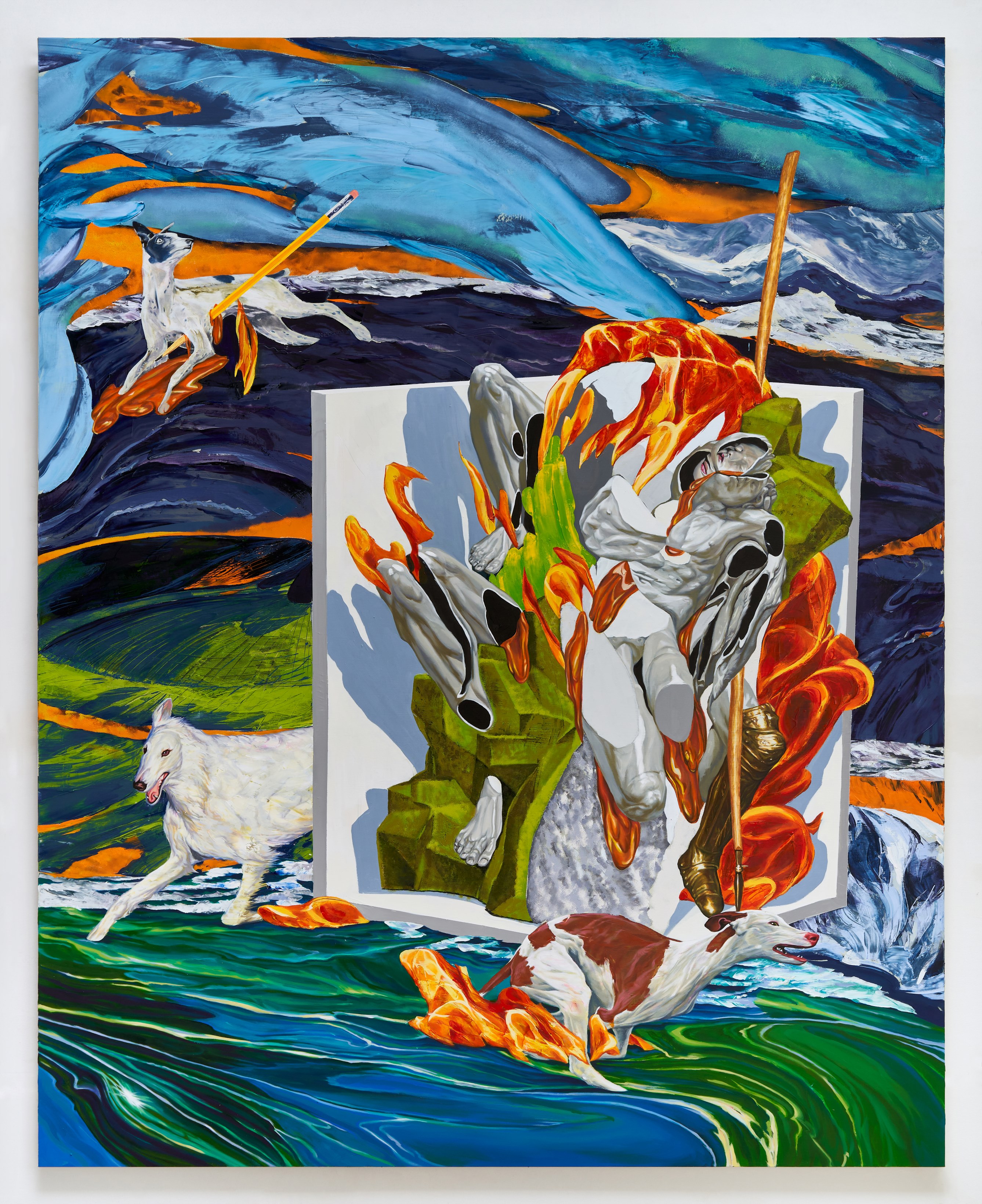
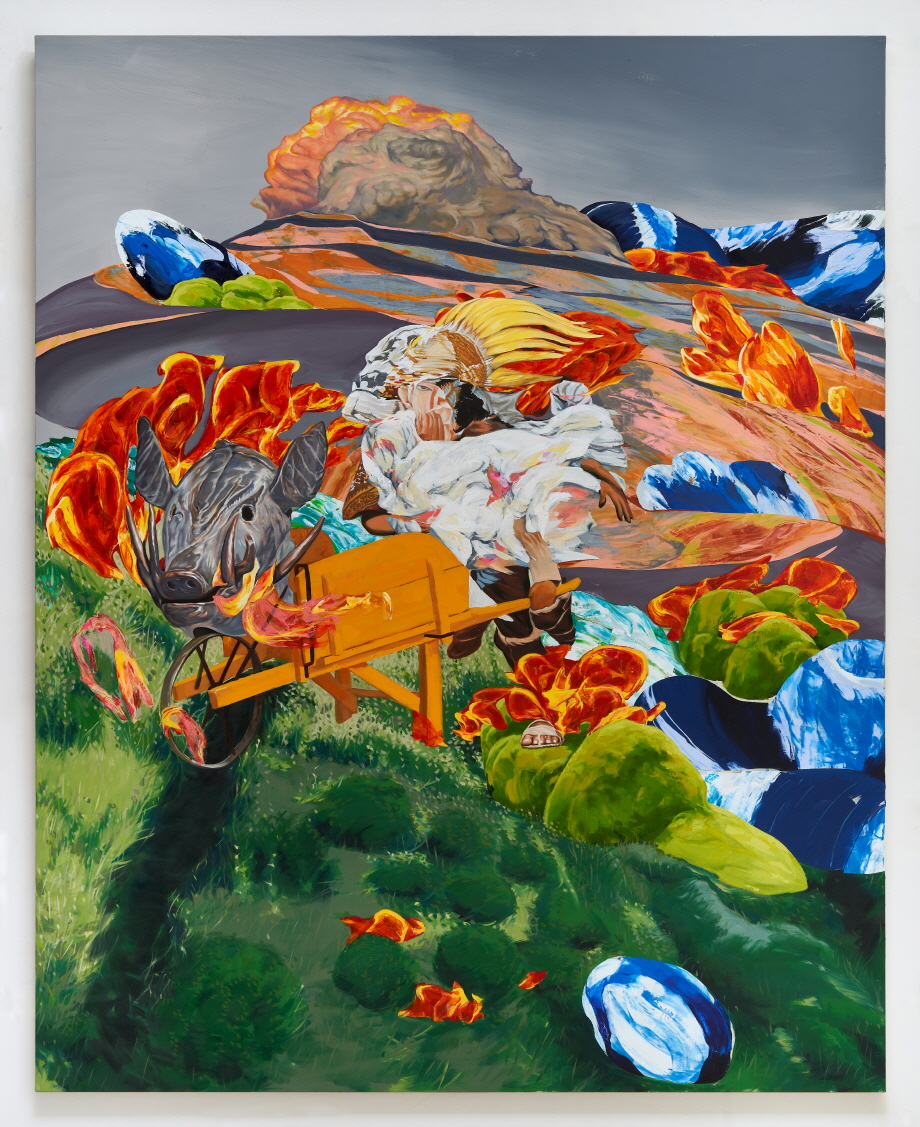
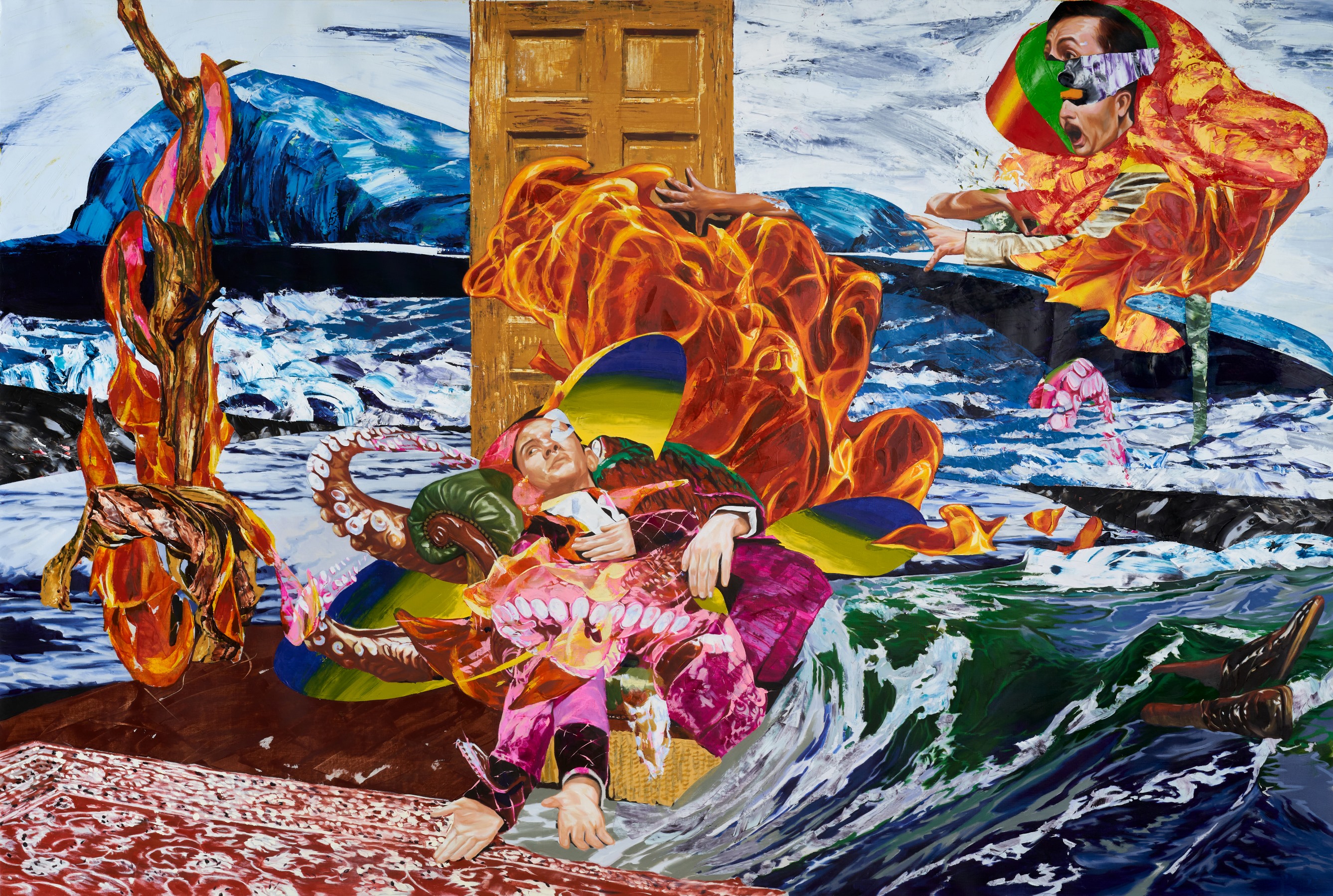
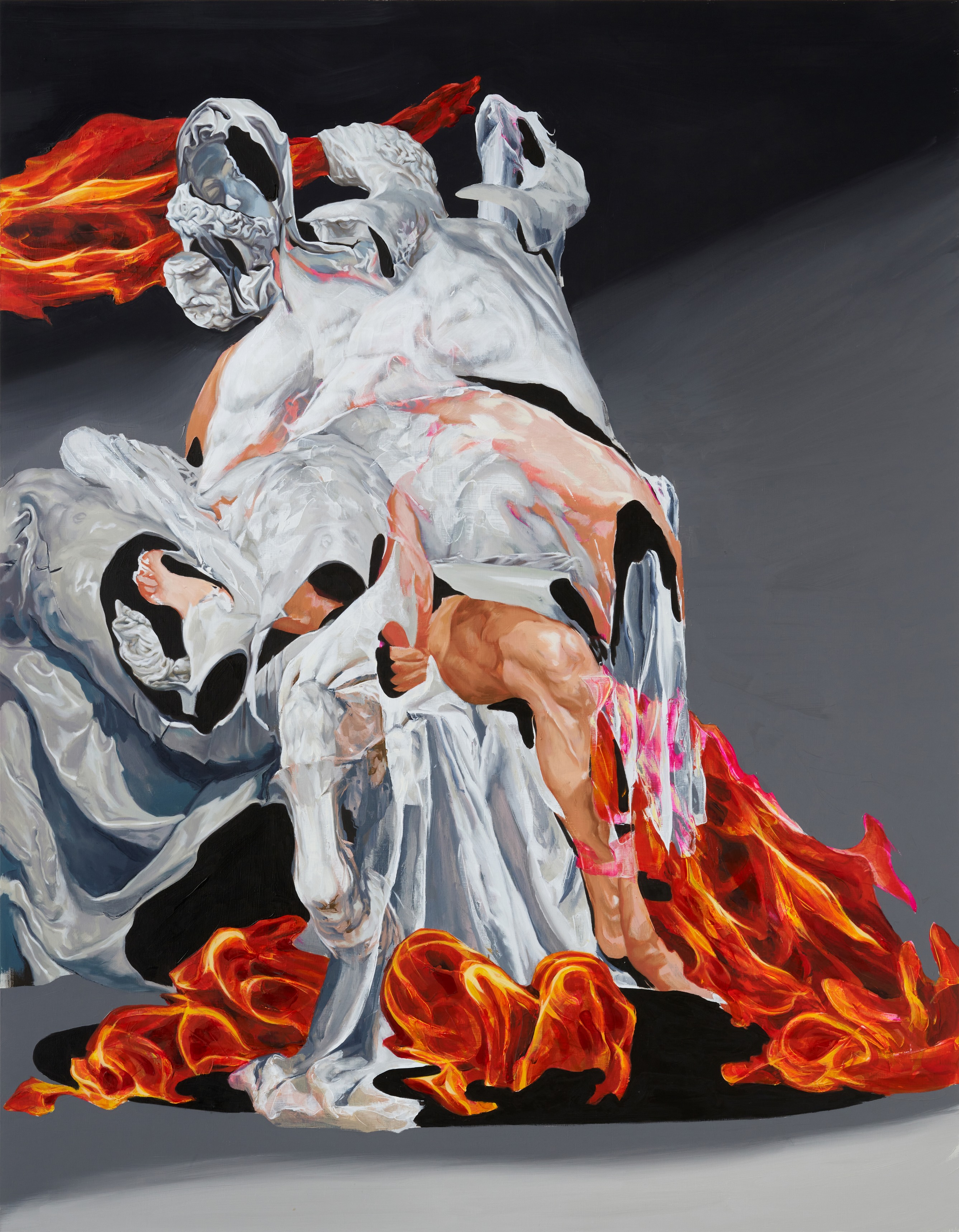
Park Jung Hyuk’s third painting series, ‘Park’s Land’, unfolds around the idea of “transformation.” When beginning this body of work, the artist was interested in exploring a sense of possibility, and transformation became the theme through which that notion could be articulated. Here, transformation does not refer to a simple shift from A to B, as in familiar mythic or cinematic narratives.
Instead, it encompasses a broader spectrum of states—what something could become, how roles shift according to circumstance, and the latent conditions inherent within a subject.
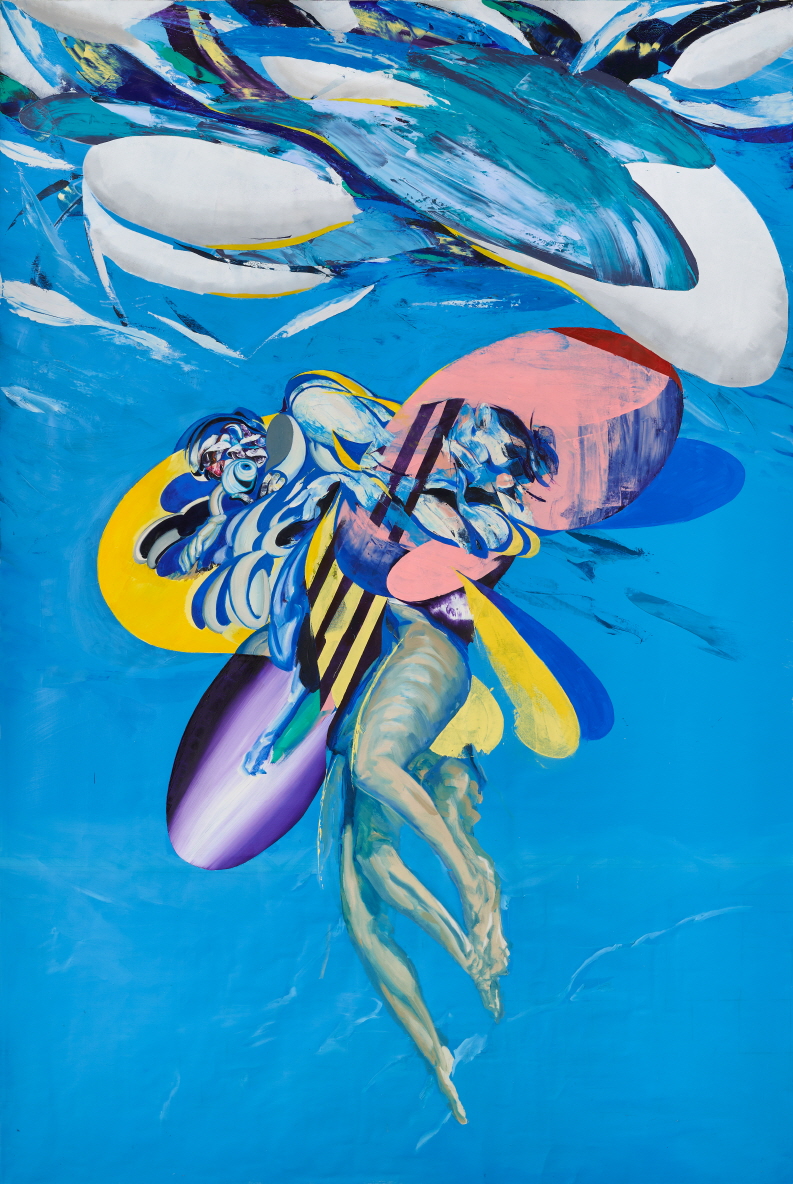
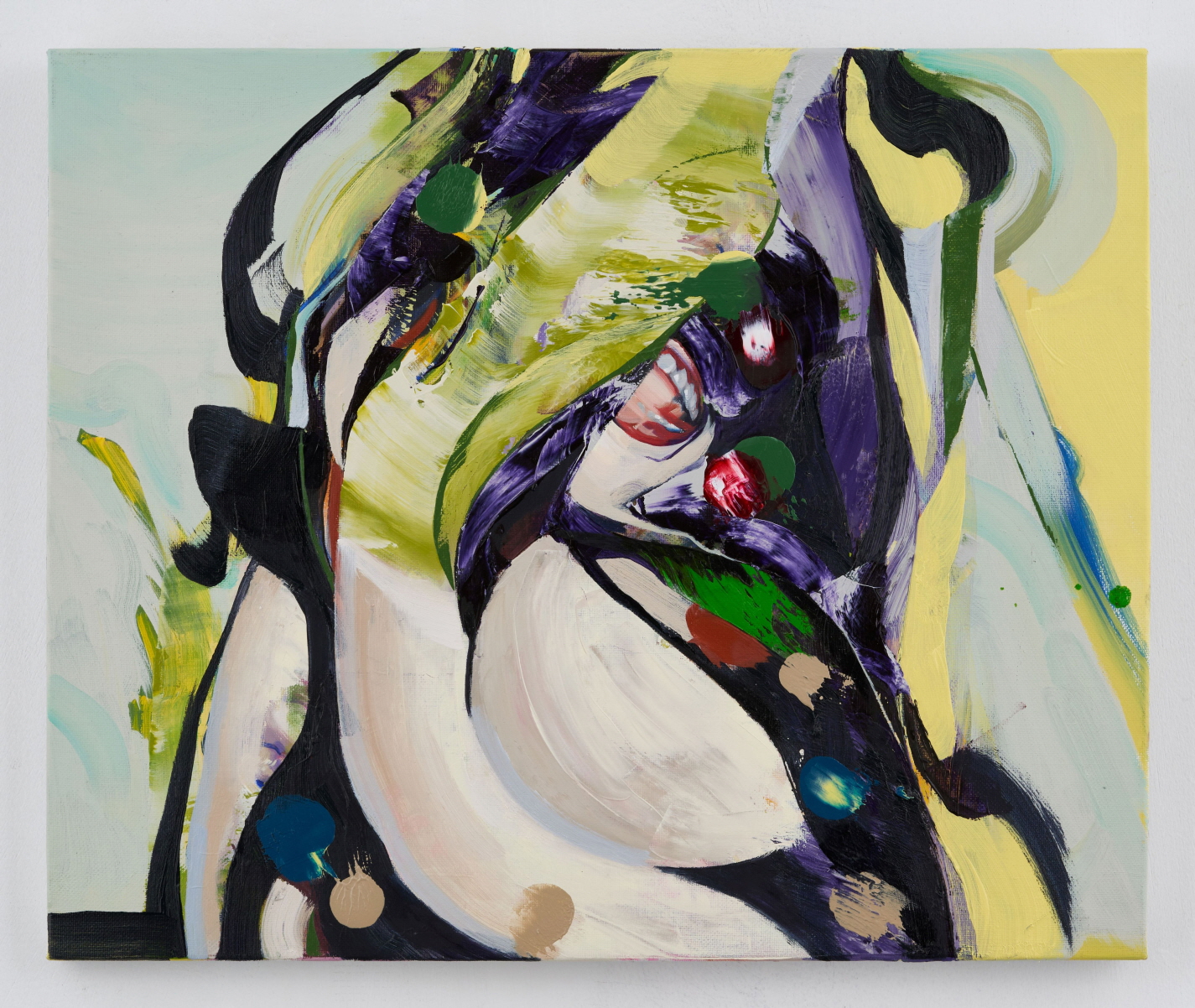
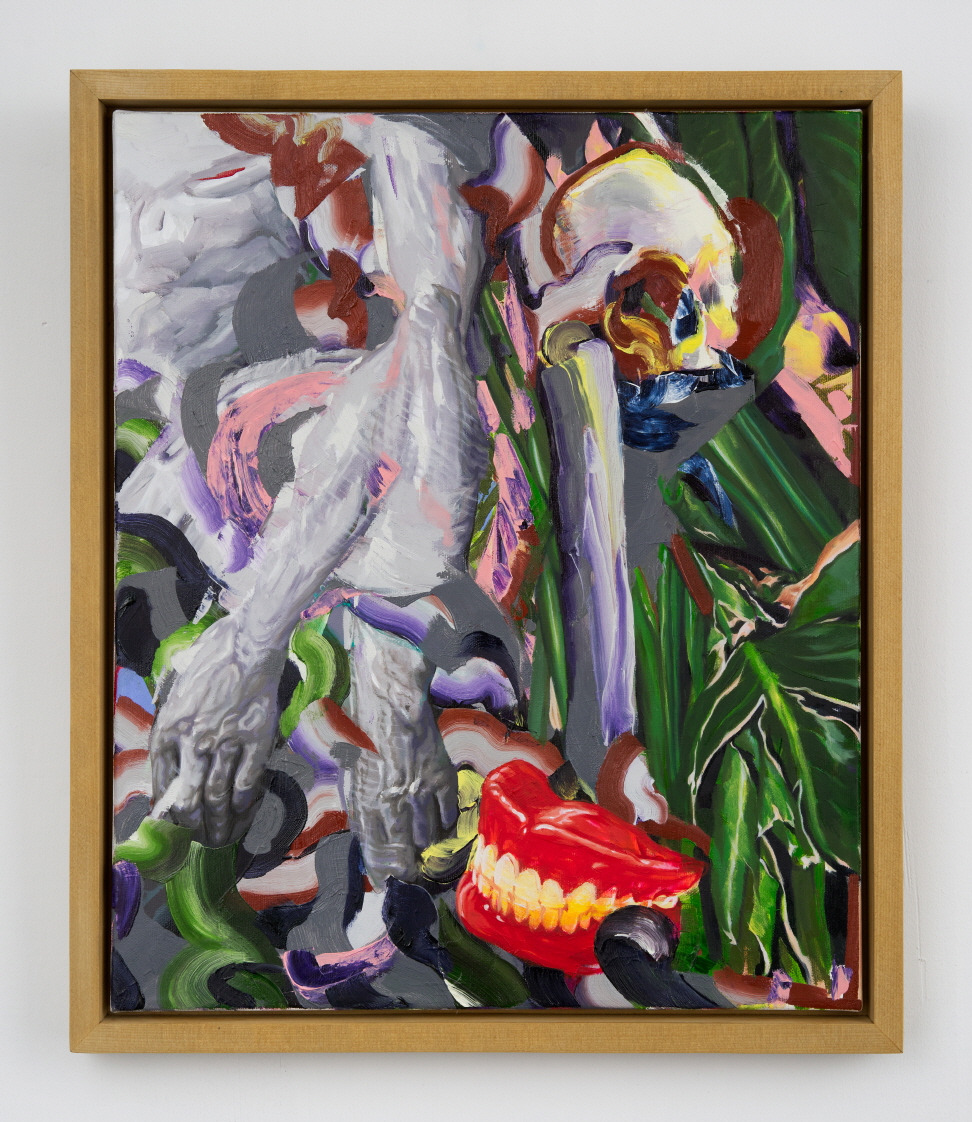
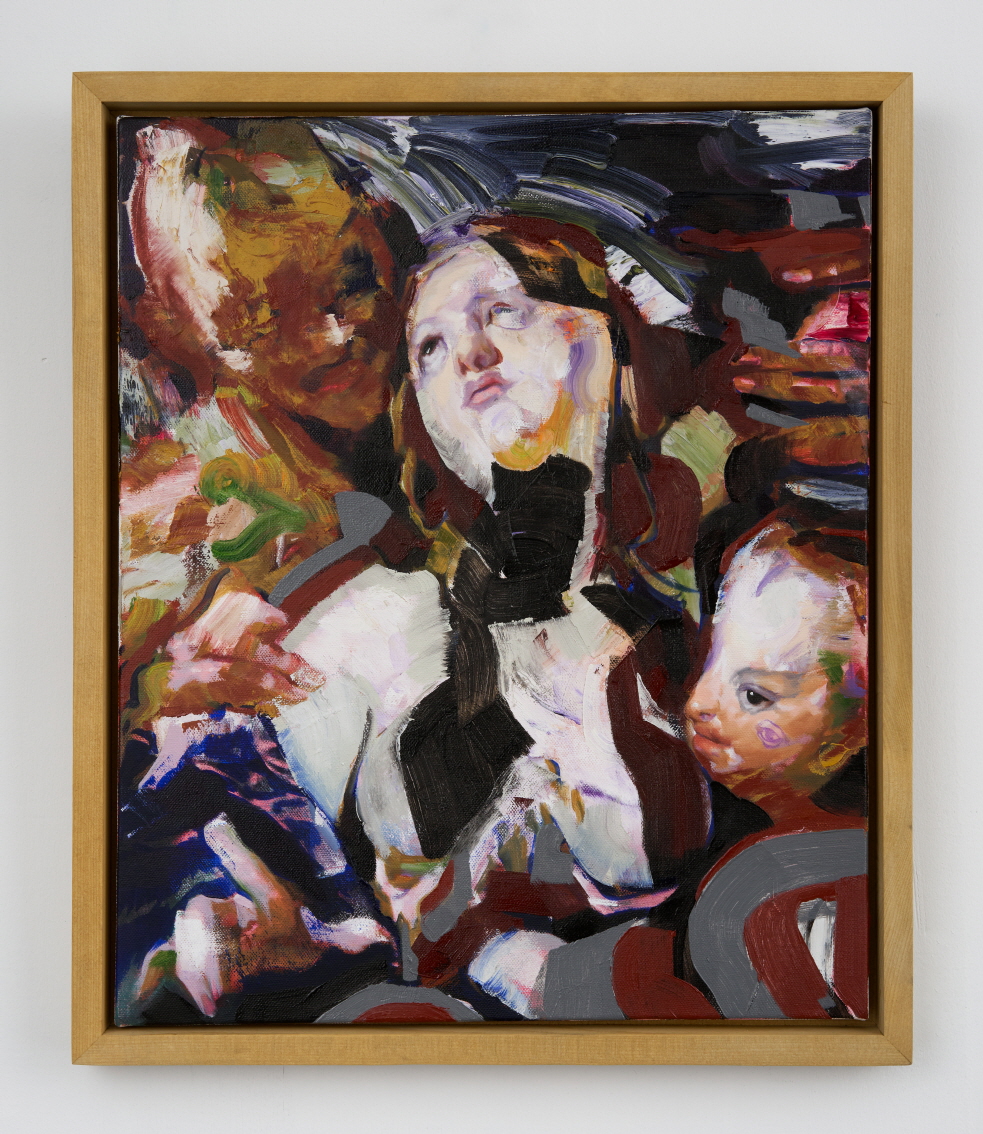
Figures and forms in the paintings appear structurally dismantled, blurred, or distorted through layered brushwork. These visual disruptions are less about depicting physical change and more about revealing multiple potential states at once.
Ultimately, ‘Park’s Land’ considers the conditions that allow transformation to occur rather than the moment of change itself. Through overlapping imagery and fluid gestures, the series presents a world defined not by what is changing, but by what can change—an expanded terrain for the artist’s ongoing exploration of painterly imagination.