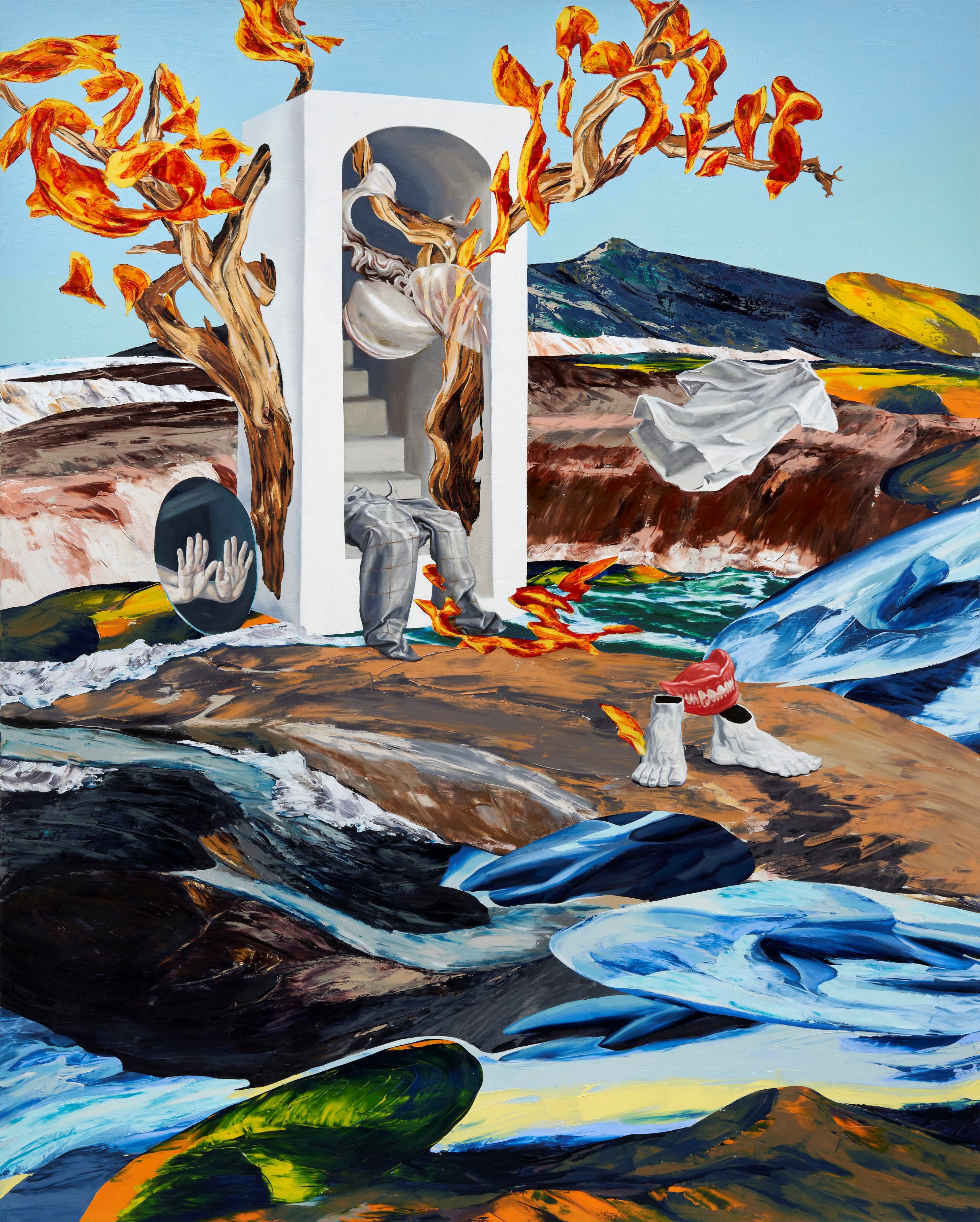
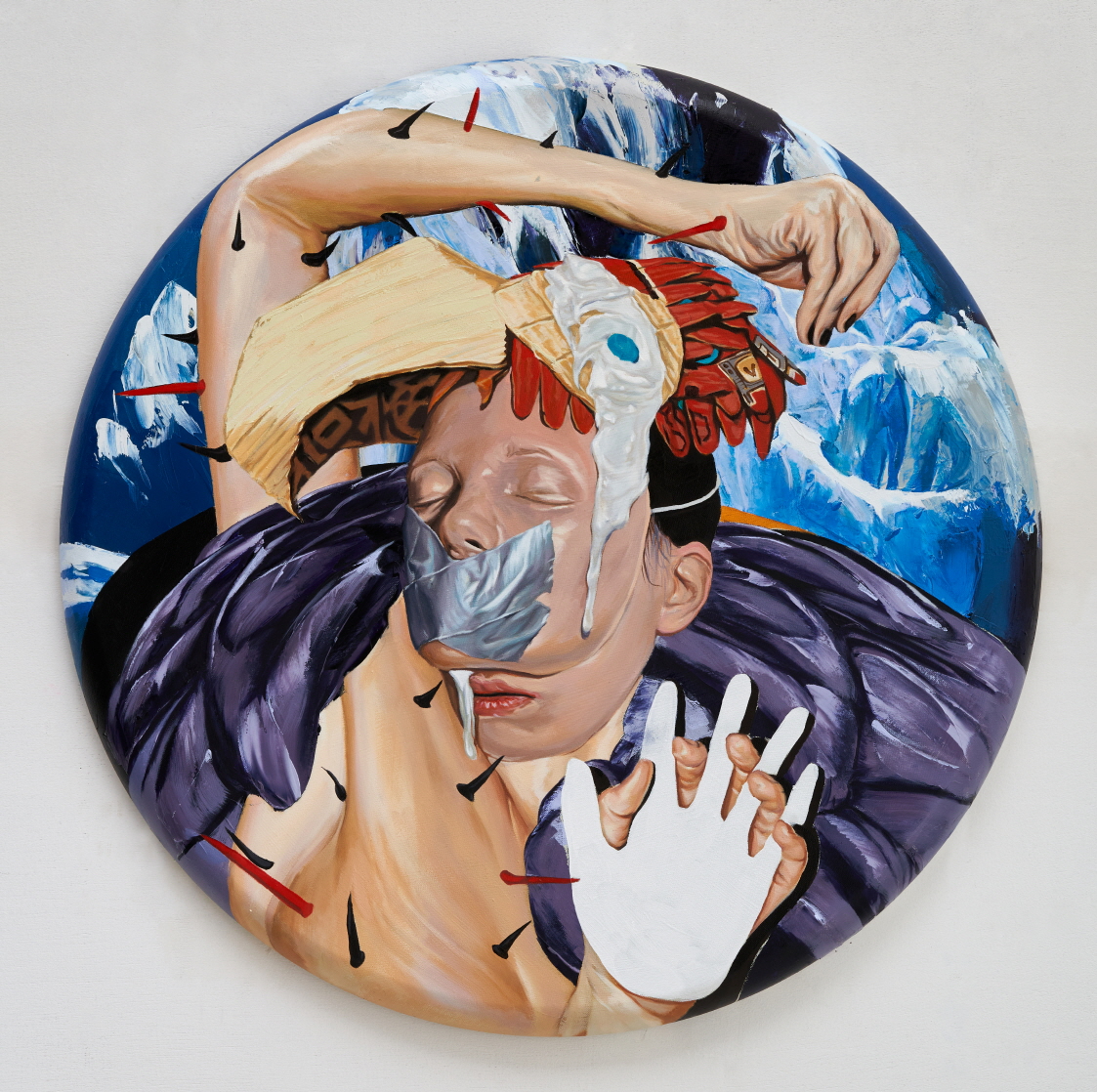
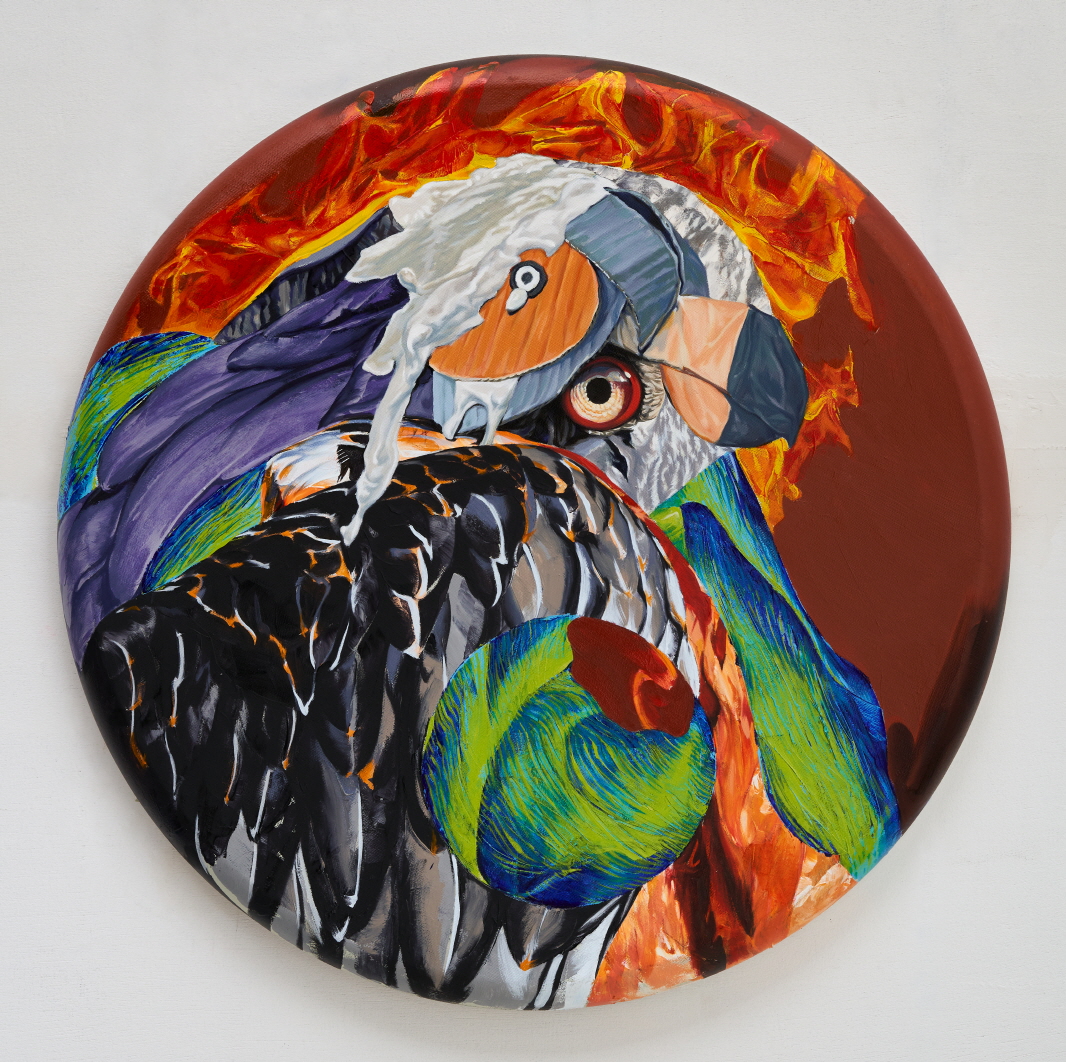
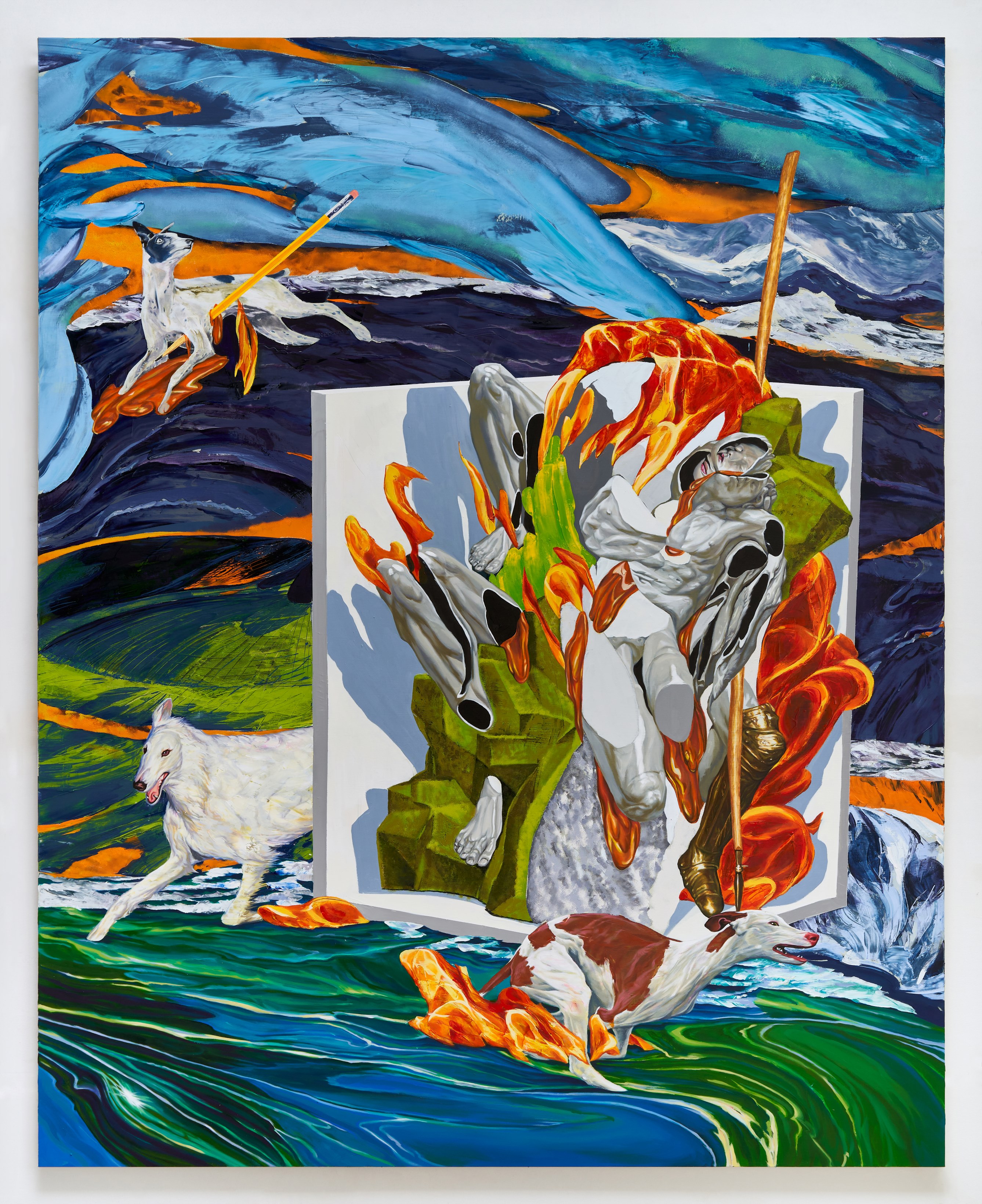
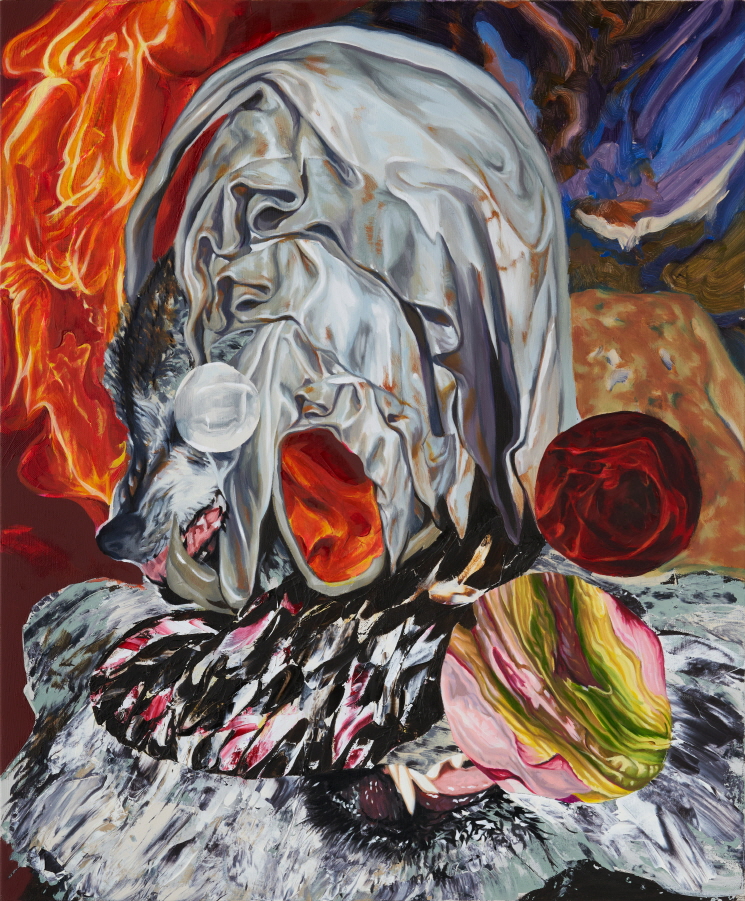
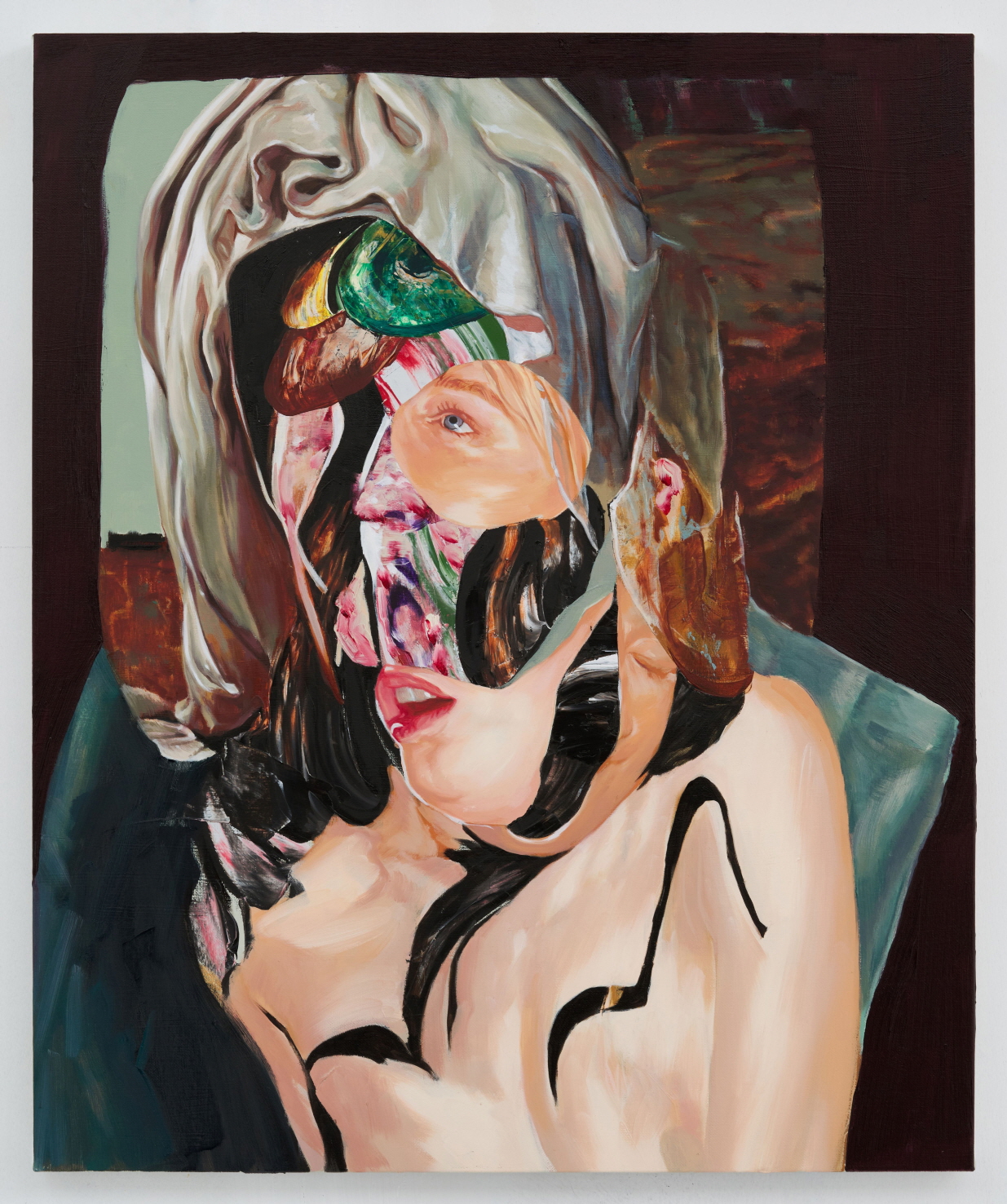
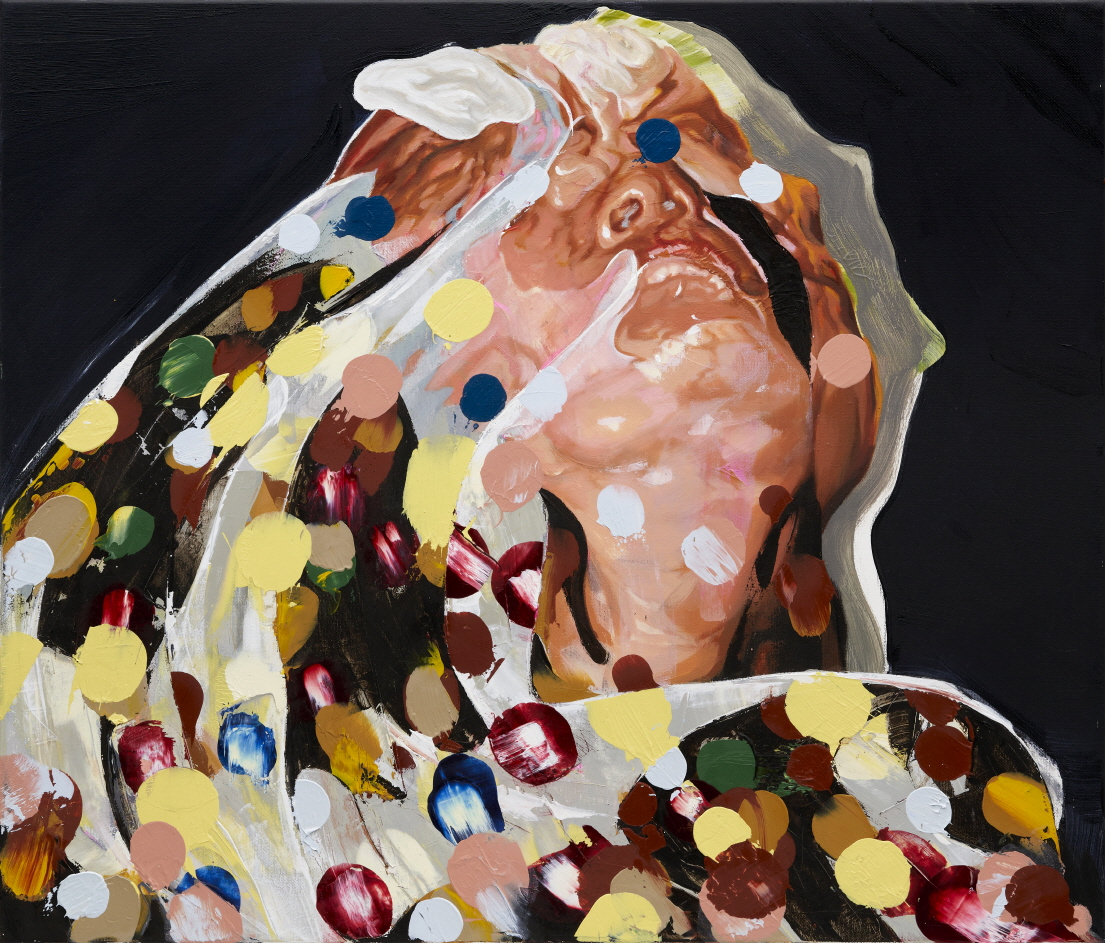
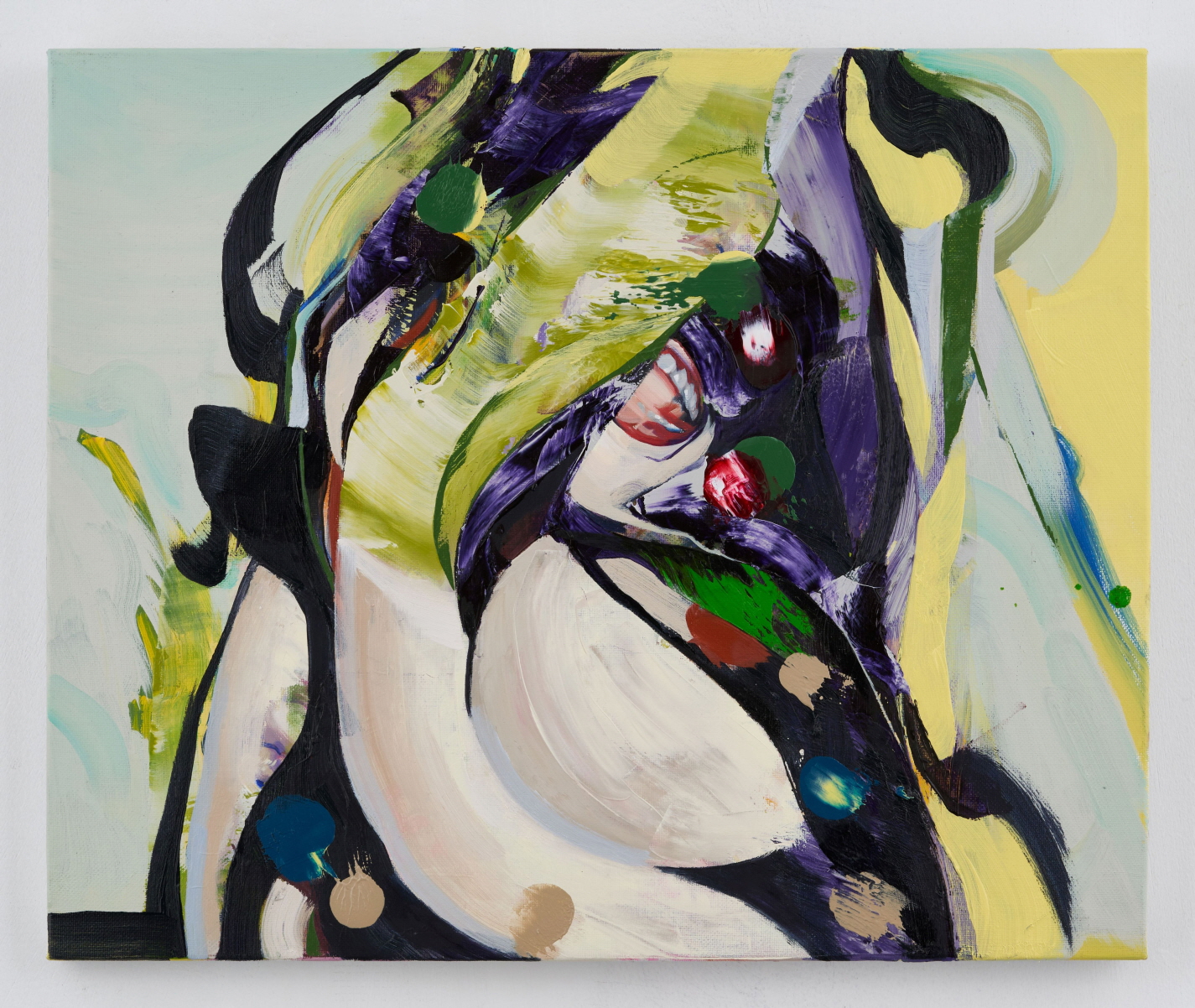
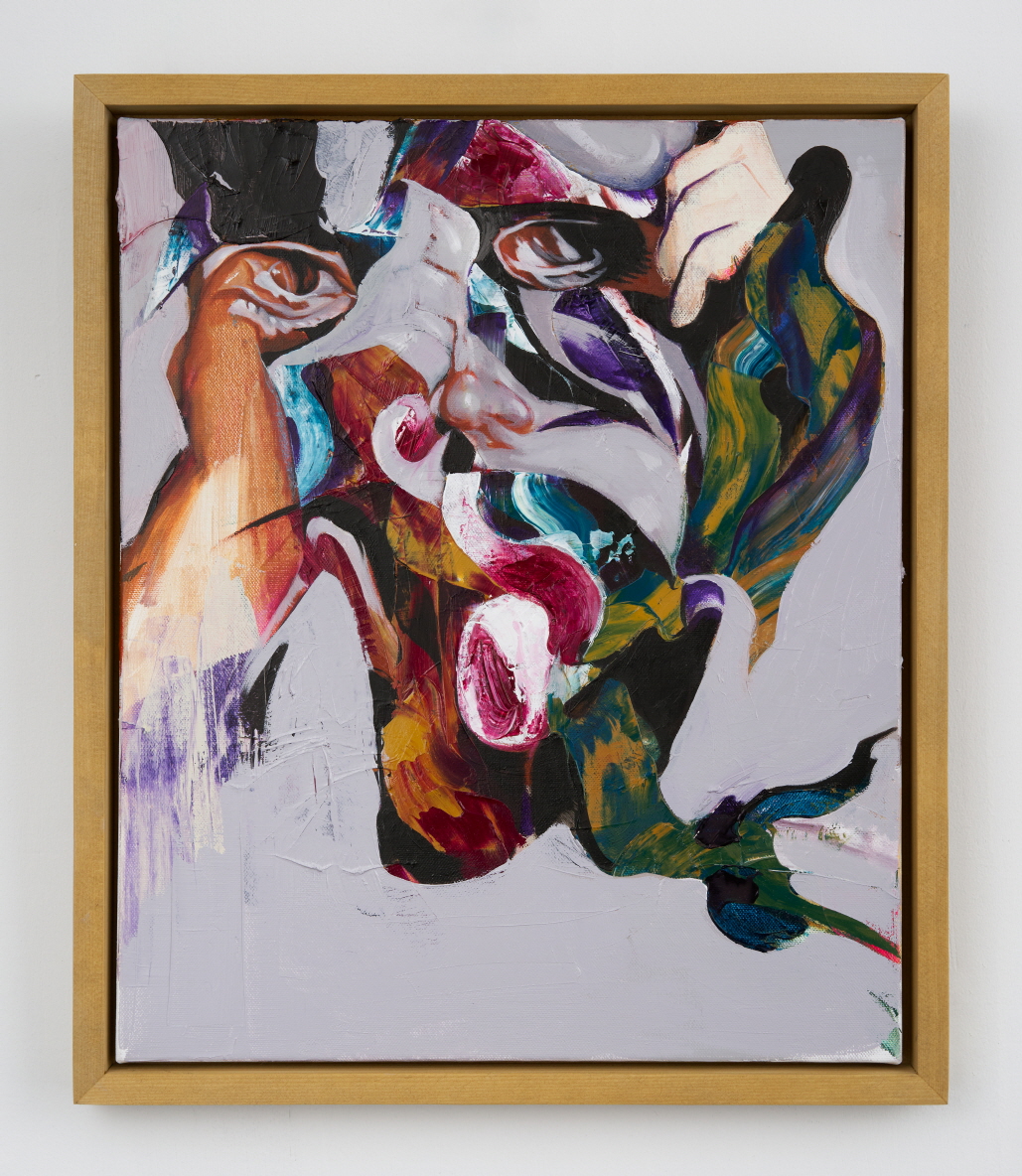
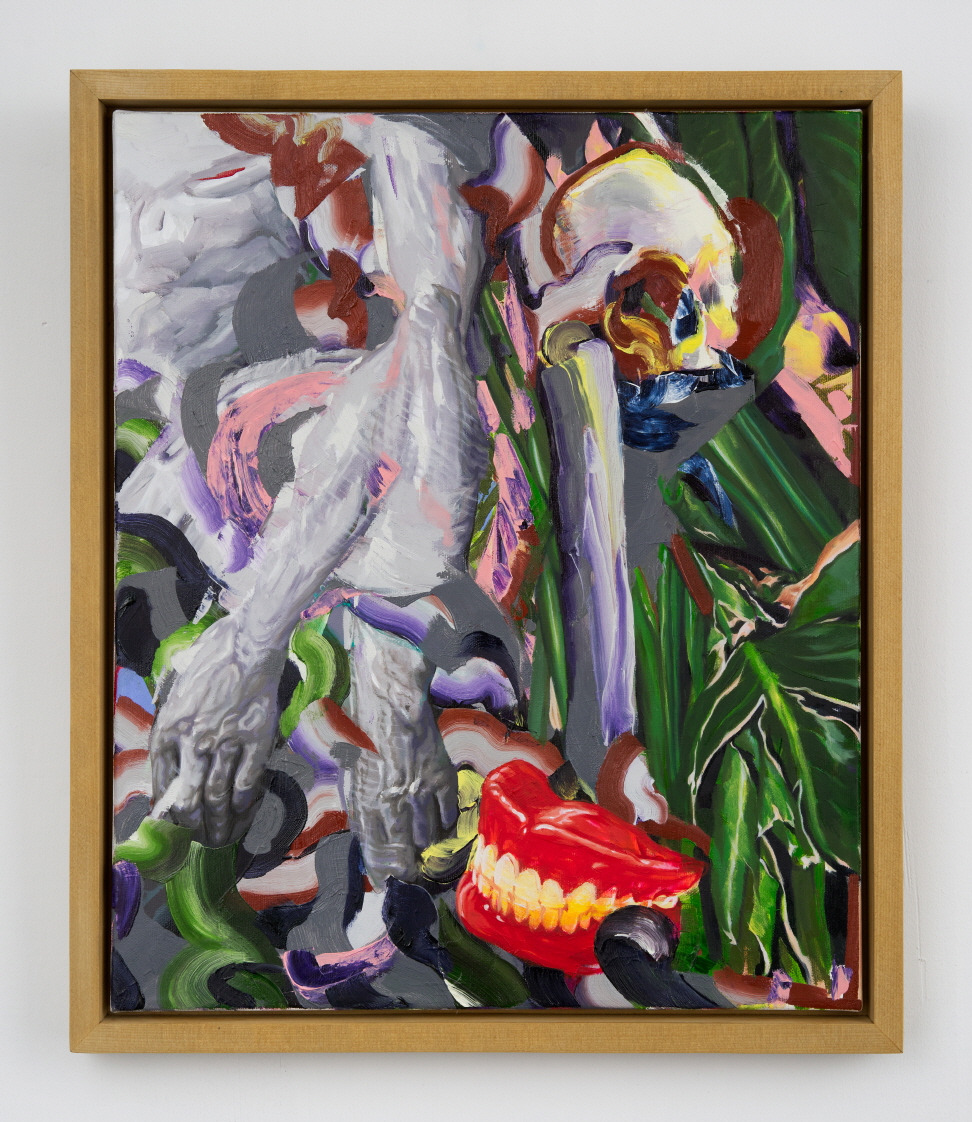
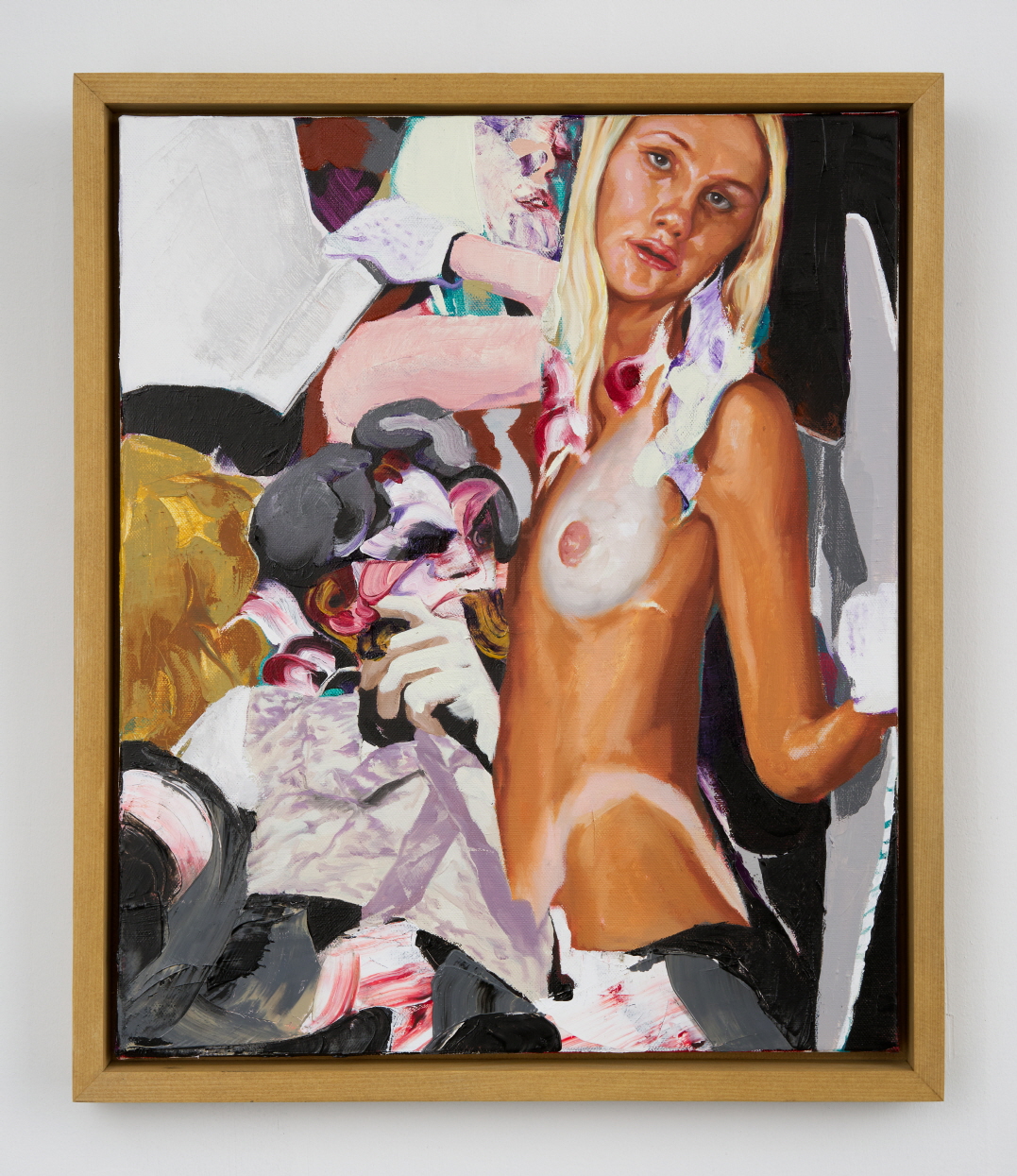
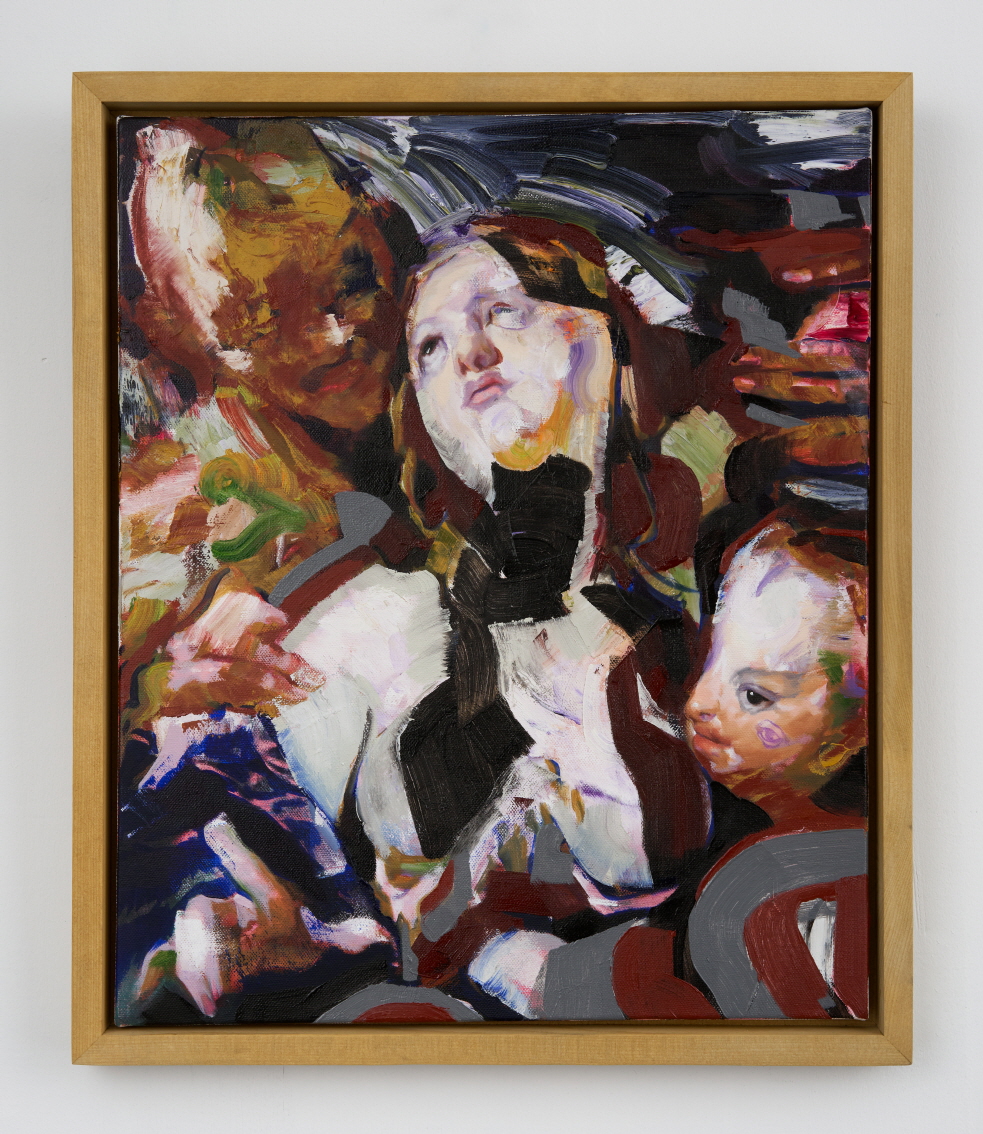
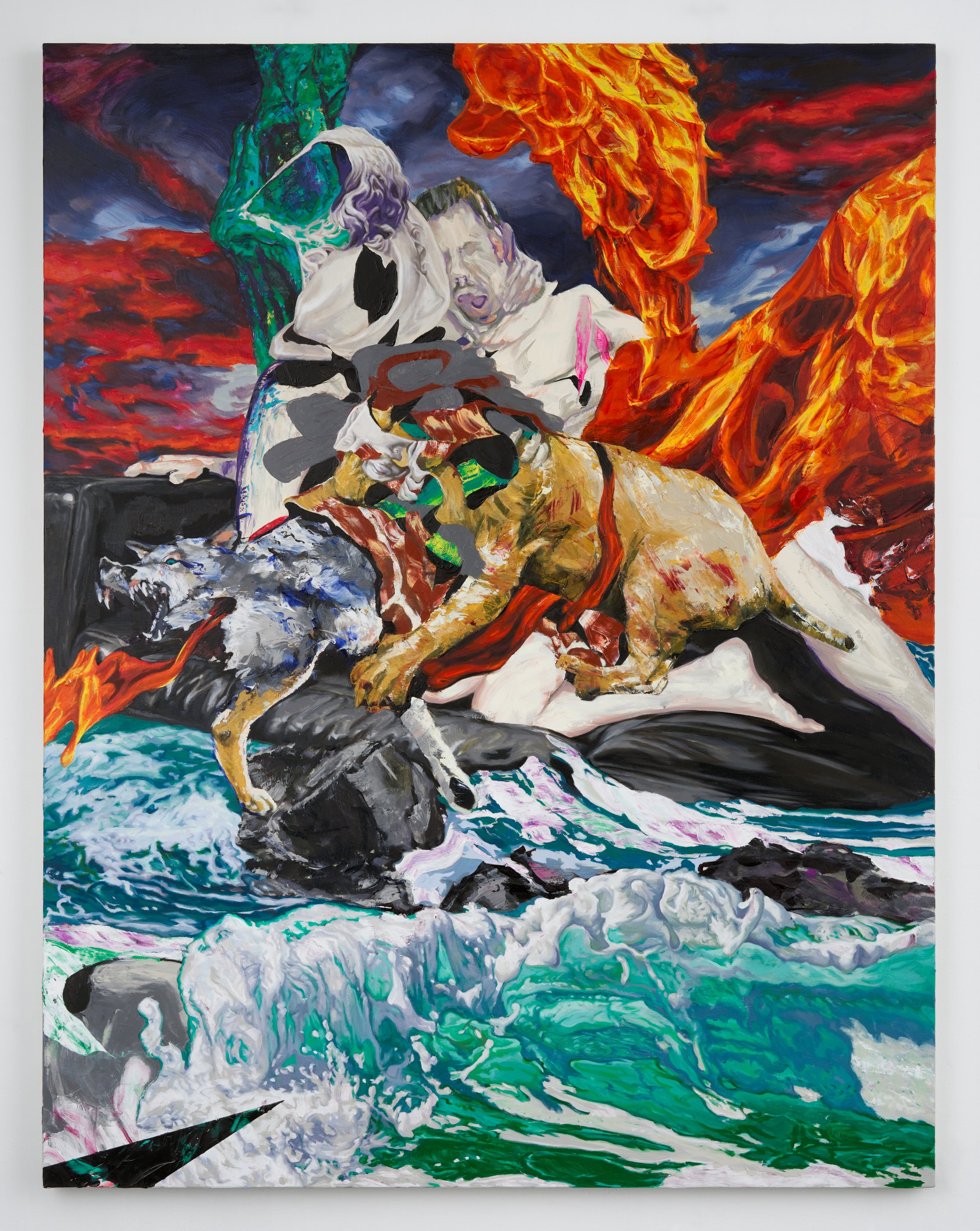
Park's Land 32-Blue Blood, Growth Rings, Melting, The Melted Armor of the Non-Existent Knight
2024 Oil on canvas 60.6 x 50 cm
Provenance
Artist Collection, 2026
Exhibitions
2025–2026,《Su! Su! Susu! Supernormal!!》, Space Supernormal, Seoul
2025《Rebellious possibility》, Yeol Jeong Gallery, Seoul
2024《When Ero·Gro·Nonsense Combines Nonlinearly – Episode 1》, Museum1, Busan
2023《When Ero·Gro·Nonsense Combines Nonlinearly》, Arting Gallery, Seoul
About The Work
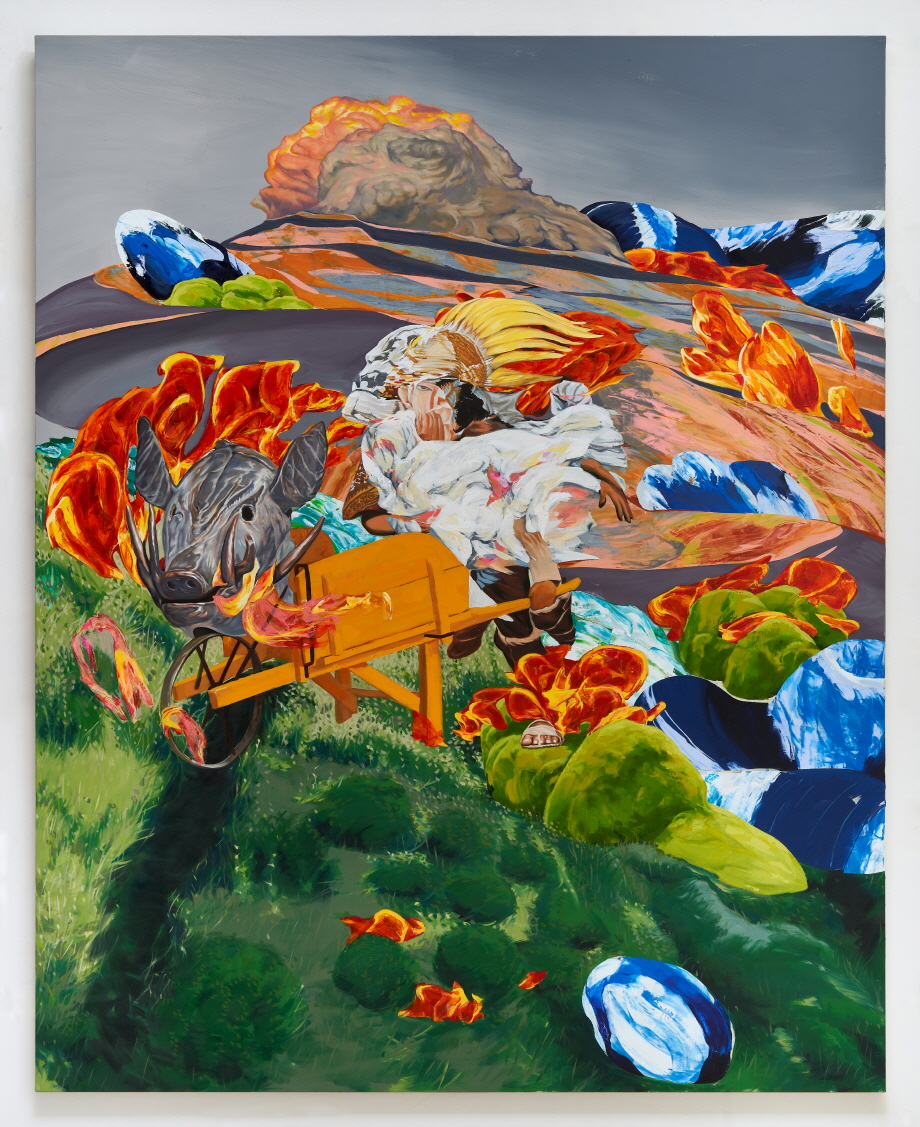
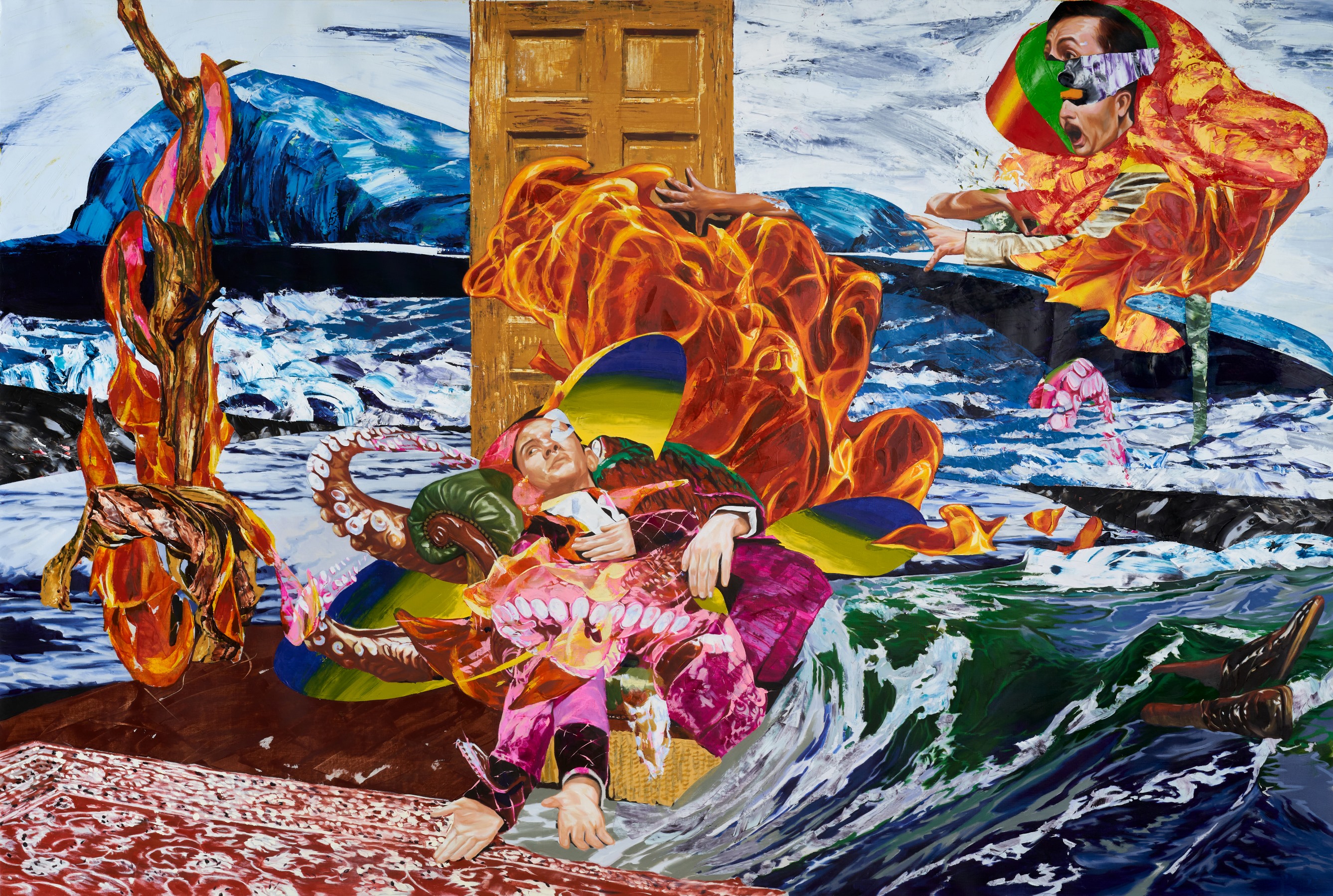
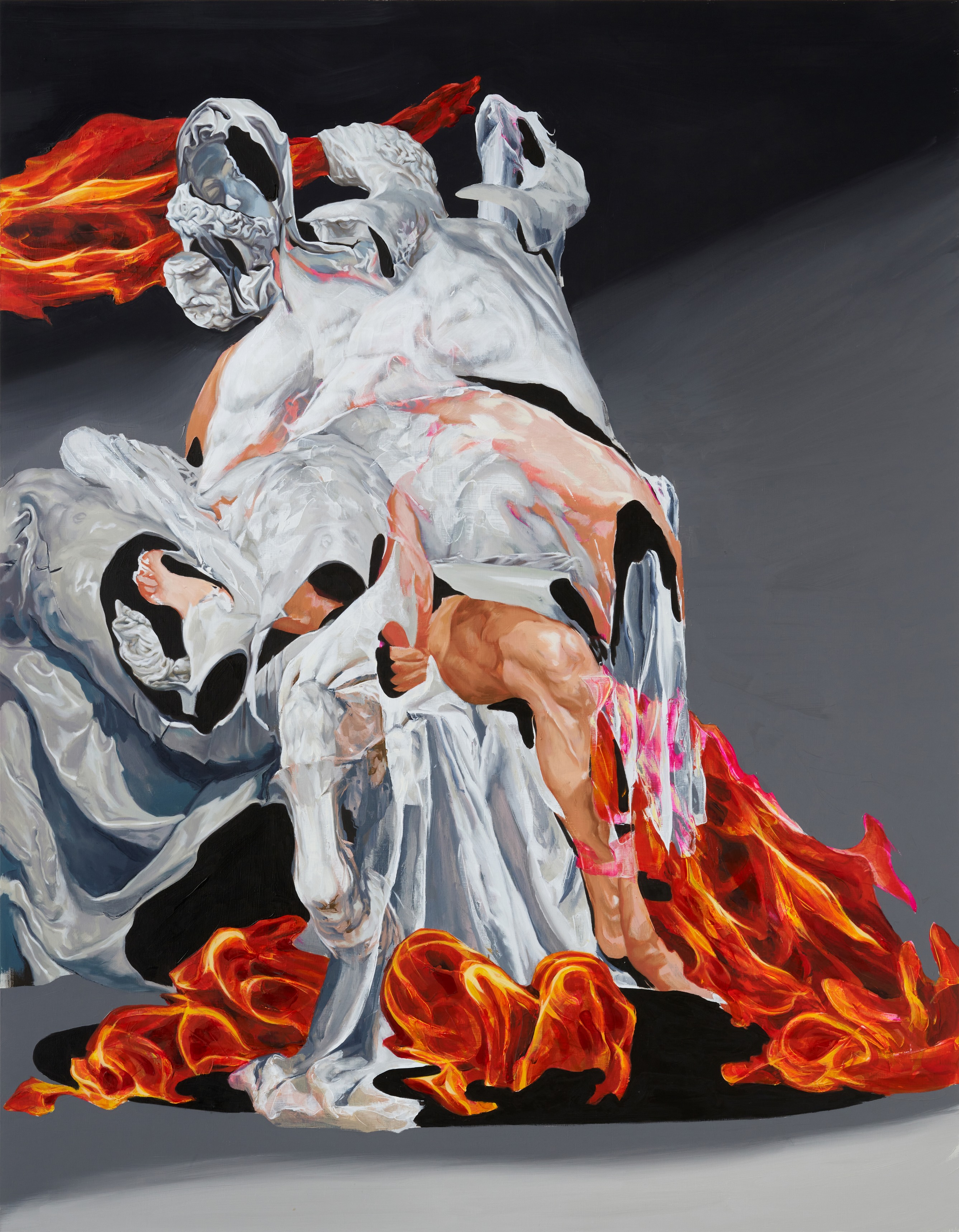
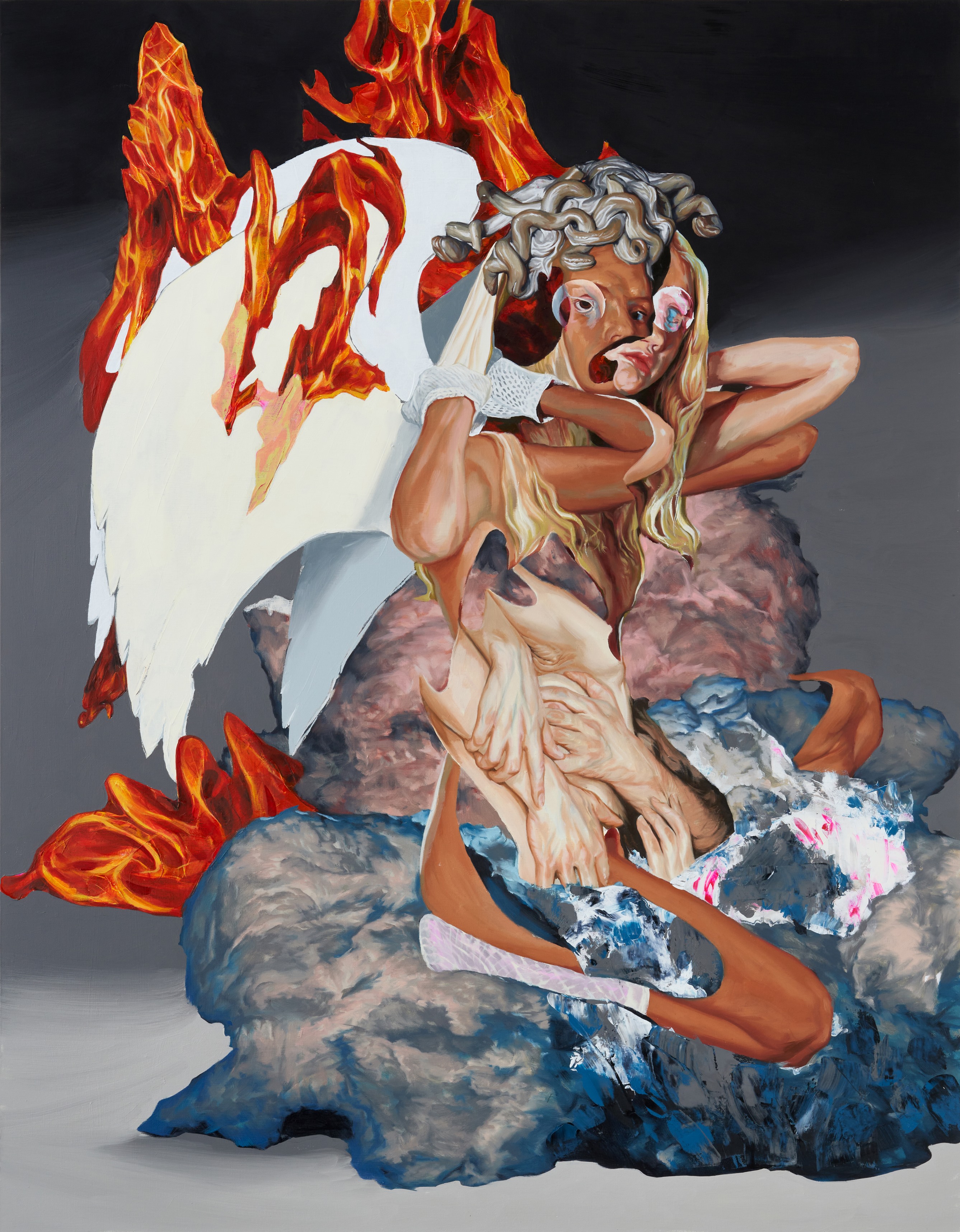
This work takes its motif from the novel “The Non-Existent Knight”. The mode of existence of a knight composed solely of an empty suit of armor poses a question about what remains of a human being when desire and identity are absent. If the helmet that once constituted his identity were to melt away, what form would that existence take? Through pictorial transformation, this work seeks to explore the traces and alternative possibilities that remain when the outer shell sustaining identity collapses.
By contrast, the figure composed of growth rings imagines another possible form of existence that might remain in the place of the melted armor. Just as the growth rings of a tree record time, this figure emerges from the question of whether identity can leave any trace even after its external shell has disappeared. Yet even these beings, if desire were to be removed, would ultimately remain as hollow shells. The notion of blue blood reveals them as liminal entities—neither human nor non-human—suggesting how fluid identity can be between the real and the unreal.
The thorn above the head symbolizes the danger and tension that arise when desire produces an incomplete state of selfhood. The fact that the external shell constituting identity can melt away, and that the interior of existence may be filled or emptied depending on the presence or absence of desire, demonstrates that the self is not a fixed entity but a structure in constant transformation. Through this work, I seek to reveal that identity, desire, and the conditions of existence are placed within a relationship that is both interdependent and unstable.
Park Jung Hyuk’s third painting series, ‘Park’s Land’, unfolds around the idea of “transformation.” When beginning this body of work, the artist was interested in exploring a sense of possibility, and transformation became the theme through which that notion could be articulated. Here, transformation does not refer to a simple shift from A to B, as in familiar mythic or cinematic narratives.
Instead, it encompasses a broader spectrum of states—what something could become, how roles shift according to circumstance, and the latent conditions inherent within a subject.
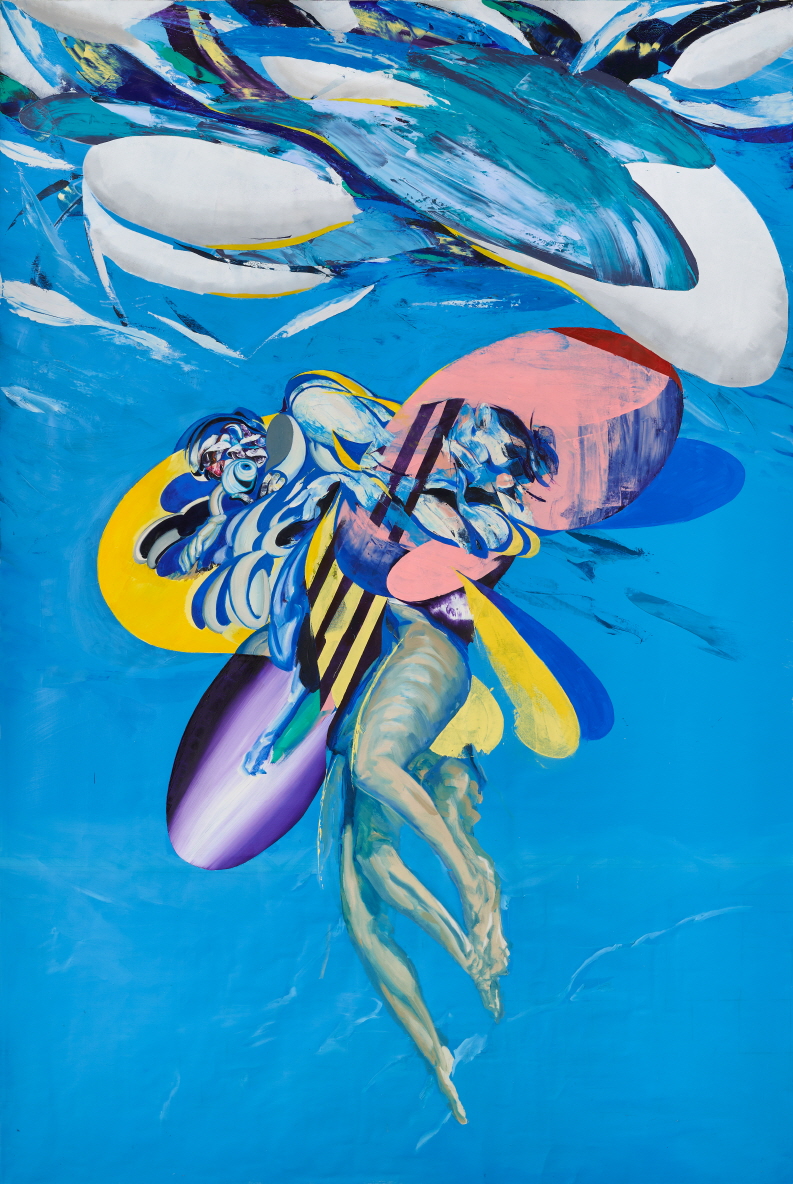
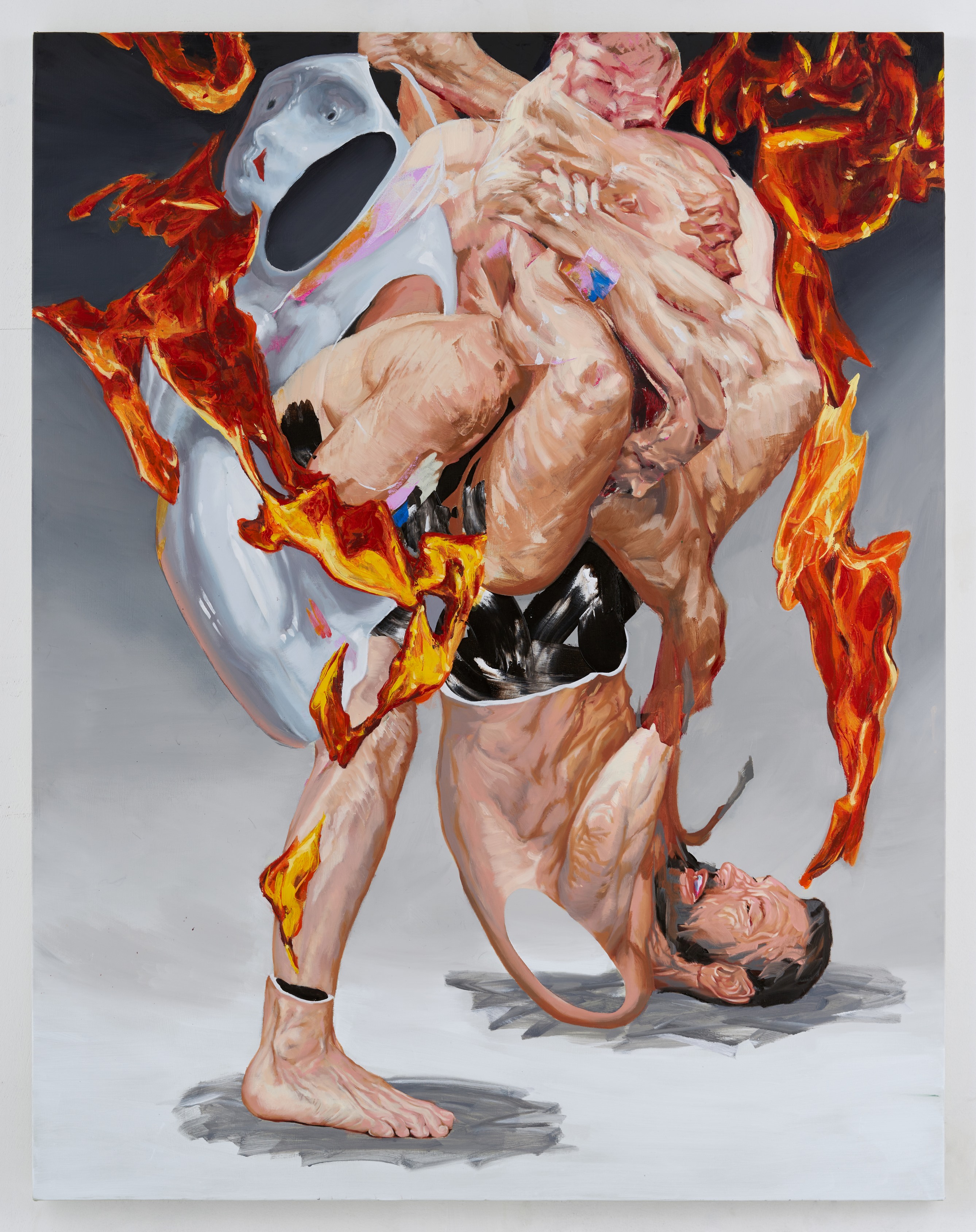
Figures and forms in the paintings appear structurally dismantled, blurred, or distorted through layered brushwork. These visual disruptions are less about depicting physical change and more about revealing multiple potential states at once.
Ultimately, ‘Park’s Land’ considers the conditions that allow transformation to occur rather than the moment of change itself. Through overlapping imagery and fluid gestures, the series presents a world defined not by what is changing, but by what can change—an expanded terrain for the artist’s ongoing exploration of painterly imagination.