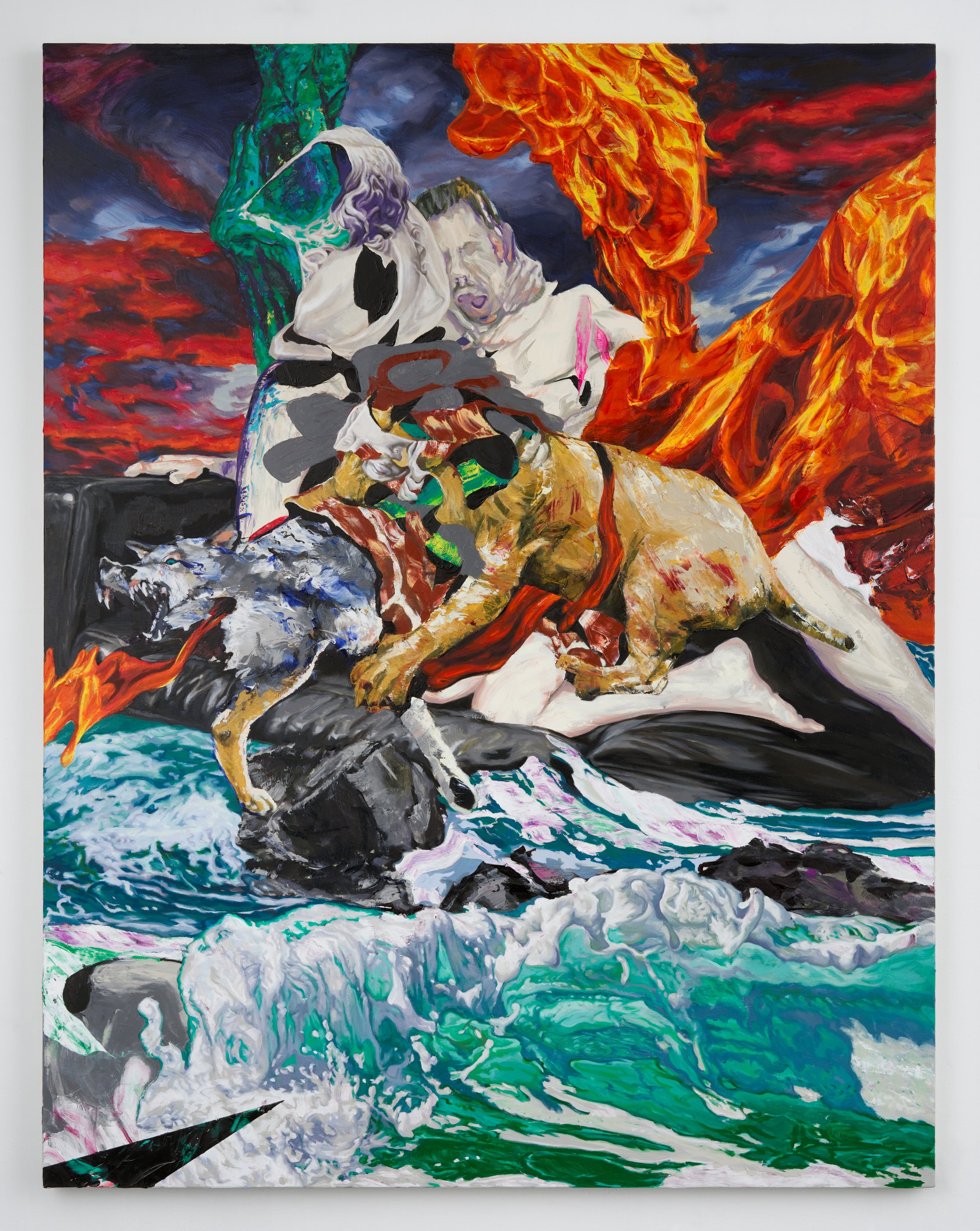
Park's Land 53-Actor
2026 Oil on canvas 162.2 x 130.3 cm
Provenance
Artist Collection, 2026
About The Work
Precarious Stratification and the Metamorphosing Self
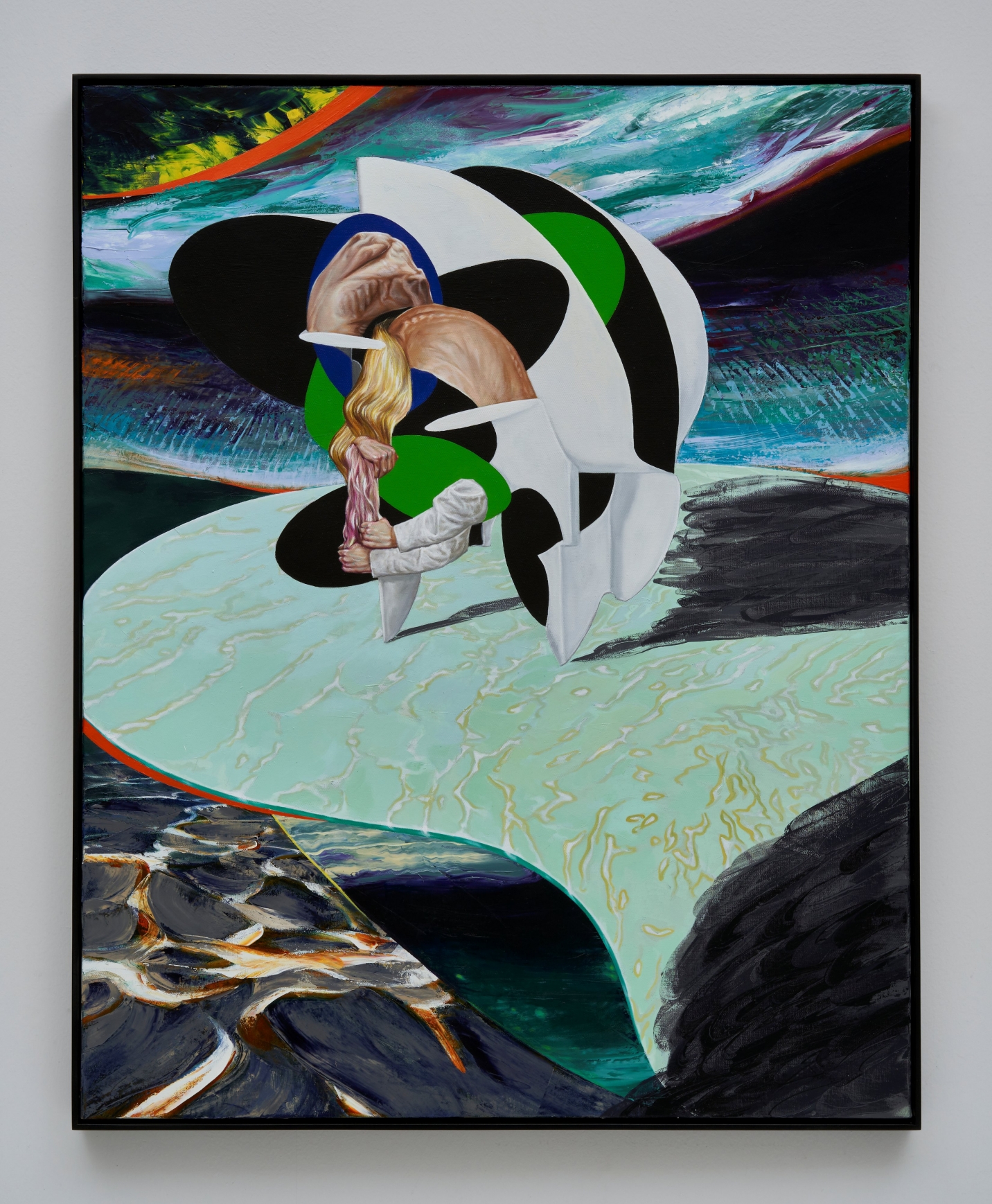
What is an actor? An actor is one who willingly effaces the self while standing upon accumulated layers of anxiety.
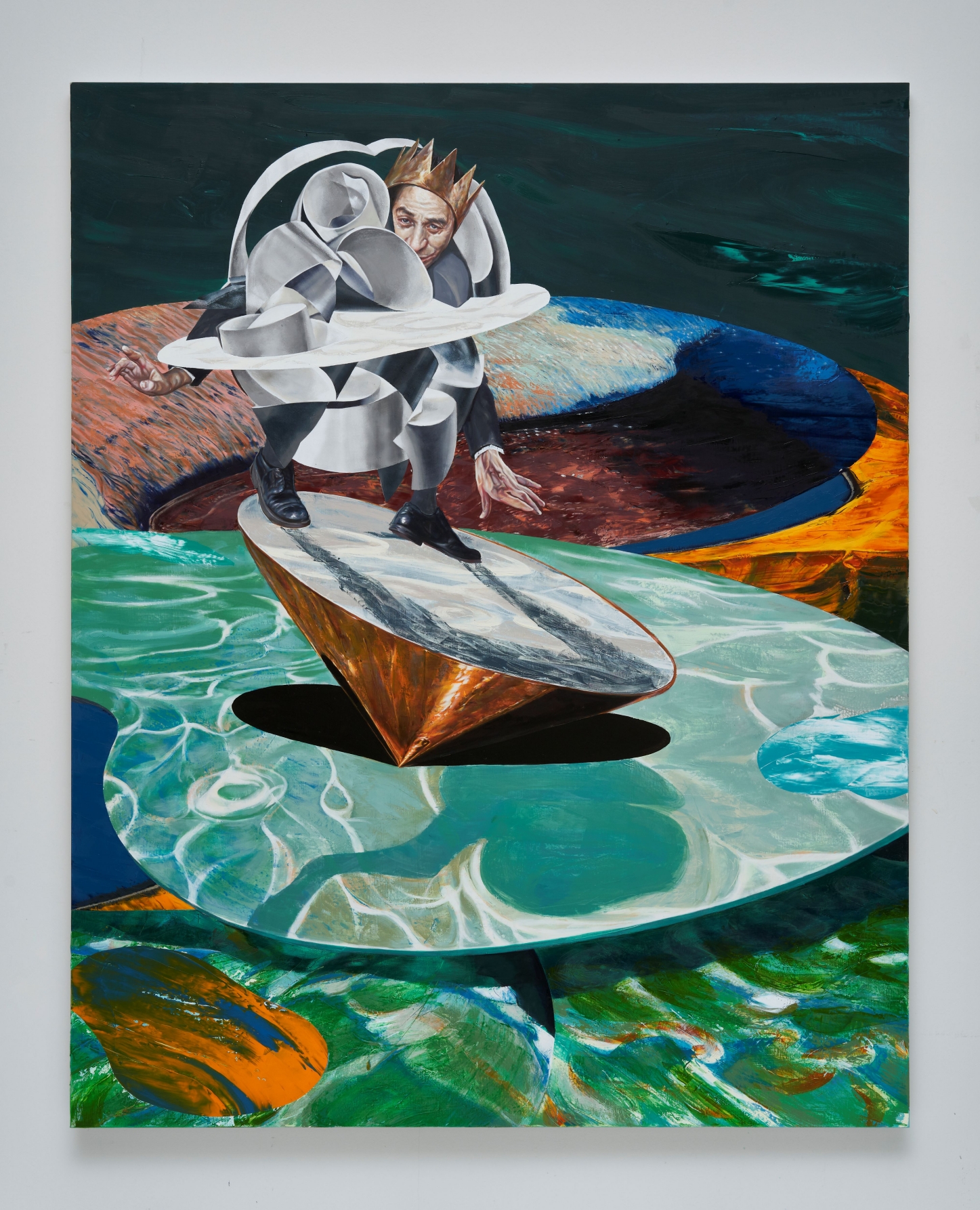
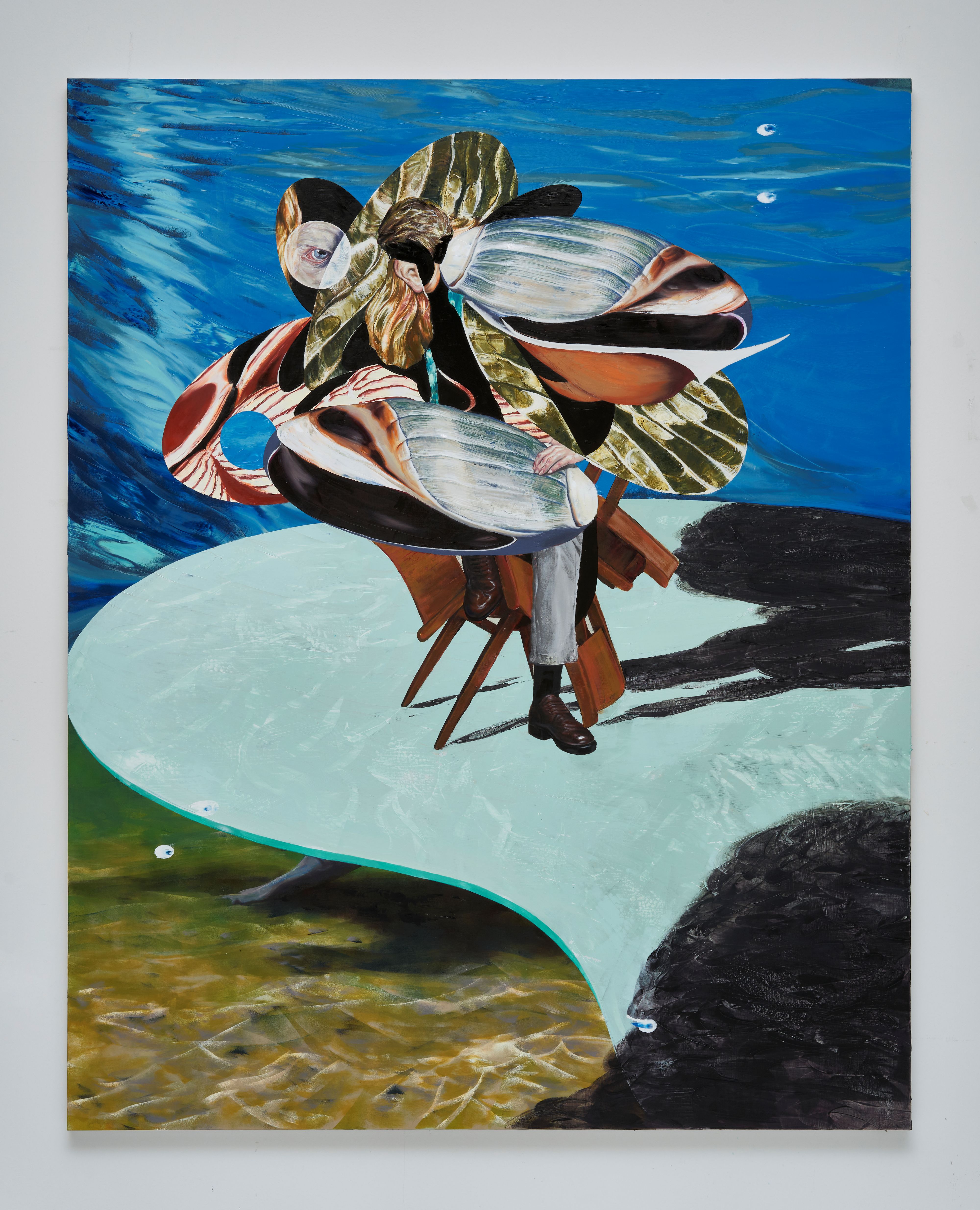
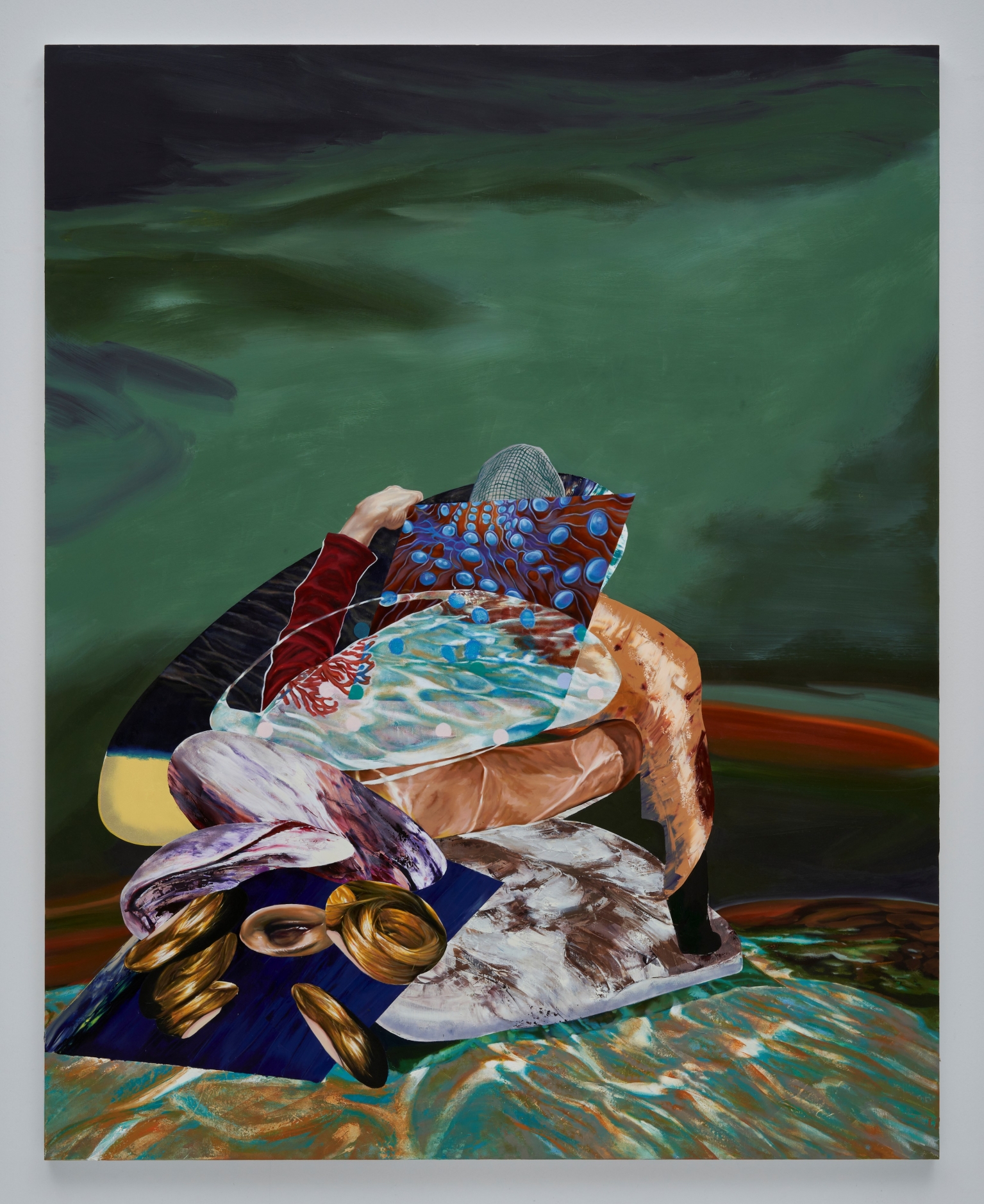
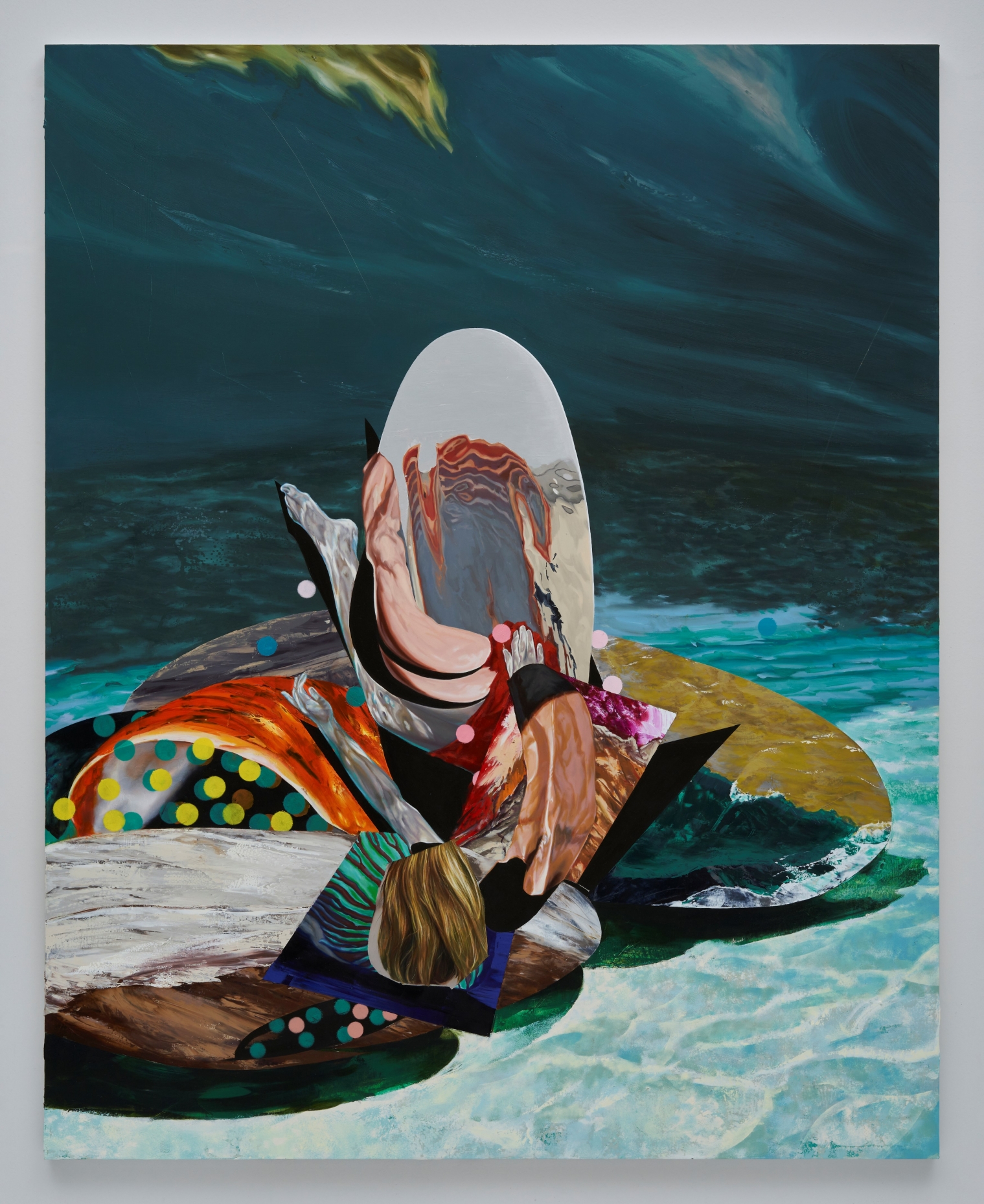
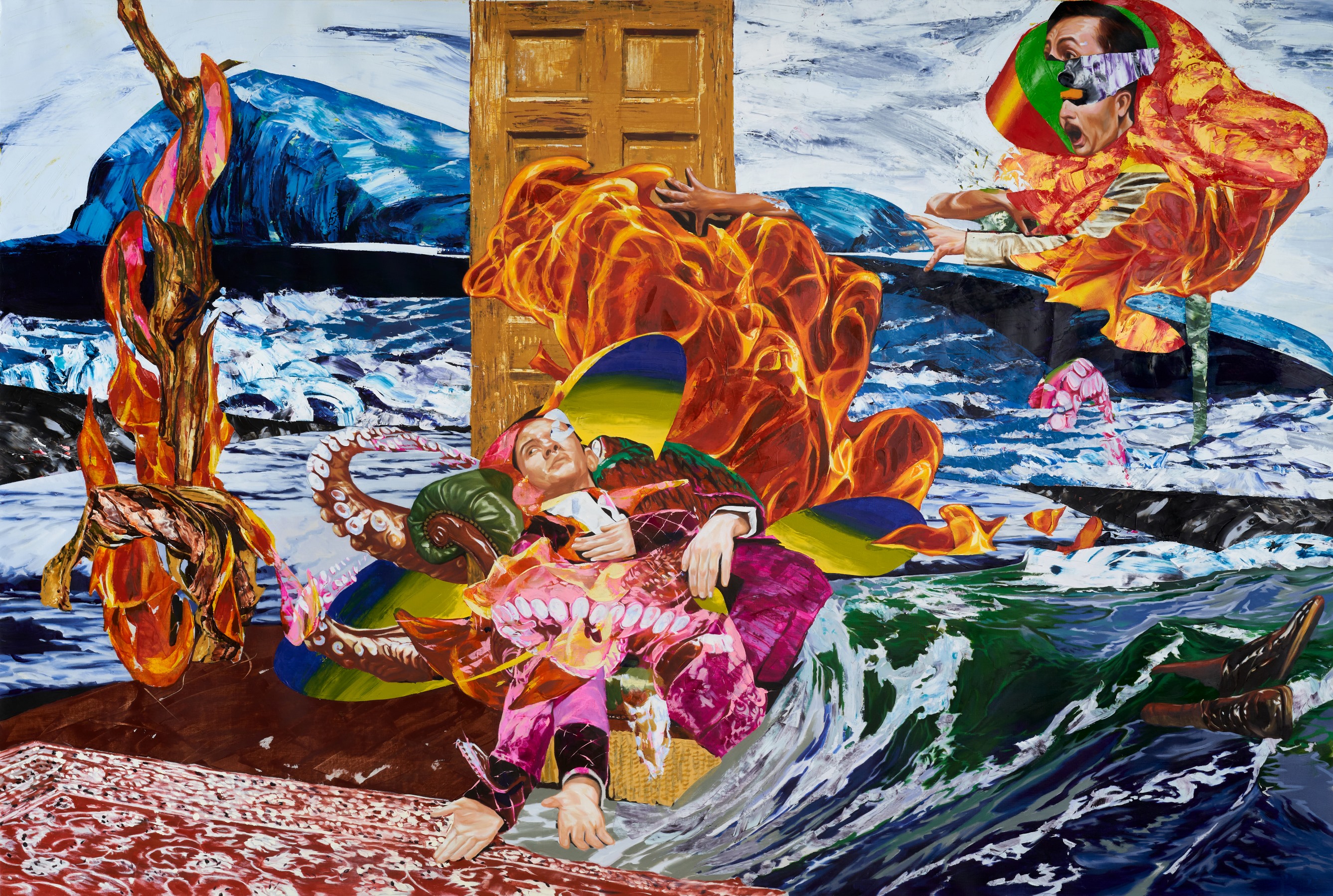
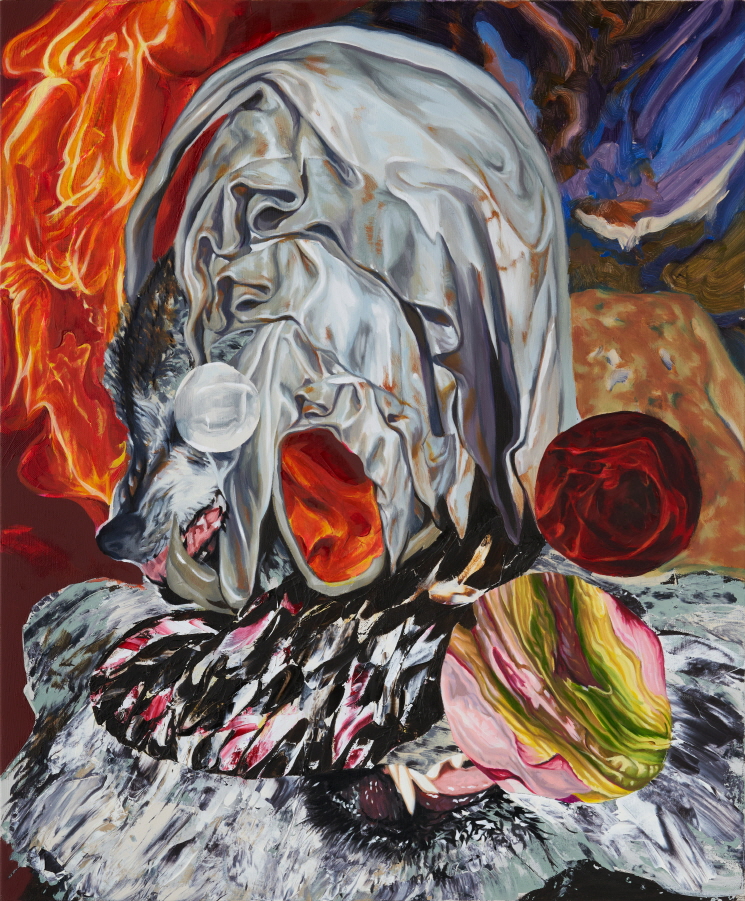
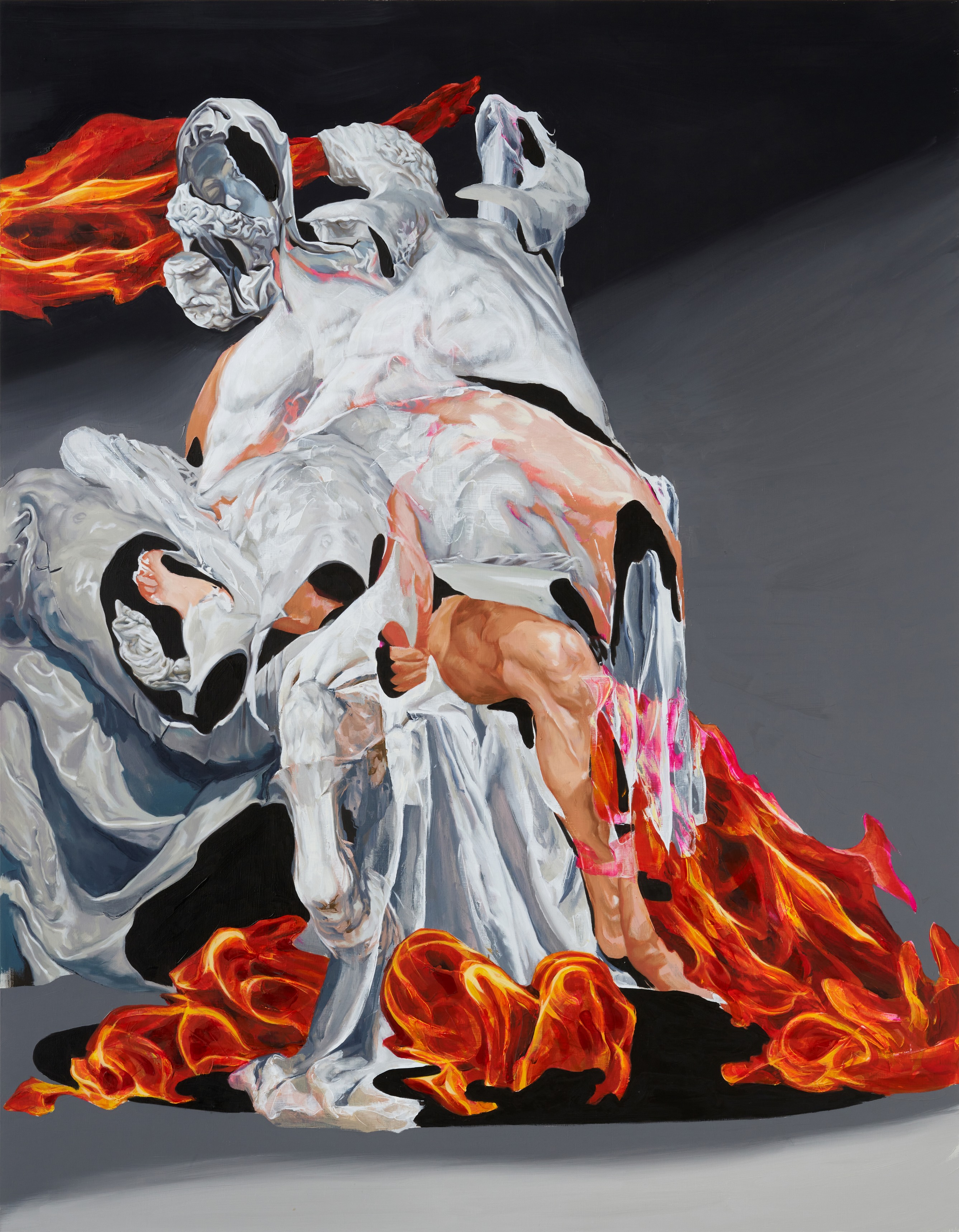
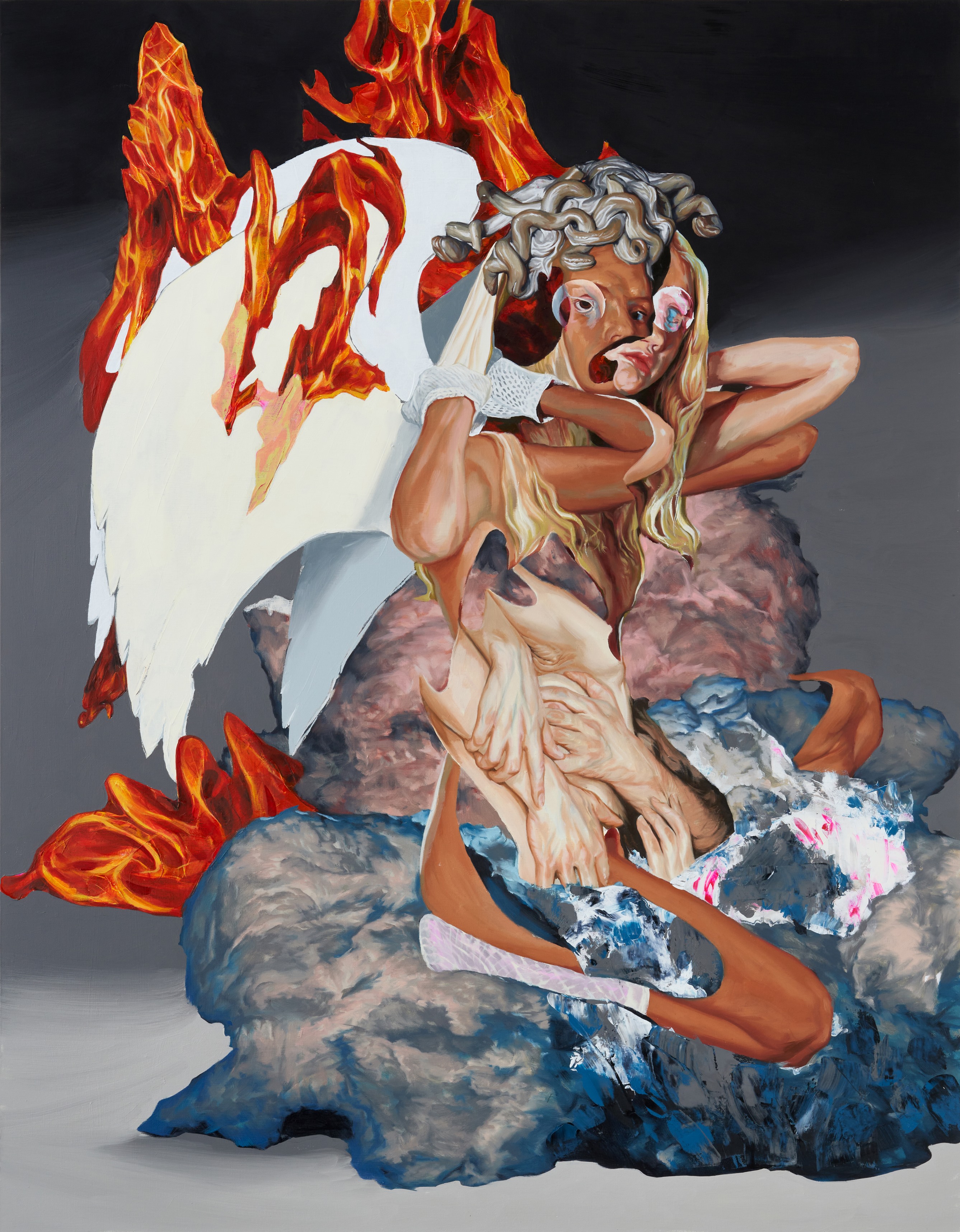
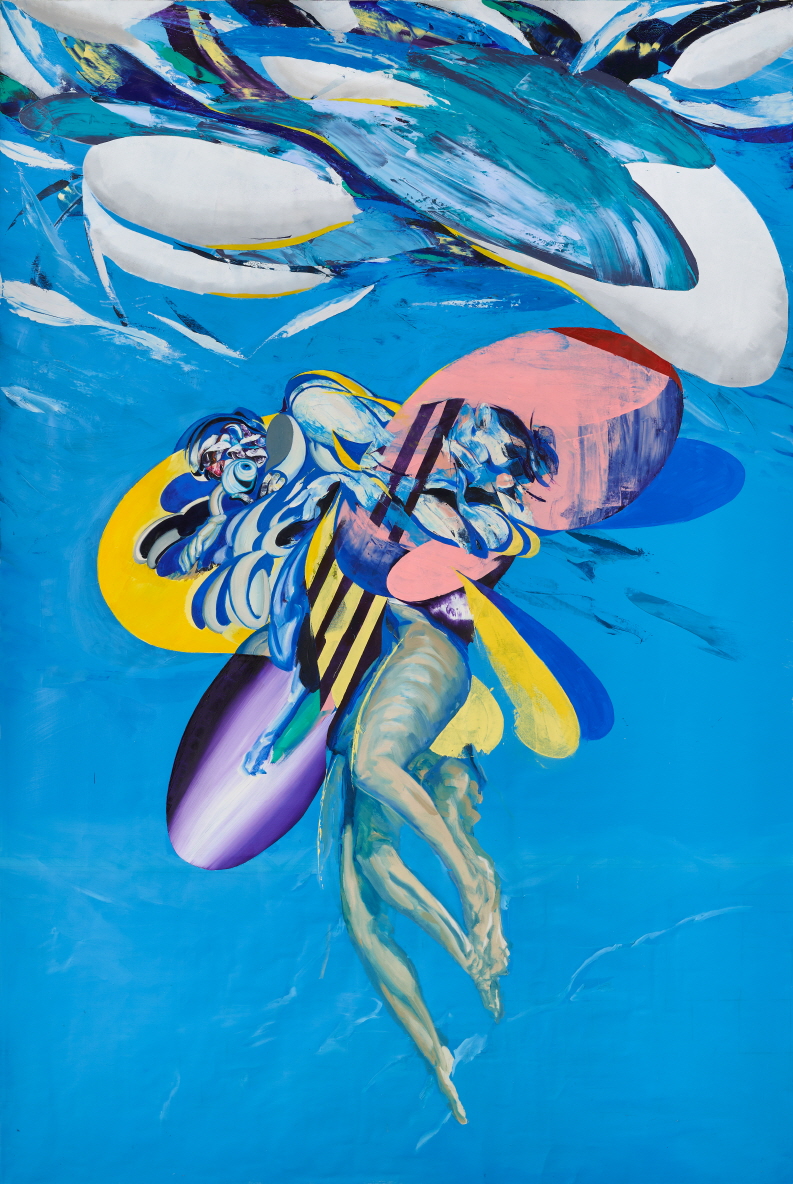
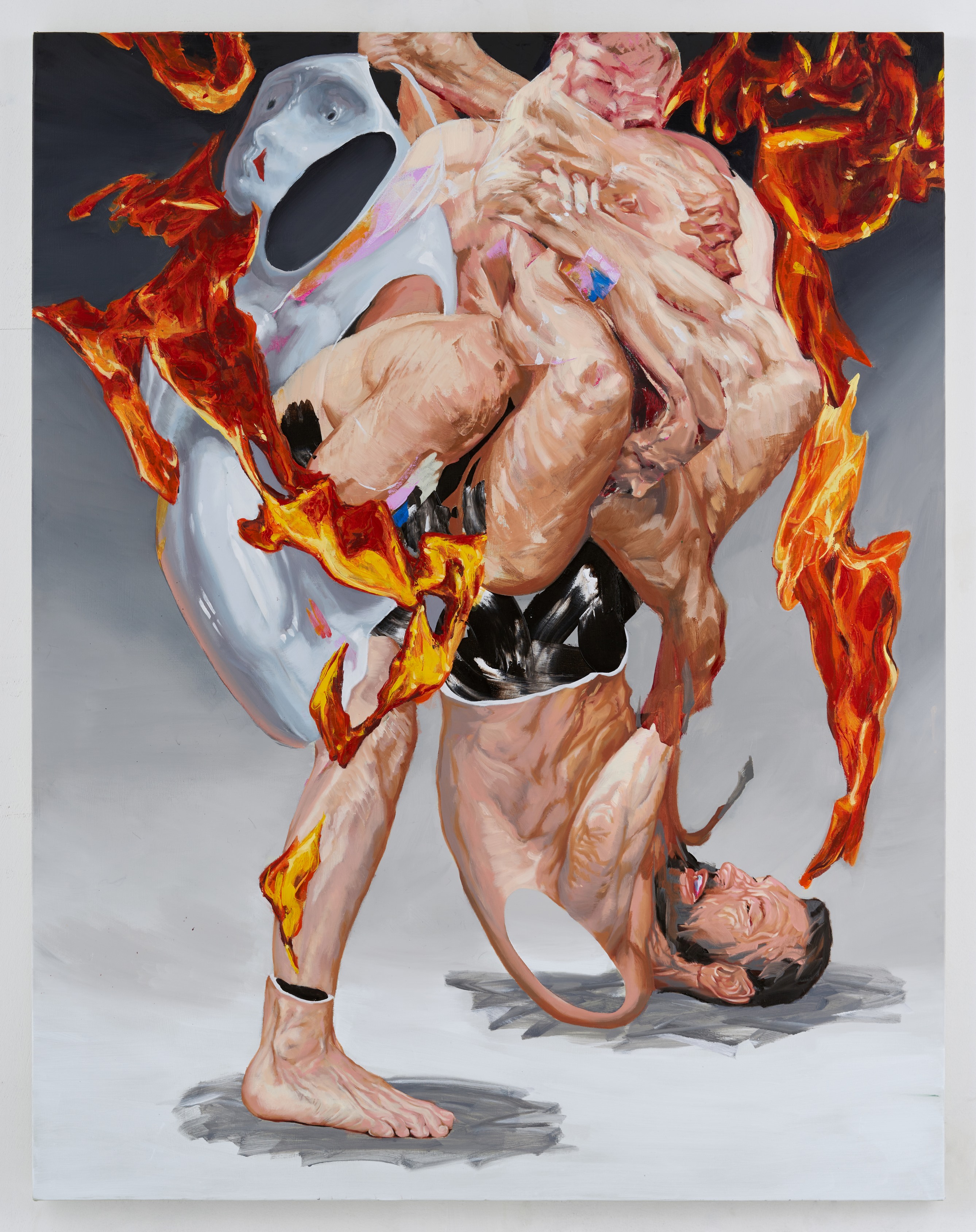
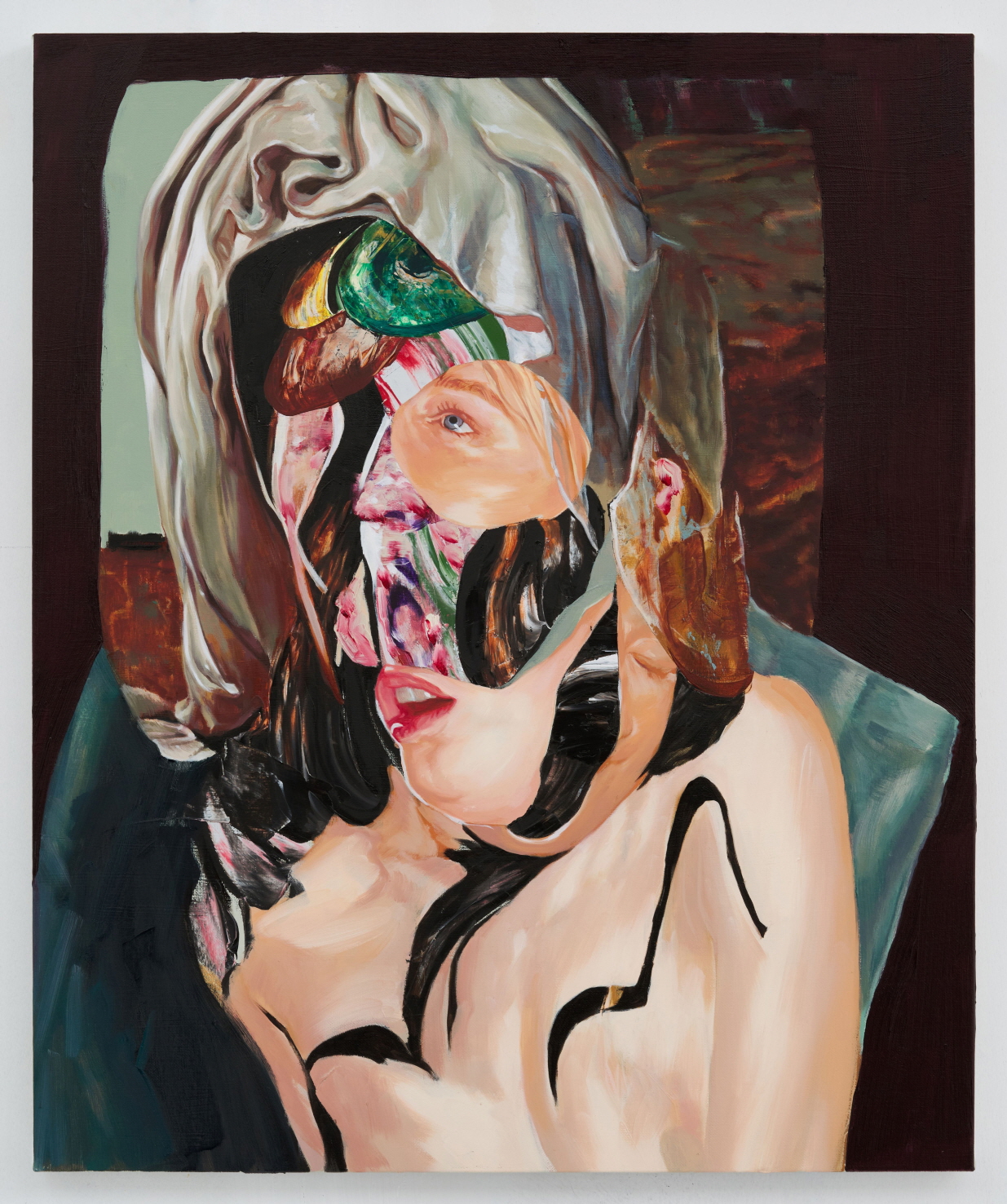
On the canvas, the precariously stacked tower of chairs represents both the countless stages upon which an actor has had to stand throughout a lifetime and the history of the roles they have assumed and cast aside. Perched upon this unstable structure, which might collapse at any moment, the figure endlessly transforms, absorbing the colors and forms of its surroundings like a chameleon.
Within my world of ‘Park’s Land,’ chameleonic transformation is not merely a form of camouflage for survival. Rather, it is an intense process of ‘becoming’—a continual movement toward new modes of existence through the rejection of a fixed self and the assumption of another’s skin.
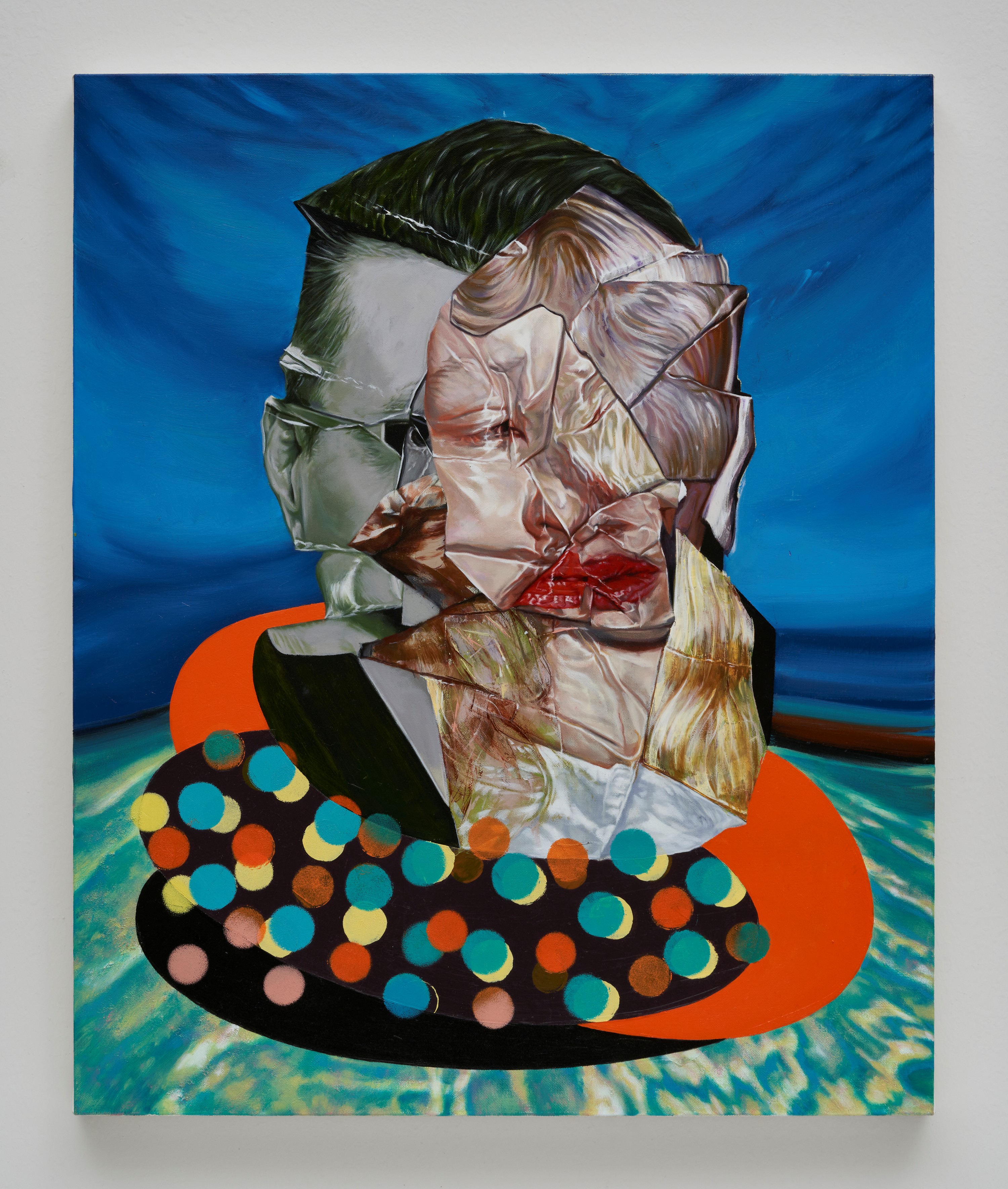
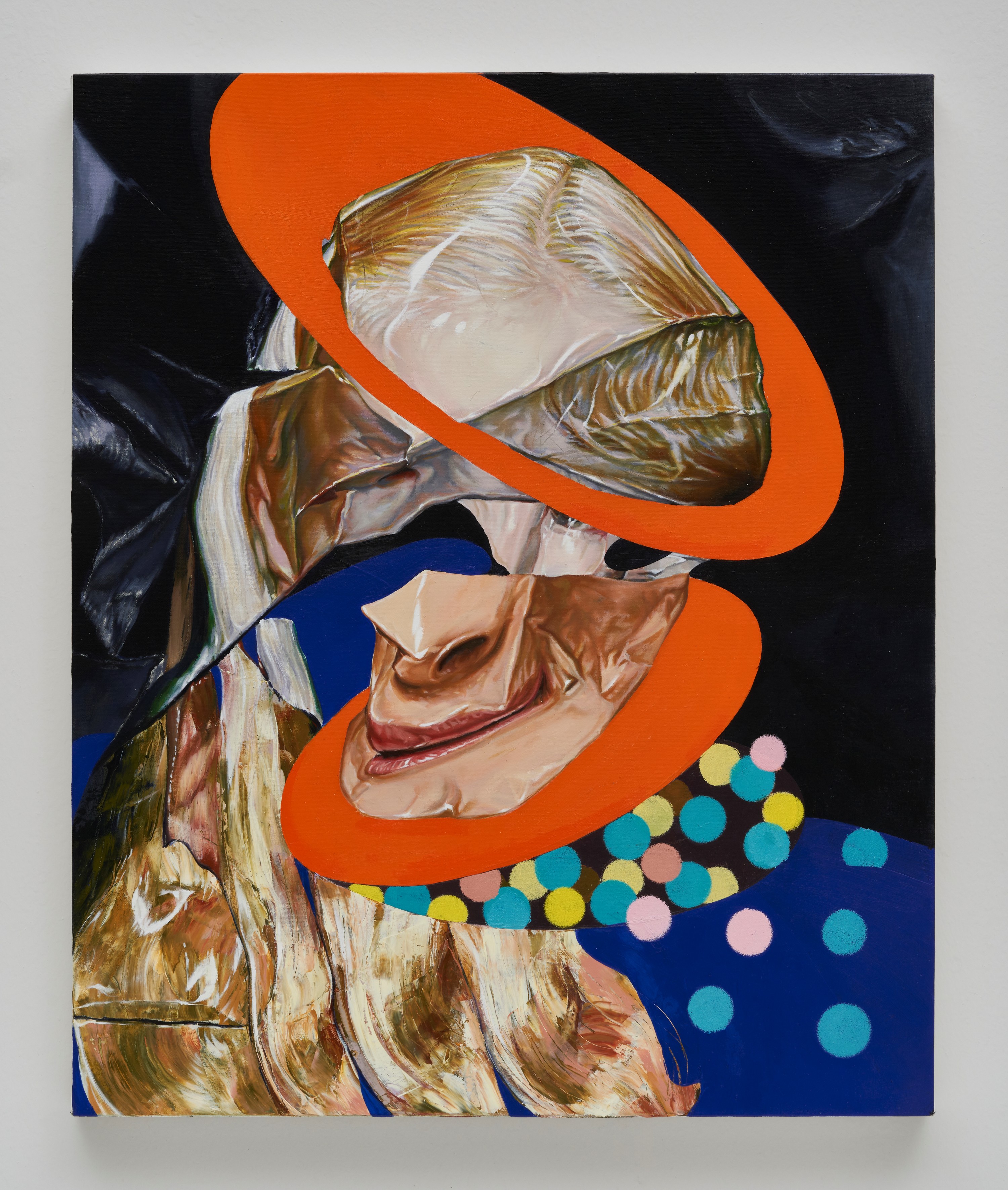
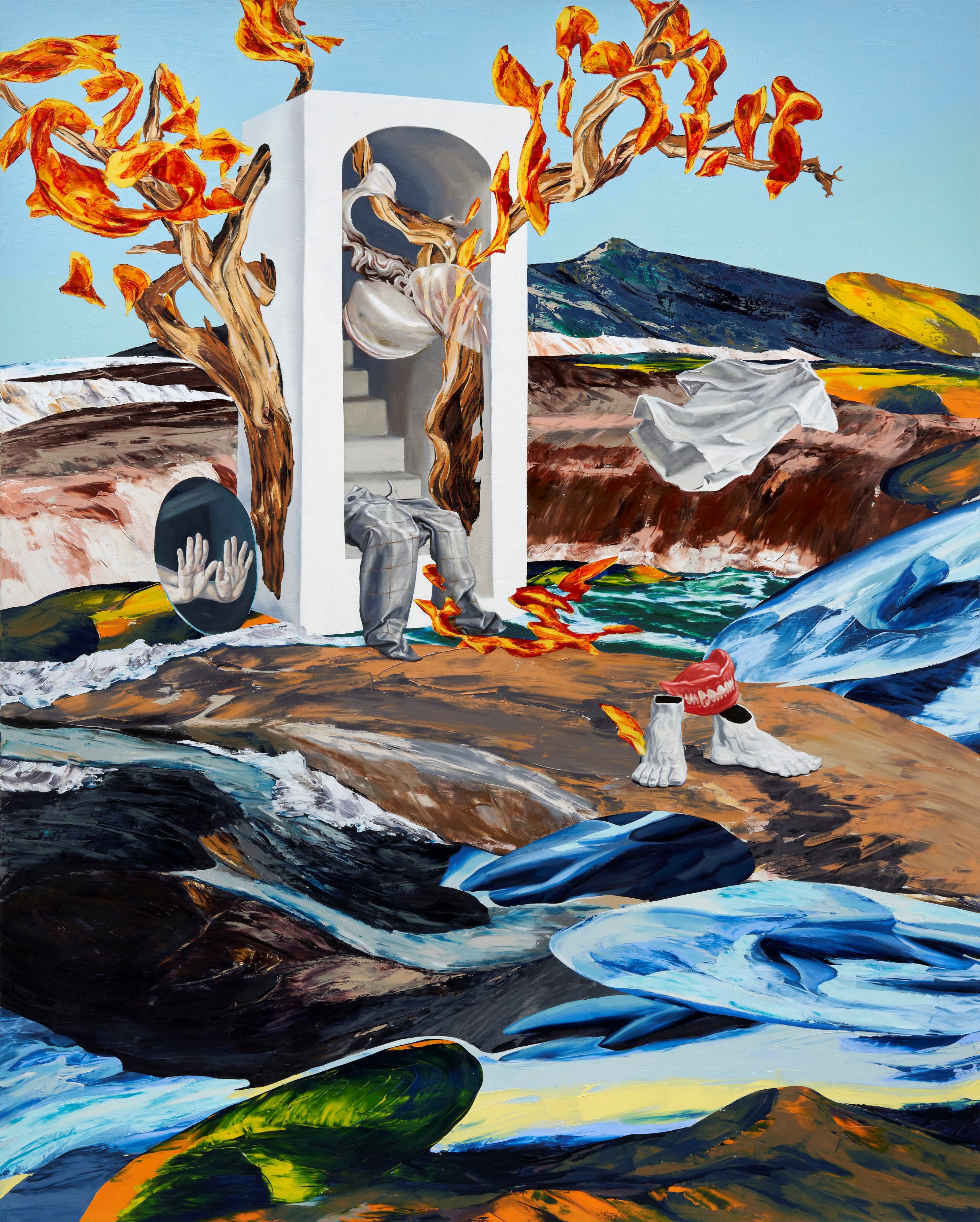
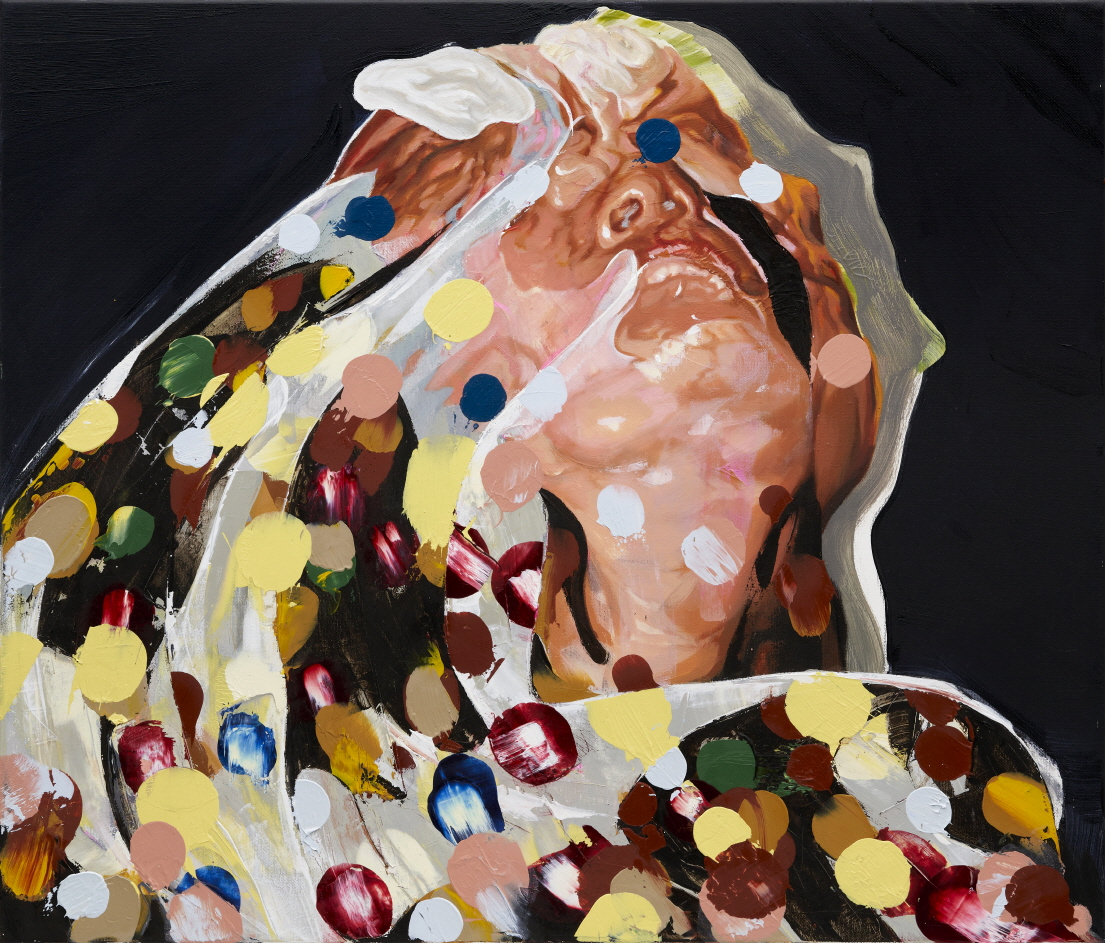
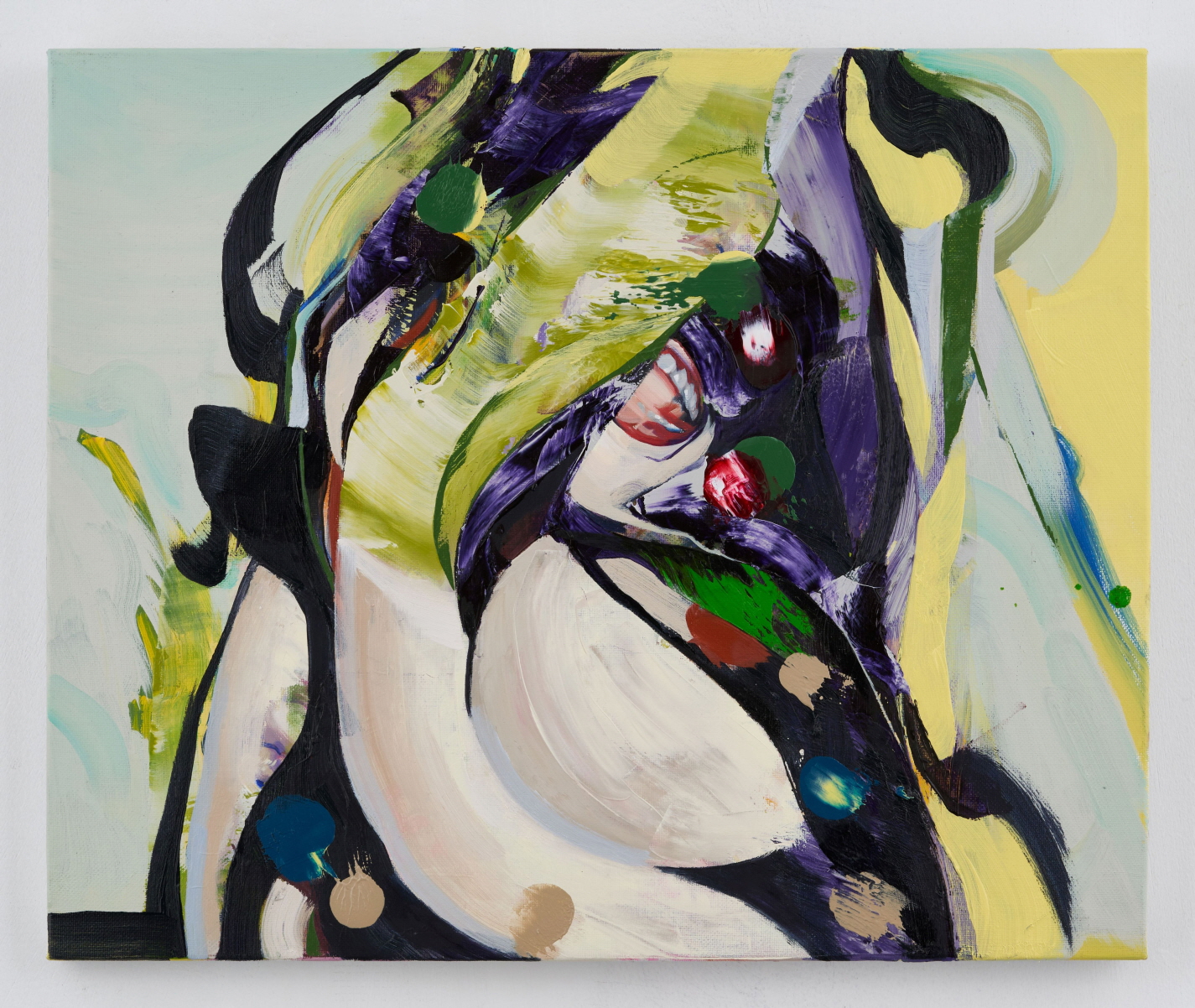
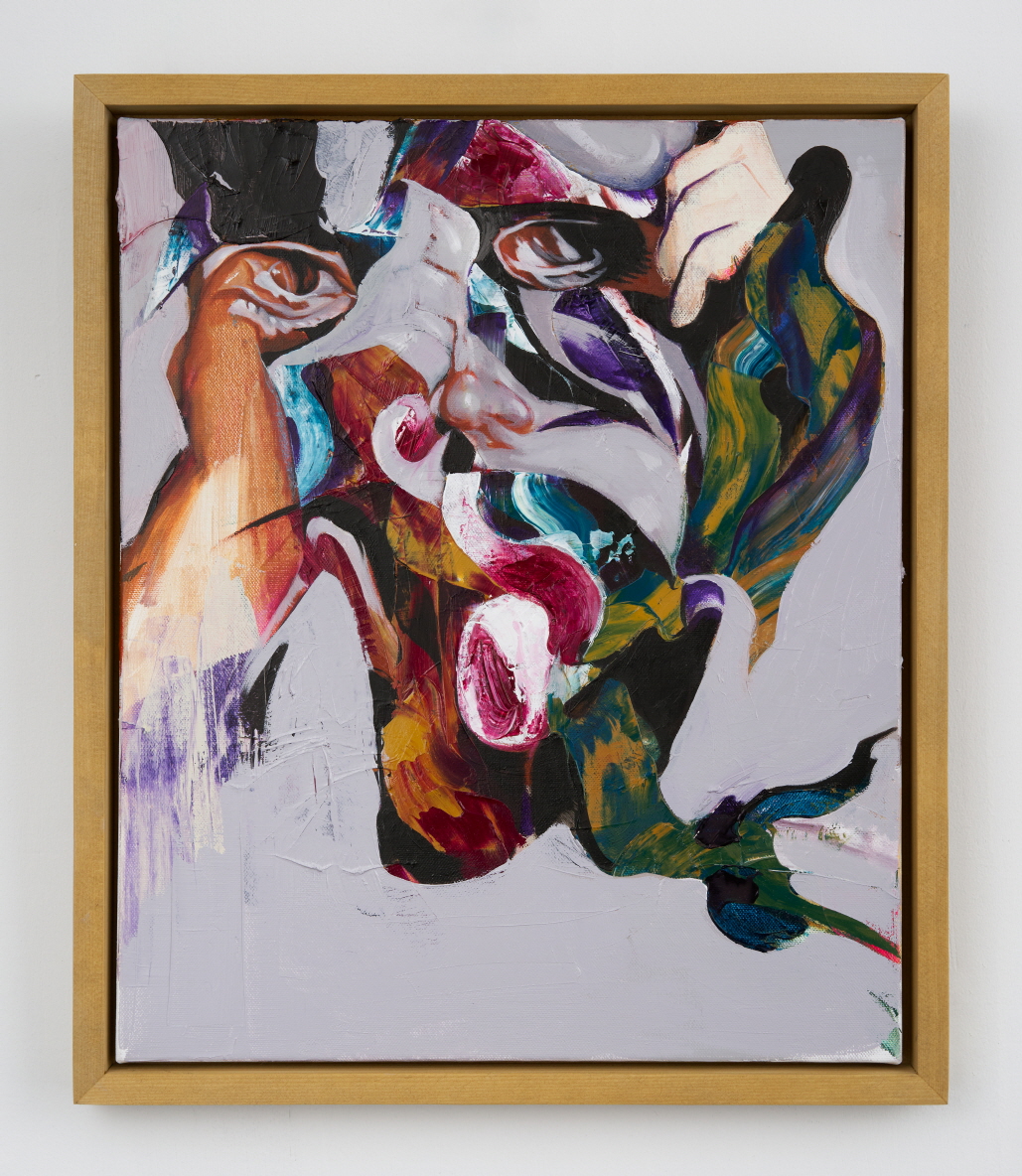
The unfamiliar fissures that emerge across the surface, produced by scraping and pushing with tools rather than by using a brush, are the ruptures generated at the moment of transformation.
At the same time, they articulate the ontology of the ‘actor’: a being destined to live with instability itself as an inescapable condition.
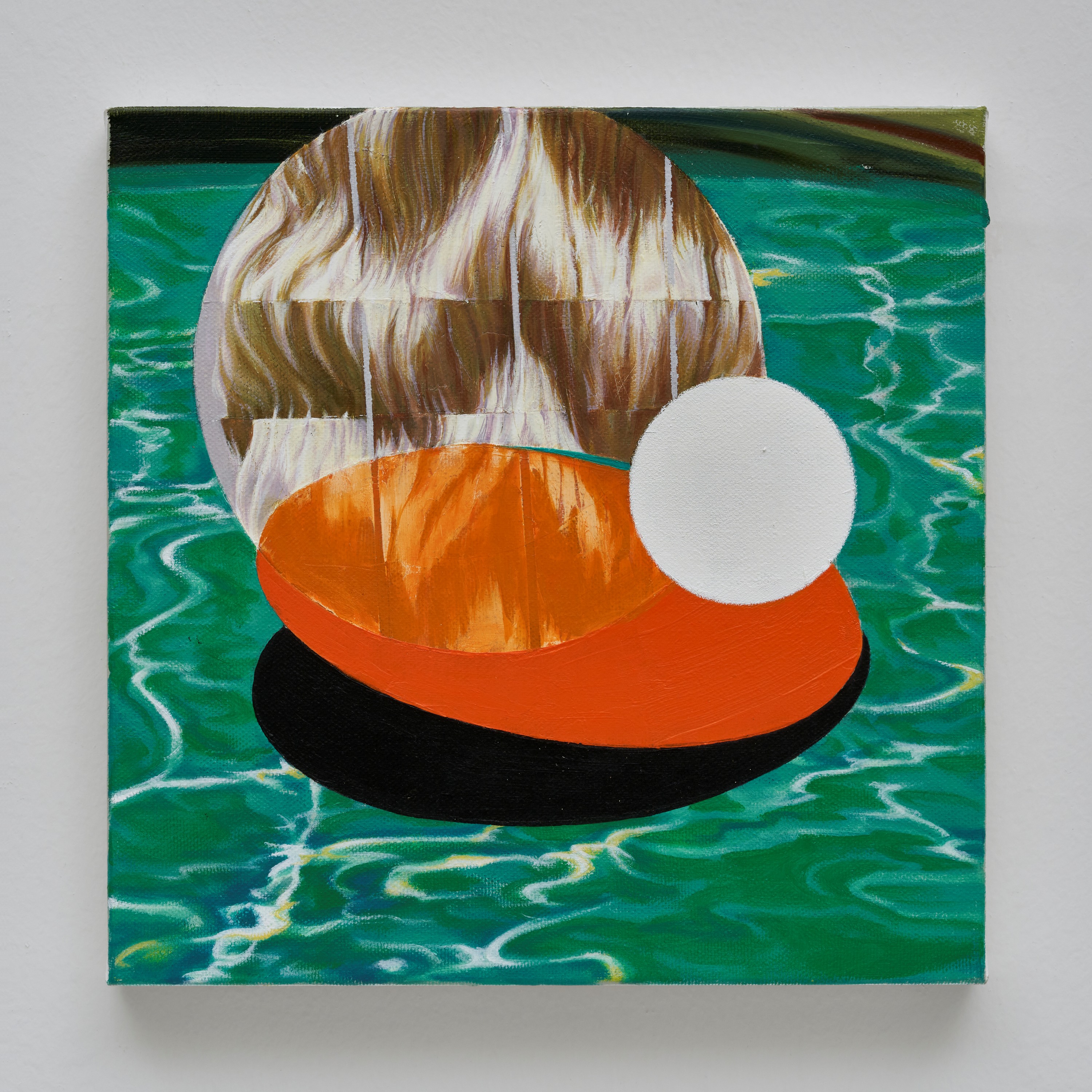
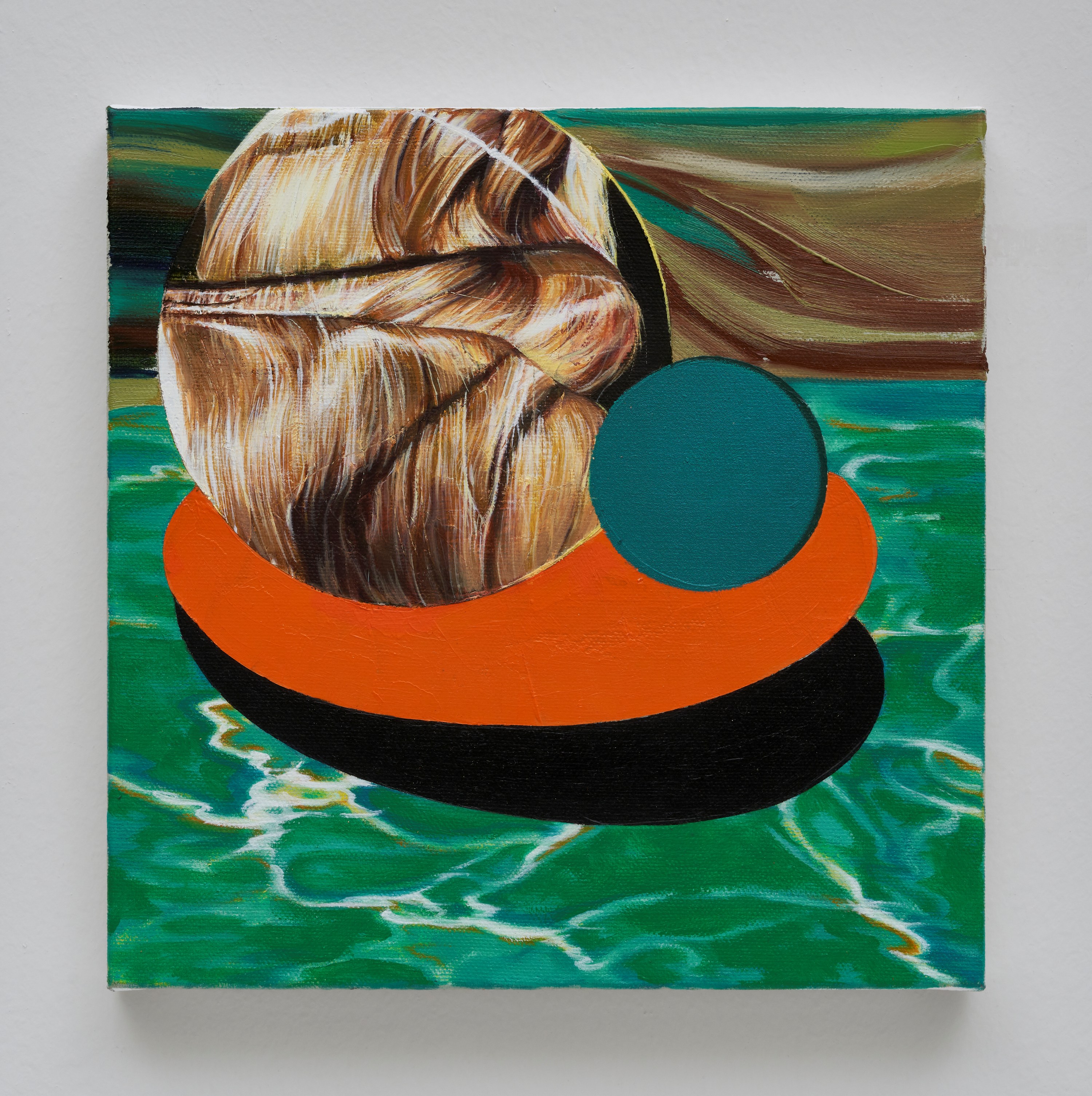
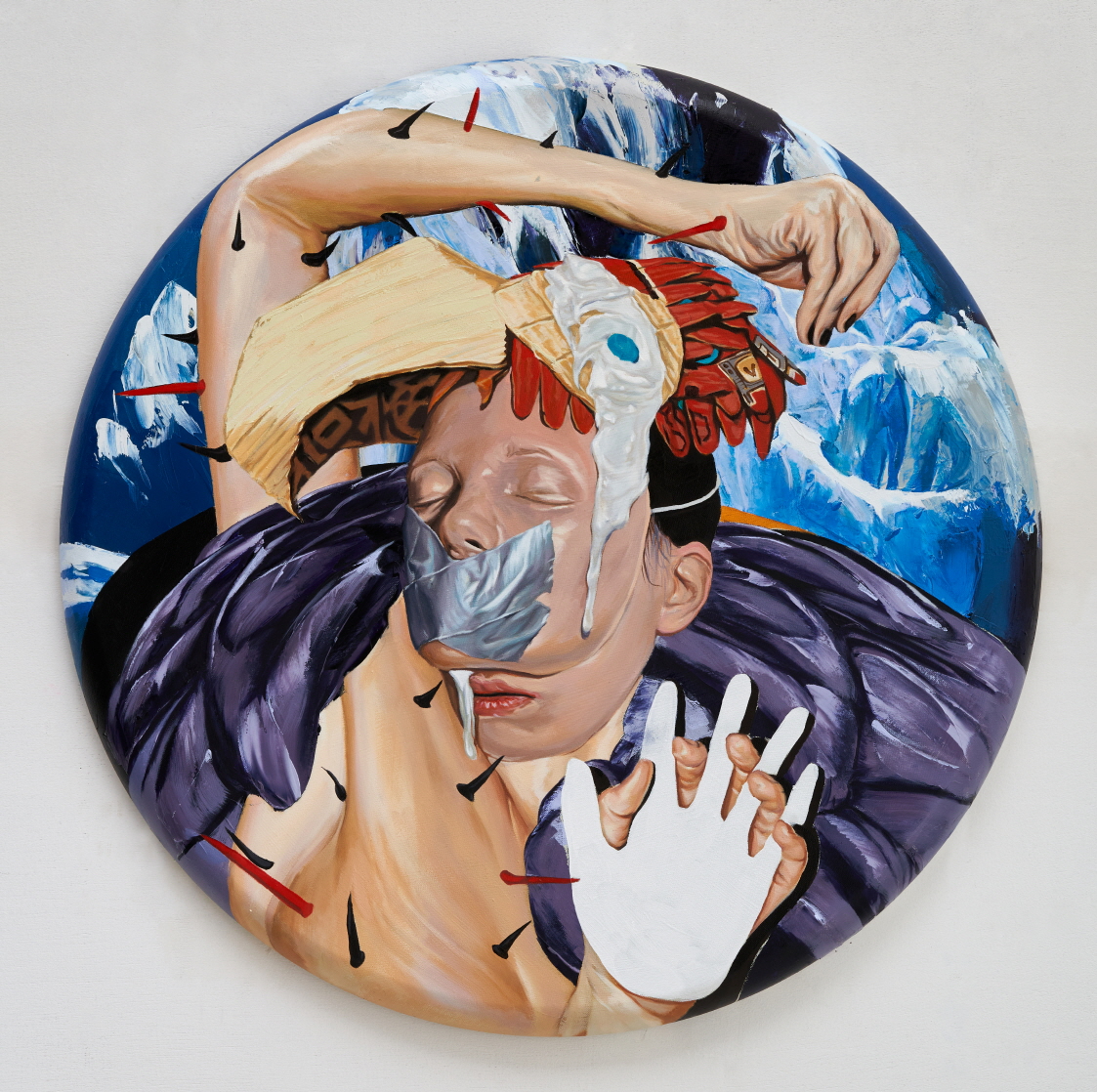
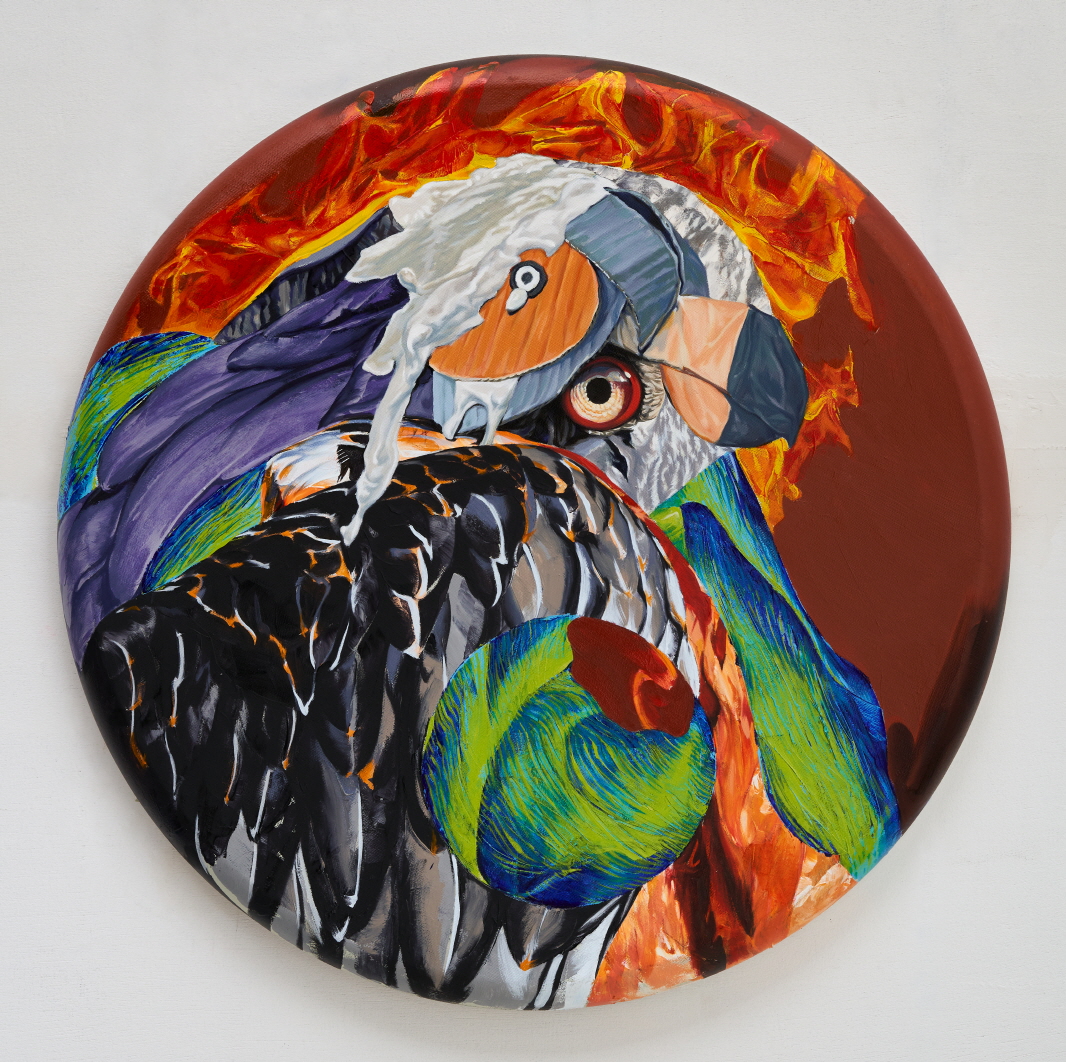
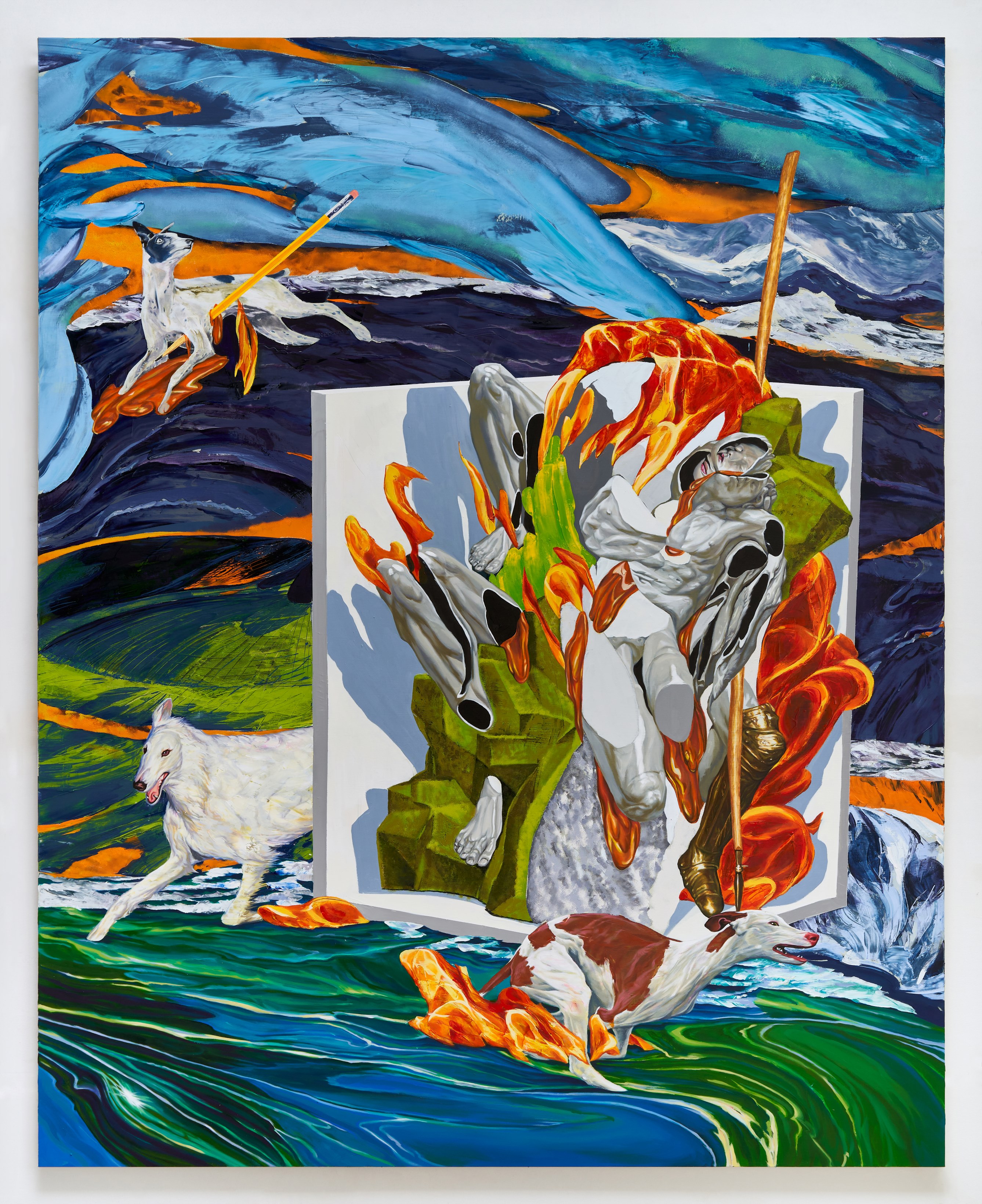
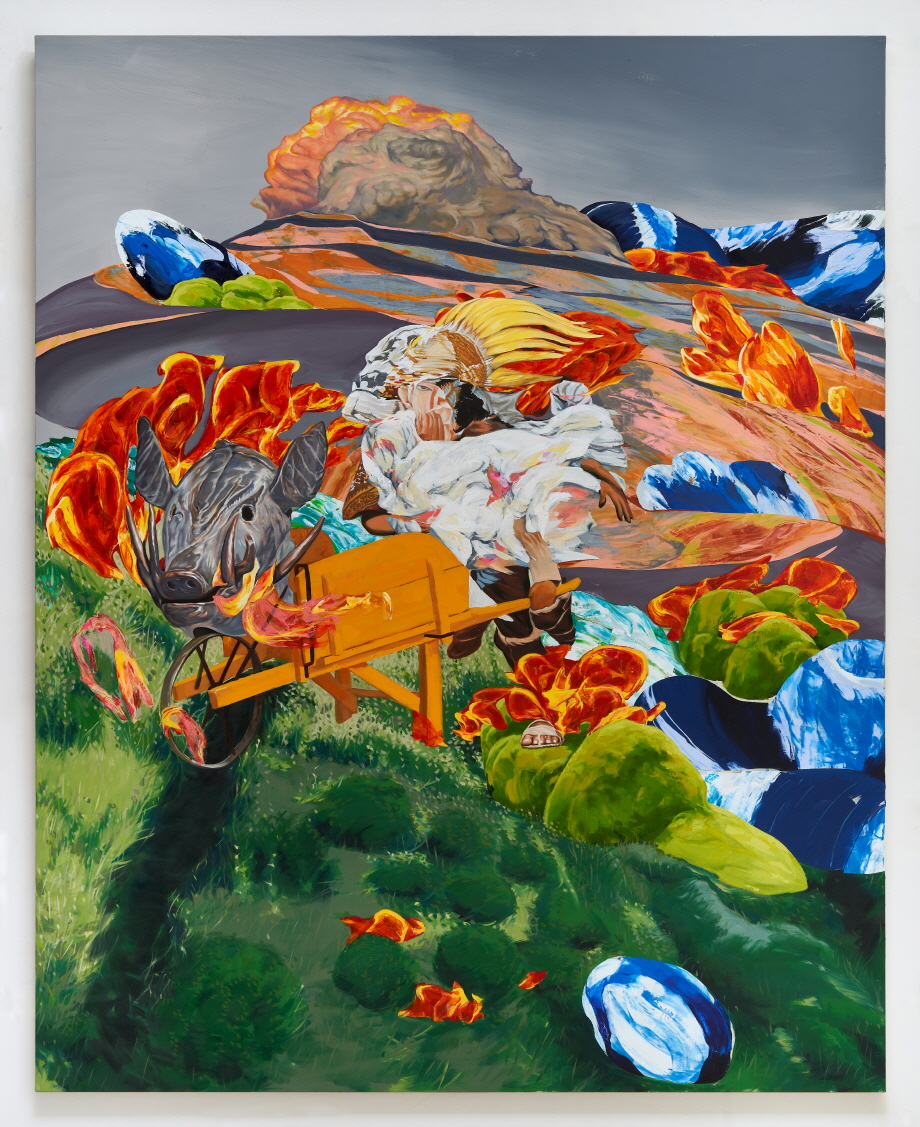
Park Jung Hyuk’s third painting series, ‘Park’s Land’, unfolds around the idea of “transformation.” When beginning this body of work, the artist was interested in exploring a sense of possibility, and transformation became the theme through which that notion could be articulated. Here, transformation does not refer to a simple shift from A to B, as in familiar mythic or cinematic narratives.
Instead, it encompasses a broader spectrum of states—what something could become, how roles shift according to circumstance, and the latent conditions inherent within a subject.
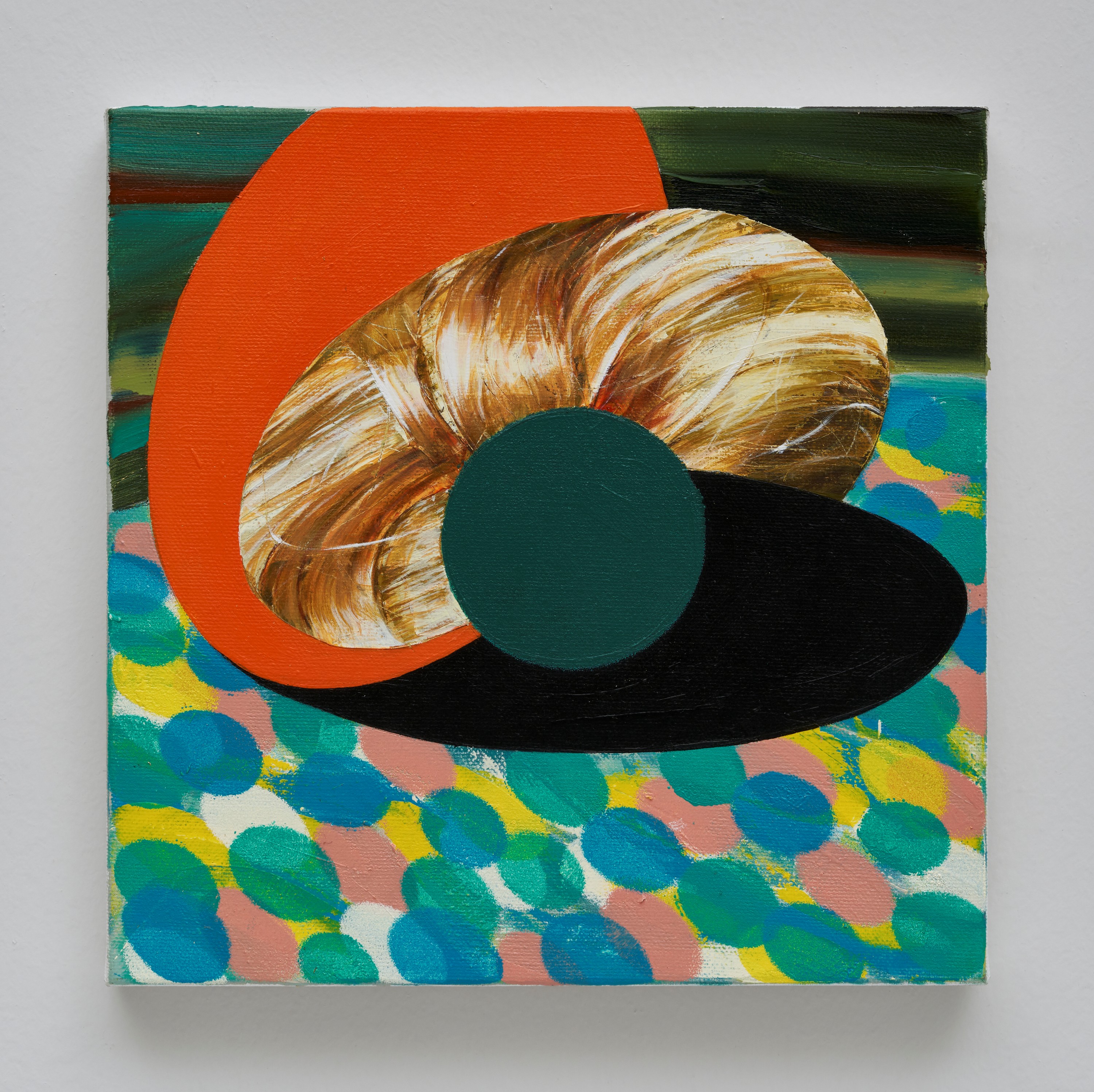
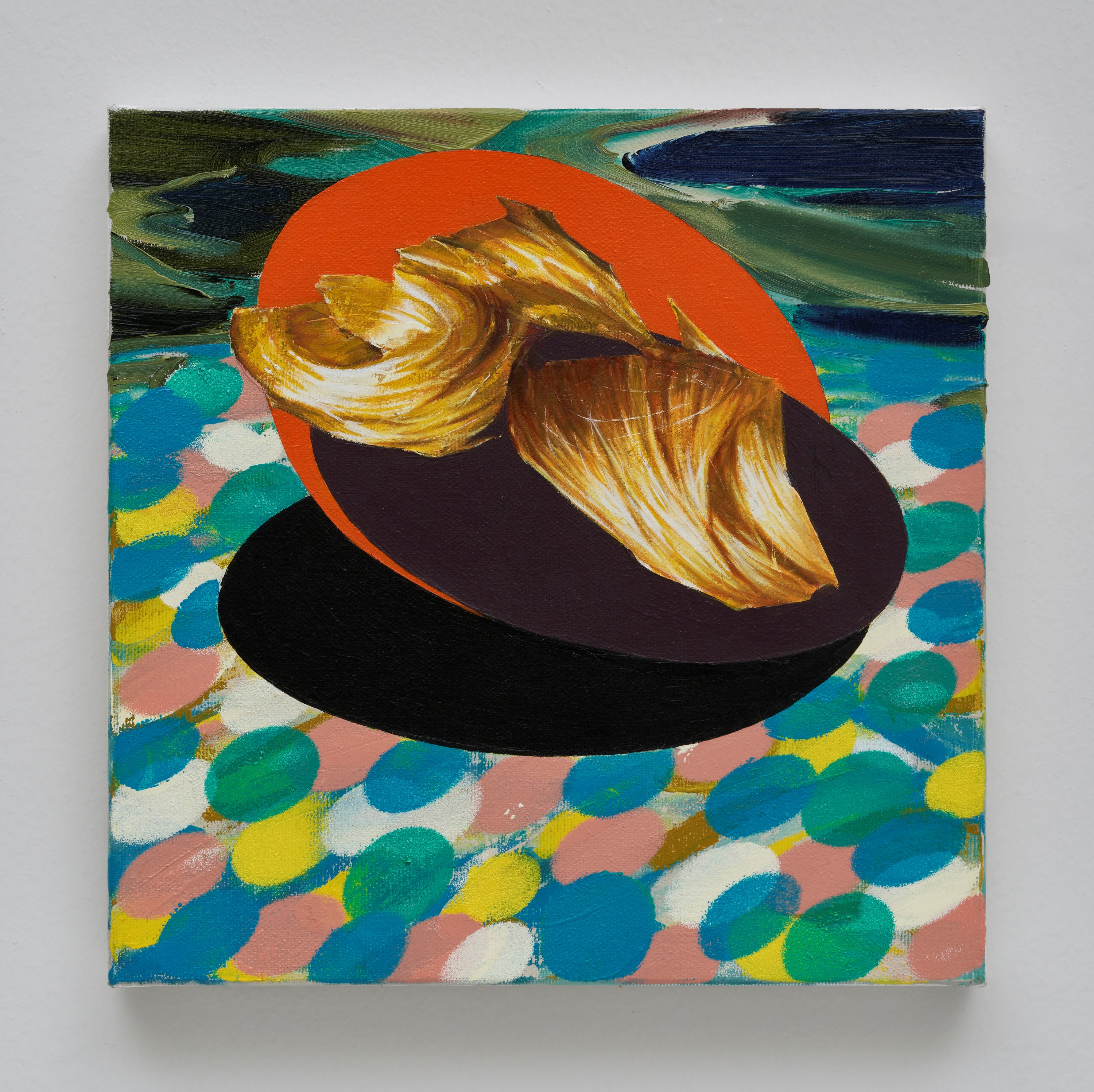
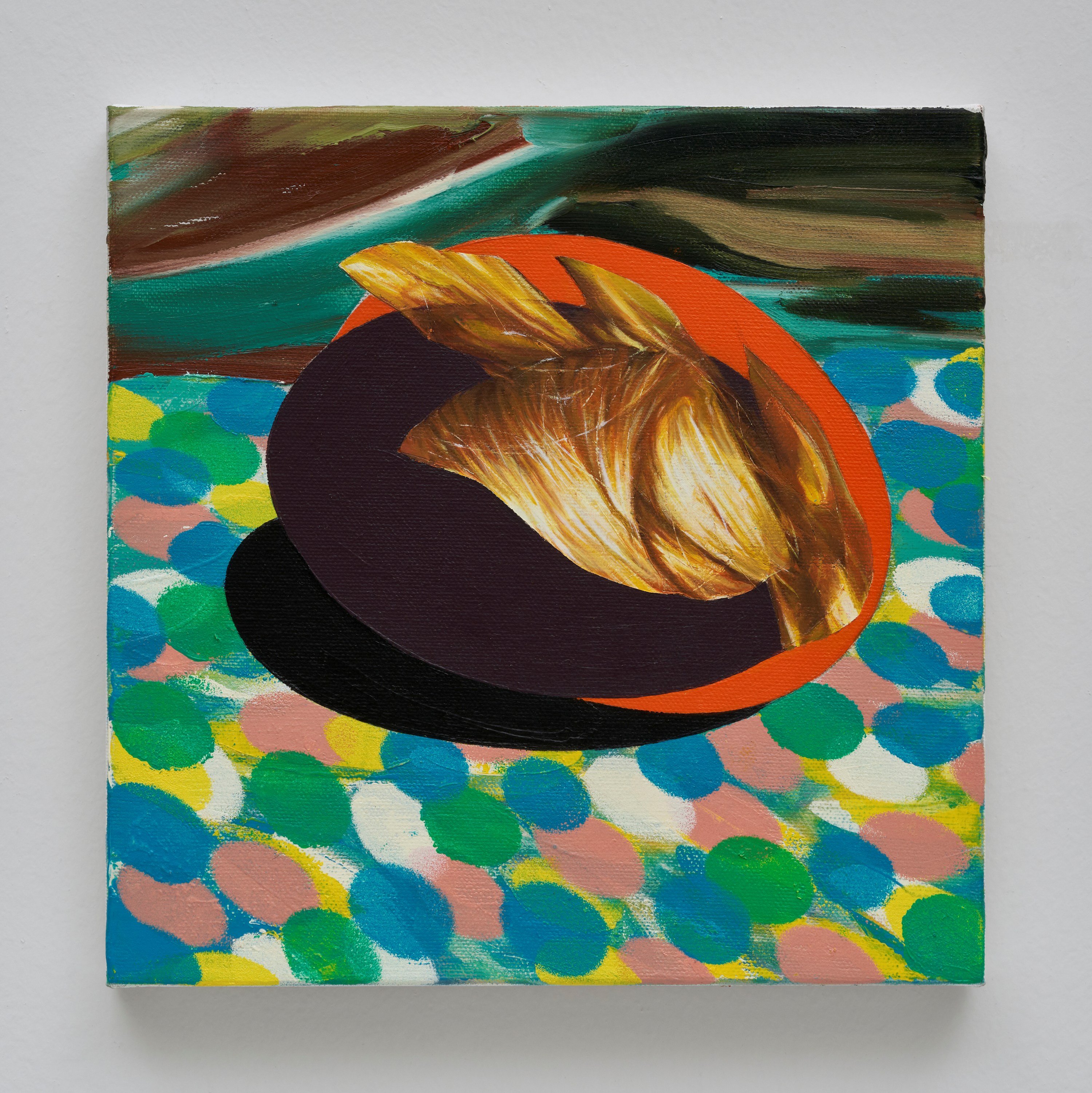
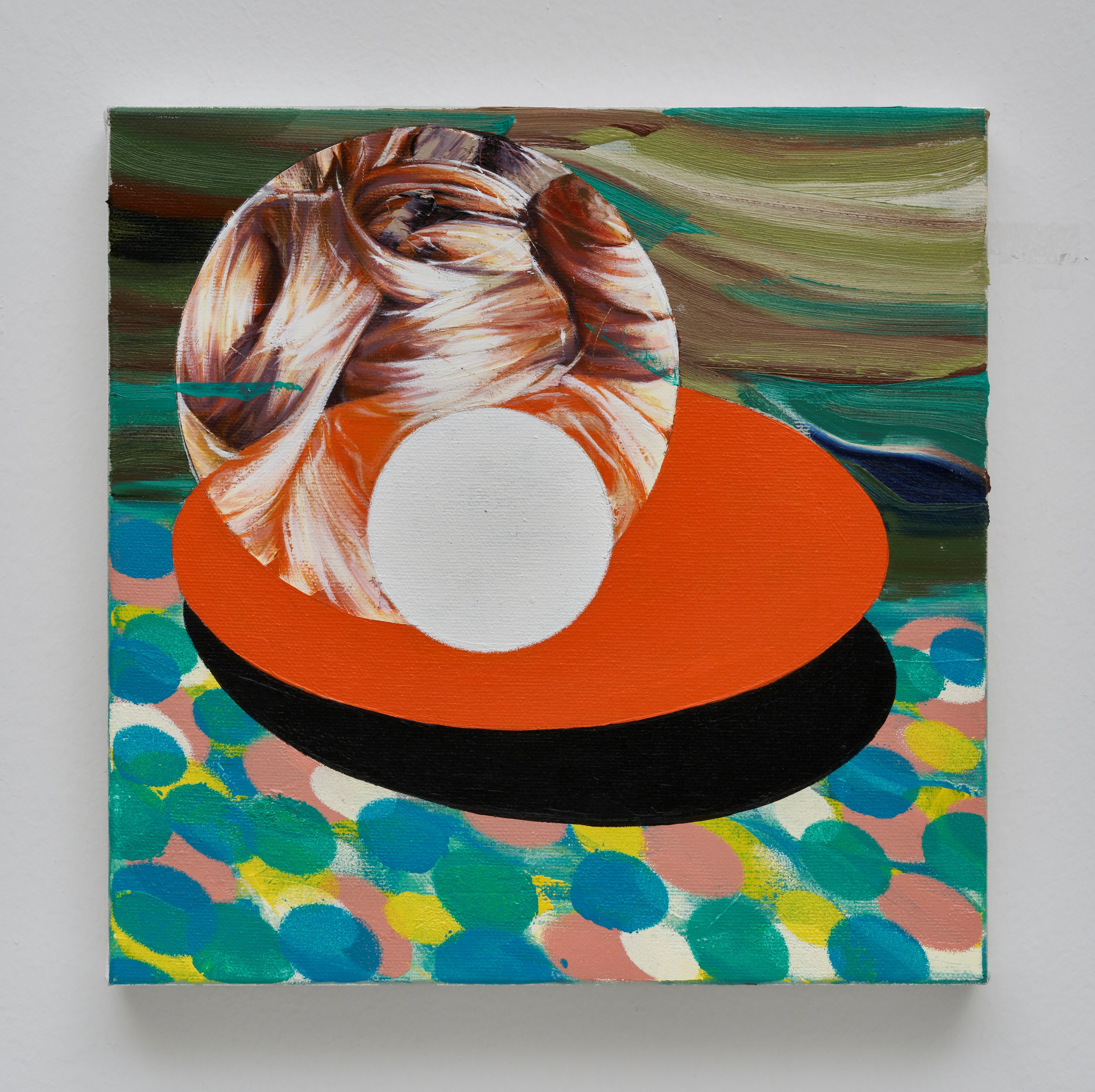
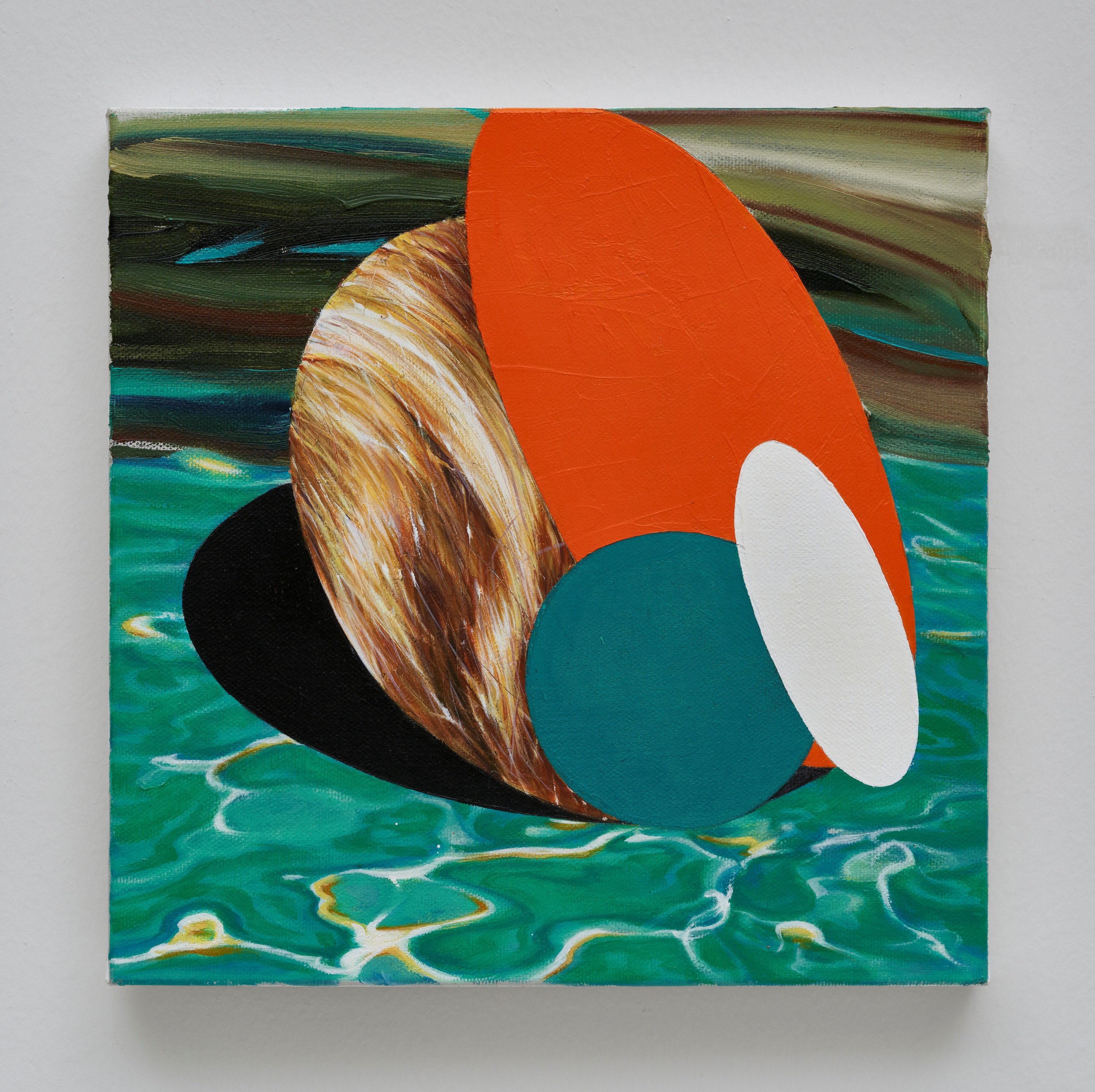
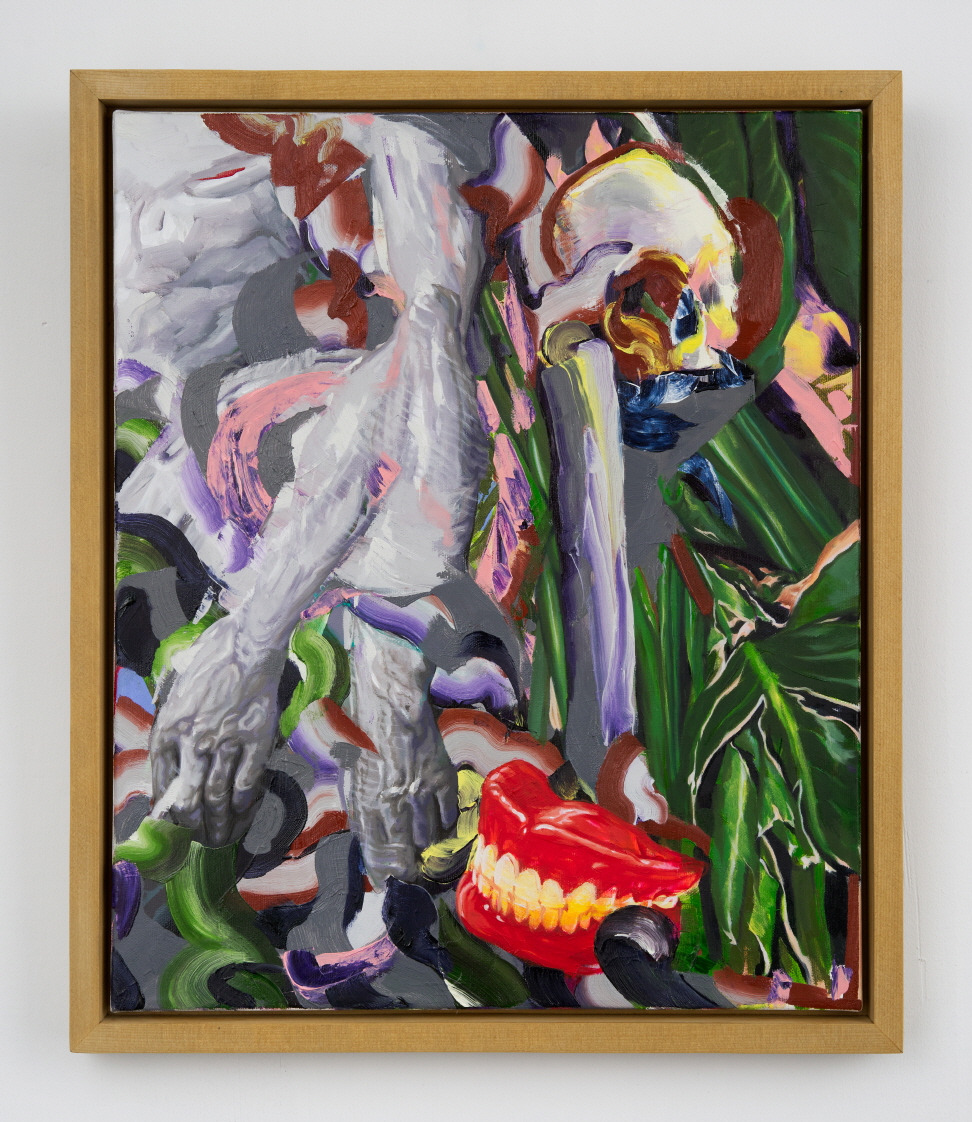
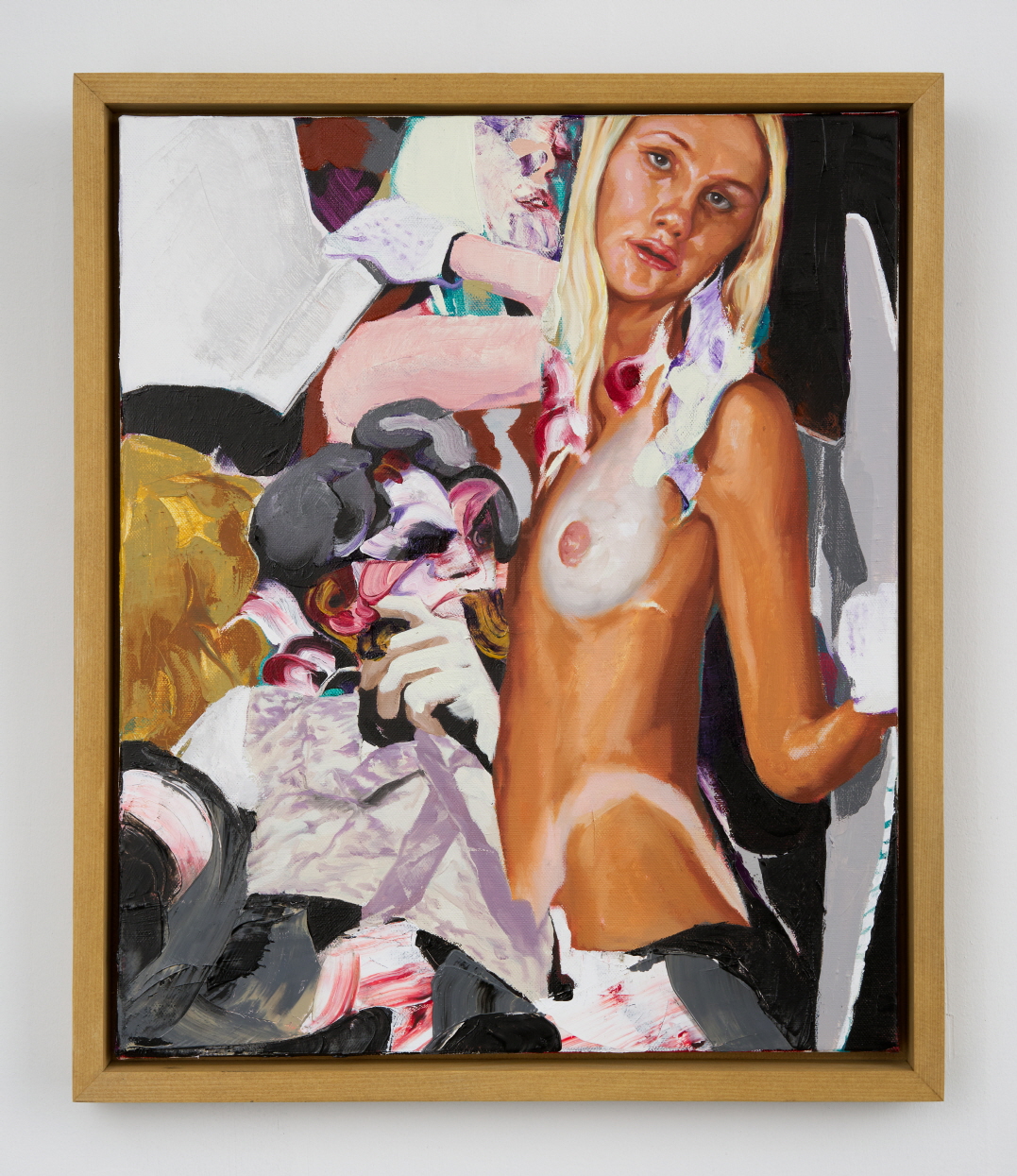
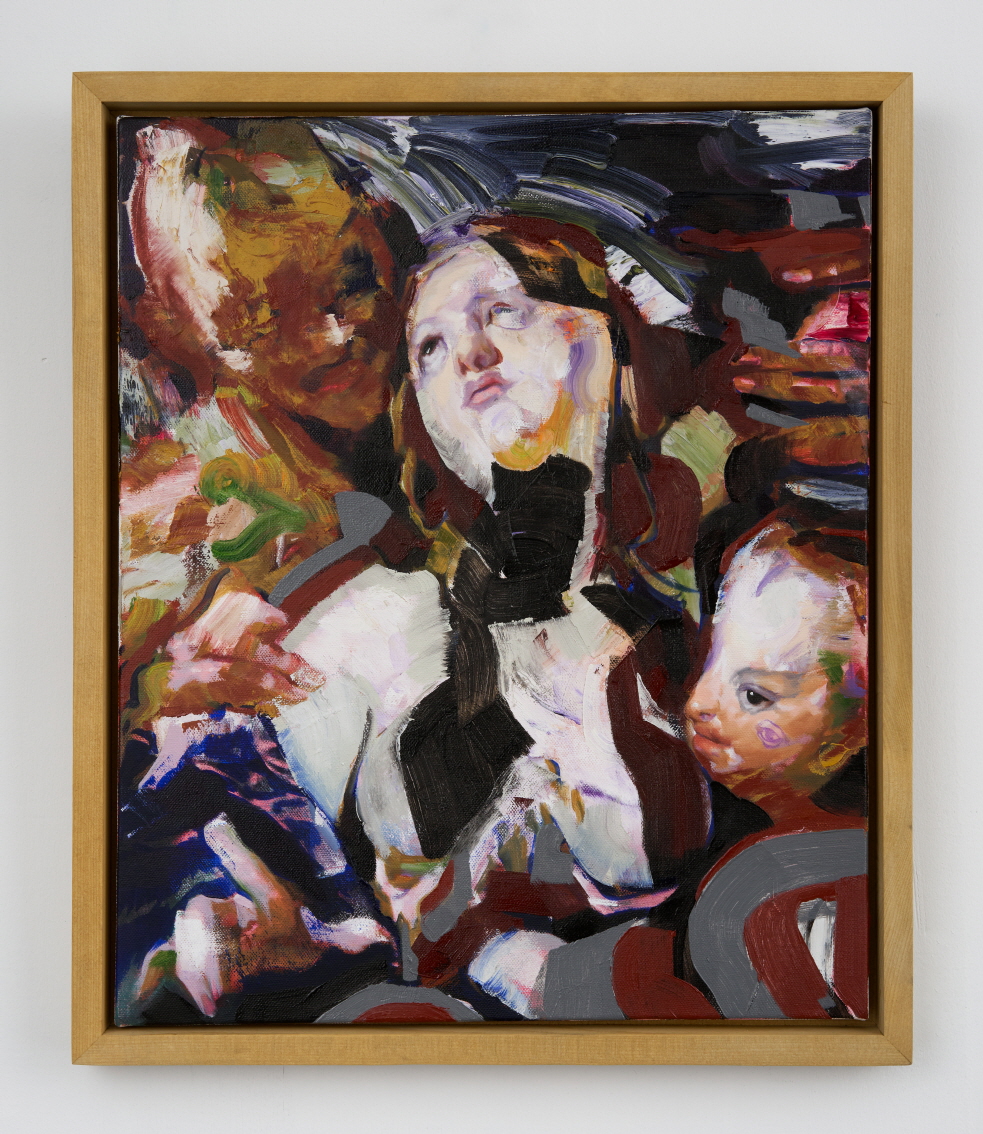
Figures and forms in the paintings appear structurally dismantled, blurred, or distorted through layered brushwork. These visual disruptions are less about depicting physical change and more about revealing multiple potential states at once.
Ultimately, ‘Park’s Land’ considers the conditions that allow transformation to occur rather than the moment of change itself. Through overlapping imagery and fluid gestures, the series presents a world defined not by what is changing, but by what can change—an expanded terrain for the artist’s ongoing exploration of painterly imagination.